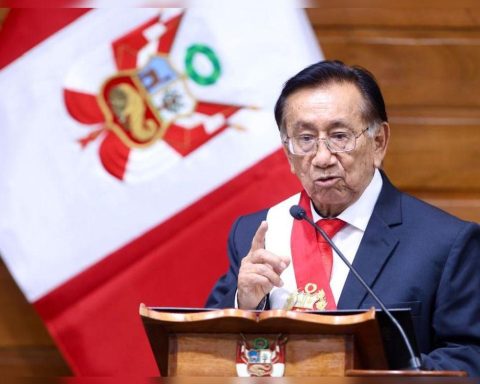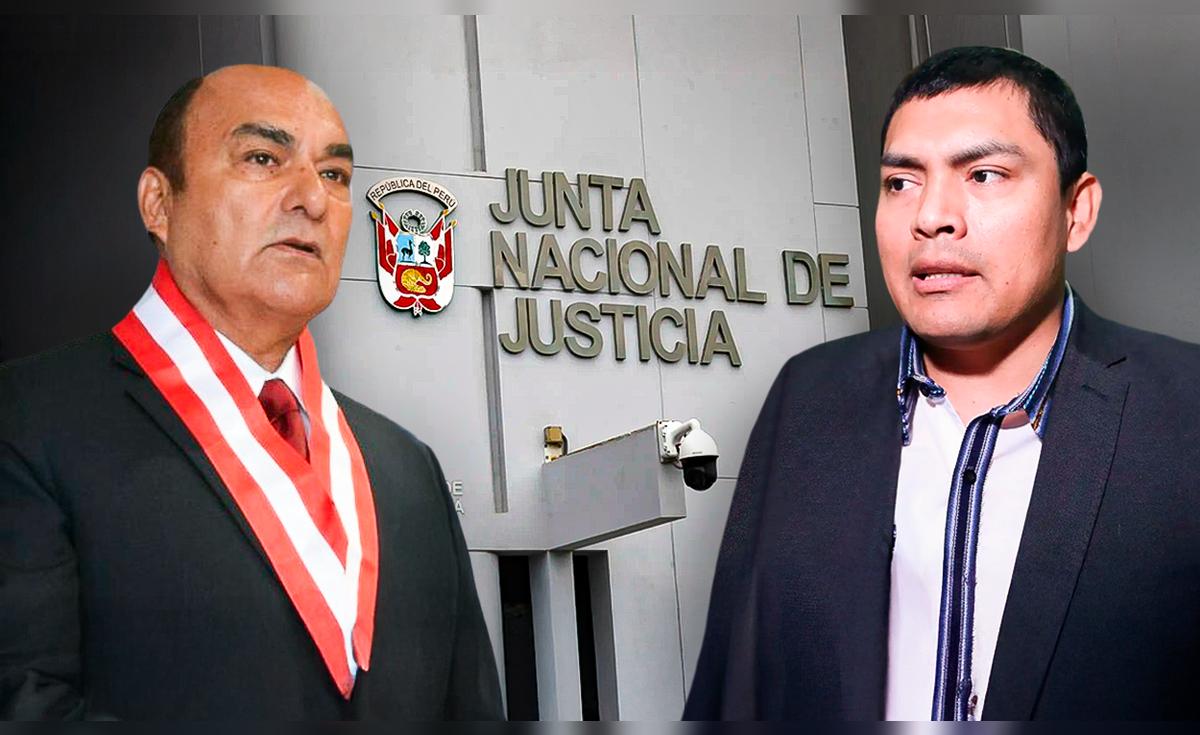
The JNJ magistrates They seek to increase their monthly remuneration S/35,000 to S/42,000arguing that they should receive the same as the supreme judges of the Judiciary. The increase would benefit only the seven members of the body, responsible for appointing and sanctioning judges and prosecutors.
listen to the newsText converted to audio
Artificial intelligence
According to La Encerrona, the procedures for this increase began a few months after the magistrates took office. Since then, different offices of the National Board of Justice They issued internal reports that support salary equalization, although the magistrates already earn more than a supreme judge with less than five years in office.
WE RECOMMEND YOU
BETSSY CHÁVEZ ASILED AND POLICE NEWS FROM POLITICIANS | WITHOUT SCRIPT WITH ROSA MARÍA PALACIOS
The media also revealed that the Congressman Américo Gonzafrom the bench Free Perupresented a bill which copies paragraphs, tables and arguments from those reports. The document proposes equalizing the salaries of the members of the JNJ with those of the supreme judges, despite the fact that the institution itself had recognized that it does not have a budget to cover this additional expense.
The research adds that the general direction of the JNJheaded by Katia Nunezalso promoted the temporary hiring of senior officials with precarious contracts and trust evaluations, which—according to labor lawyers consulted by La Encerrona—could facilitate internal pressures and weaken institutional independence.
Peru Libre Law would allow the JNJ to earn more than a newly appointed supreme judge
He bill 12954promoted by the congressman Americo Gonzaseeks standardize remuneration rights of the members of the JNJ with those who perceive supreme judges of the Judiciary. In practice, the rule would raise their salaries to S/42,717 monthlya figure higher than the current economic compensation approved by Supreme Decree No. 412-2019-EF.
The legislative initiative also proposes authorizing the Ministry of Economy and Finance to approve a new salary scale for workers in the private regime of the JNJ, with salaries of up to S/22,500 for management positions. Although the text assures that the measure “will not demand additional resources from the Public Treasury,” it includes provisions that They exempt the JNJ from budget limits and restrictions in force in the 2025 Budget Law.
In his explanatory statement, the congressman Free Peru maintains that the equalization is based on a “constitutional mandate” of equal benefits between supreme judges and members of the Board. However, the document presents textual similarities with the internal reports prepared by JNJ itself, which confirms the alleged plagiarism reported by La Encerrona.
The project also introduces a table with the income structure of the supreme judgeshighlighting that those who have been in office for more than five years receive around S/42,700while members of the JNJ receive S/35,017. The initiative omits, however, the detail that the latter have a maximum mandate of five years, so do not qualify for additional bonuses that inflate the salaries of the magistrates of the Judiciary.