The small and medium farmers Peruvians are going through a moment of uncertainty due to the recent imposition of tariffs by the United Statesits main agricultural trading partner. Nearly 50% of Peruvian fruits, vegetables and other agricultural products are destined for that market, generating more than one and a half million direct and indirect jobs in the country.
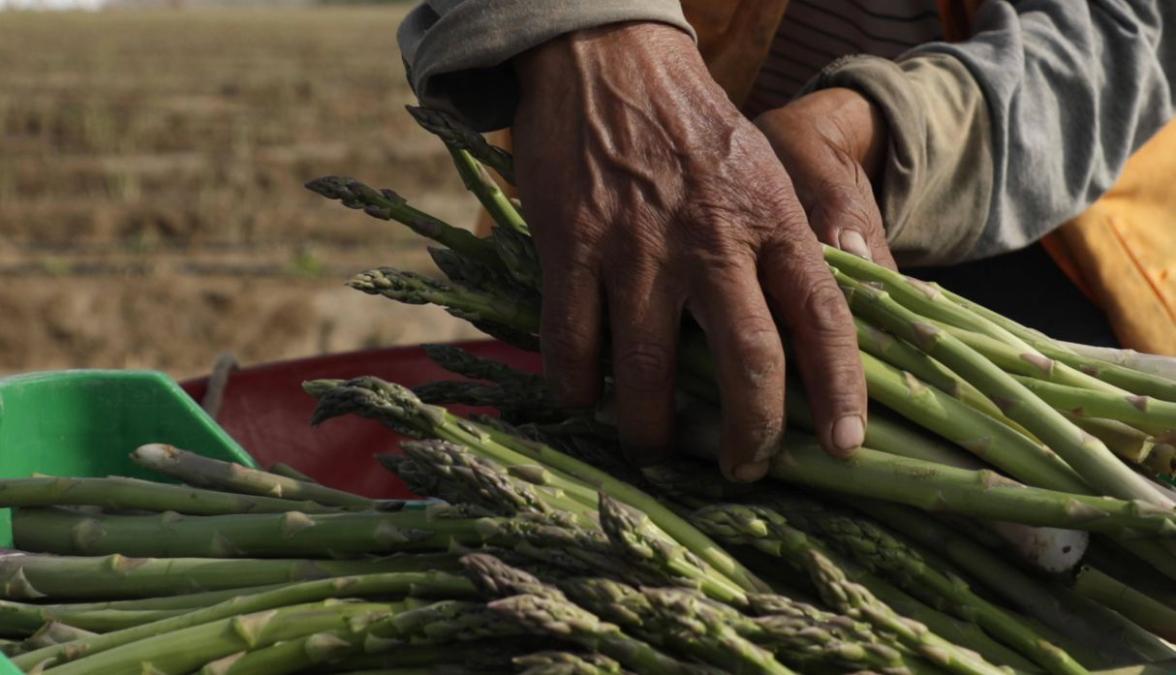
In 2024, agricultural exports to the North American giant totaled US$4.44 billion, with a trade surplus of US$3.65 billion. However, the new tariff scenario is reducing the competitiveness of Peruvian products such as coffee, avocado, asparagus and blueberries, especially affecting small producers, who operate with profit margins of only between 8% and 10%.
“The impact is severe, farmers are seeing their income reduced and in some cases the continuity of their operations is at risk,” warned Gabriel Amaro, president of the Association of Agricultural Producers Guilds of Peru (AGAP). According to economist Bernardo Cojal Loli, the rise in prices derived from the new tariffs decreases demand in the US, reducing the volume of exports and threatening the stability of the agroindustrial sector.
The Peruvian ambassador in Washington, Alfredo Ferrero Diez-Canseco, has begun diplomatic efforts to achieve the exclusion or reduction of tariffs, appealing to the Free Trade Agreement in force between both countries. However, he recognizes that the economic impact is asymmetrical: “A 10% tariff does not affect the American economy, but it can have serious consequences on ours.”
Against this background, experts agree on the need to diversify markets towards Europe, Asia and Latin America, as well as to bet on productive innovation. The diversification of agricultural supply, improvement in quality and international certifications—such as fair trade or organic—and reduction of logistics costs are key strategies to sustain competitiveness.
The new Agrarian Promotion Law and the drawback system appear as tools to mitigate the impact on small and medium farmers. Although the outlook is complex, the combination of effective public policies and greater market opening can help Peruvian agriculture maintain its dynamism and reduce its dependence on the US market.
Receive your Perú21 by email or Whatsapp. Subscribe to our enriched digital newspaper. Take advantage of the discounts.
-.
RECOMMENDED VIDEO