The Cuban Government has announced the immediate promotion of a series of scientific studies aimed at confronting the spread of the chikungunya virus on the island, as part of the national strategy for the control of arboviruses.
According to Dr. Ileana Morales Suárez, director of Science and Technological Innovation of the Ministry of Public Health of Cuba (Minsap), the plan covers three priority lines: reducing the infestation of the mosquito vector, improving the clinical treatment of the disease and mitigating joint sequelae that some patients present after the acute phase.
The first clinical trial announced will be carried out in hospitals in the provinces of Havana and Matanzas, with the objective of evaluate the effectiveness of a Cuban medicine called Juzvinza —intended to alleviate joint inflammatory manifestations that persist in many recovered patients—marking an important step in the research response.
The initiative is part of the renewed “National Arbovirus Control Plan”, which articulates preventive-epidemiological, health and clinical care actions, and highlights science as a strategic pillar in the defense of public health.
The epidemiological scenario in Cuba shows an increase in cases of chikungunya, mainly attributable to the fact that the virus had not previously circulated with intensity in the population and, therefore, the level of immunity is low.
This was stated by Dr. María Guadalupe Guzmán Tirado, director of Research, Diagnosis and Reference of the Pedro Kourí Institute of Tropical Medicine (IPK).
Trip to the epicenter of chikungunya in Cuba: “Public health got out of hand”
IPK specialists have highlighted that the outbreak has been favored by factors such as a warm climate, rapid urbanization, deficiencies in the water supply and the accumulation of sources of transmitting mosquitoes.
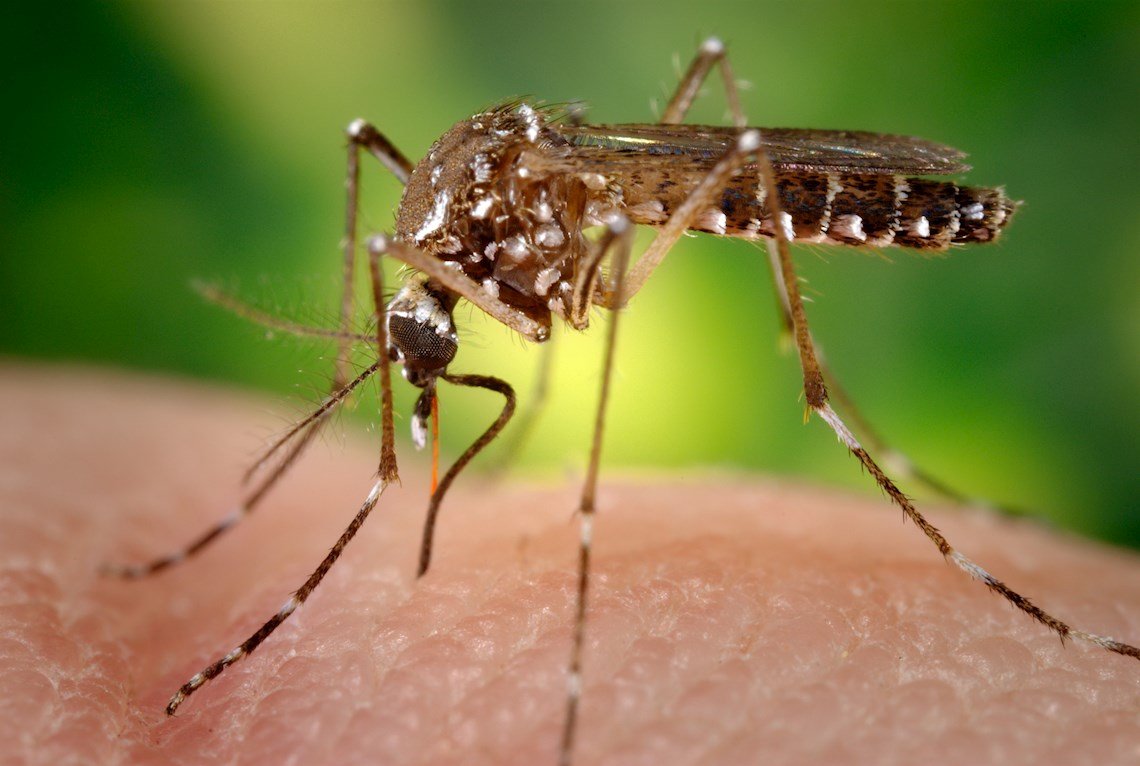
The disease, transmitted by mosquitoes of the genus Aedes aegypti and Aedes albopictus, is characterized by sudden fever, severe joint pain, skin rashes and, in some cases, prolonged joint symptoms that can last weeks or months.