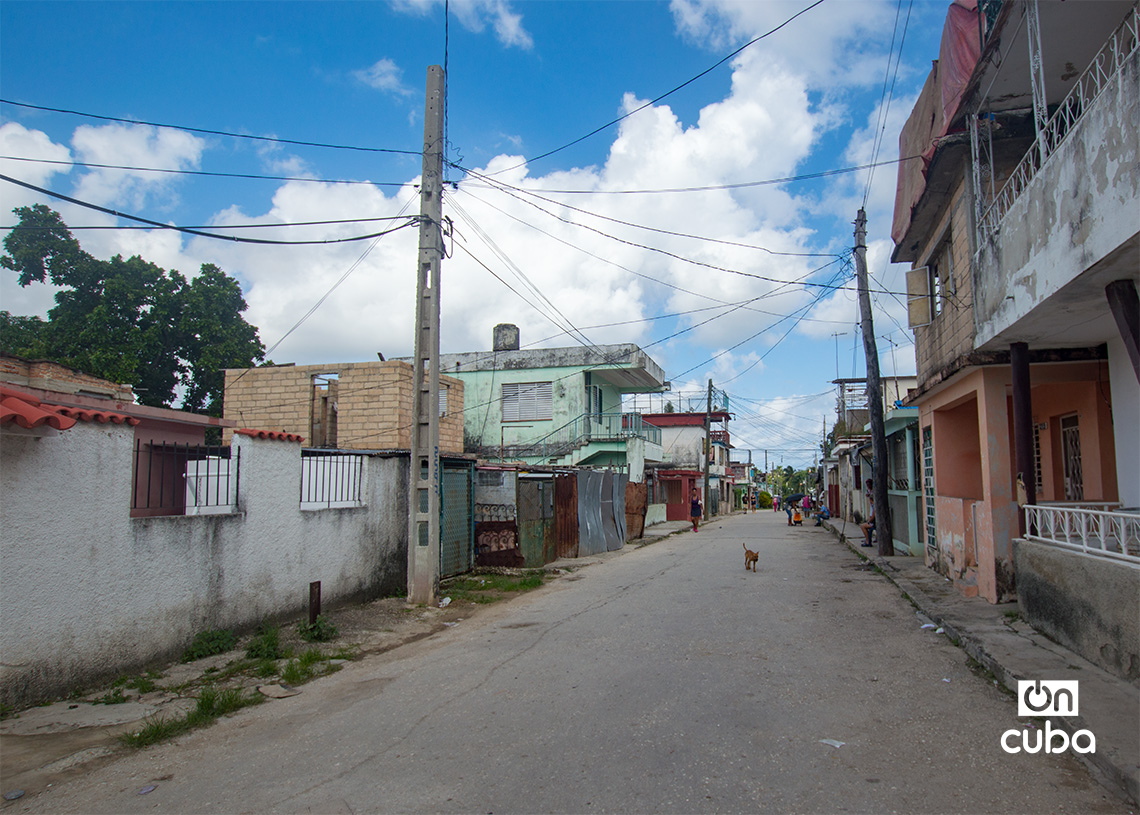
Coco Solo is one of the best-known neighborhoods in the municipality habanero from Marianao. And although its name may be curious, and even funny to some, its reality, without a doubt, is not.
Its origins date back to colonial times, and particularly to the second half of the 19th century. At that time, the area where it is located began to urbanize and neighborhoods emerged that gave rise to the neighborhood of Coco Solo since then.
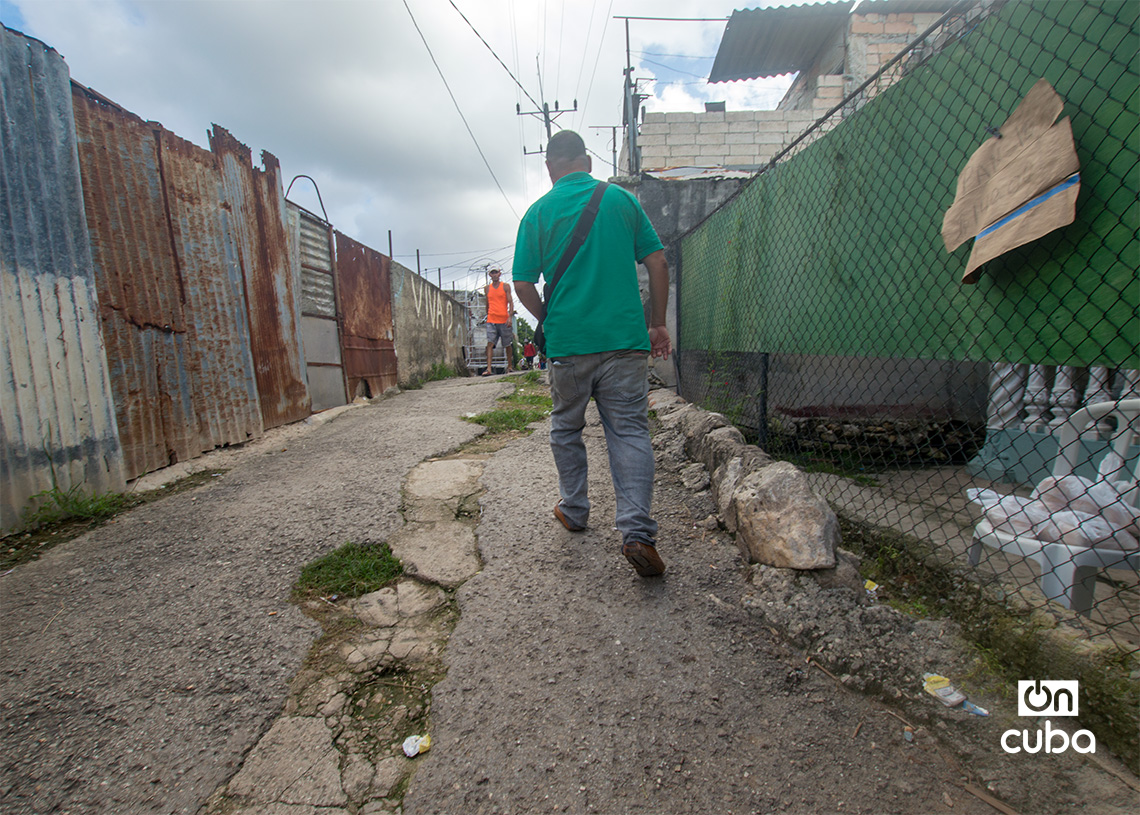
According to some sources, the name of this neighborhood is due to the abundance of cocó in the area, a limestone material used in construction. Other, more literal sources, relate it directly to a coconut or a coconut bush that would have served to identify the area.
The way your name is spelled also varies. While some—as we do now—put both words separately, others put them together to form a single term. This, however, does not change the future or current state of this place in any way.
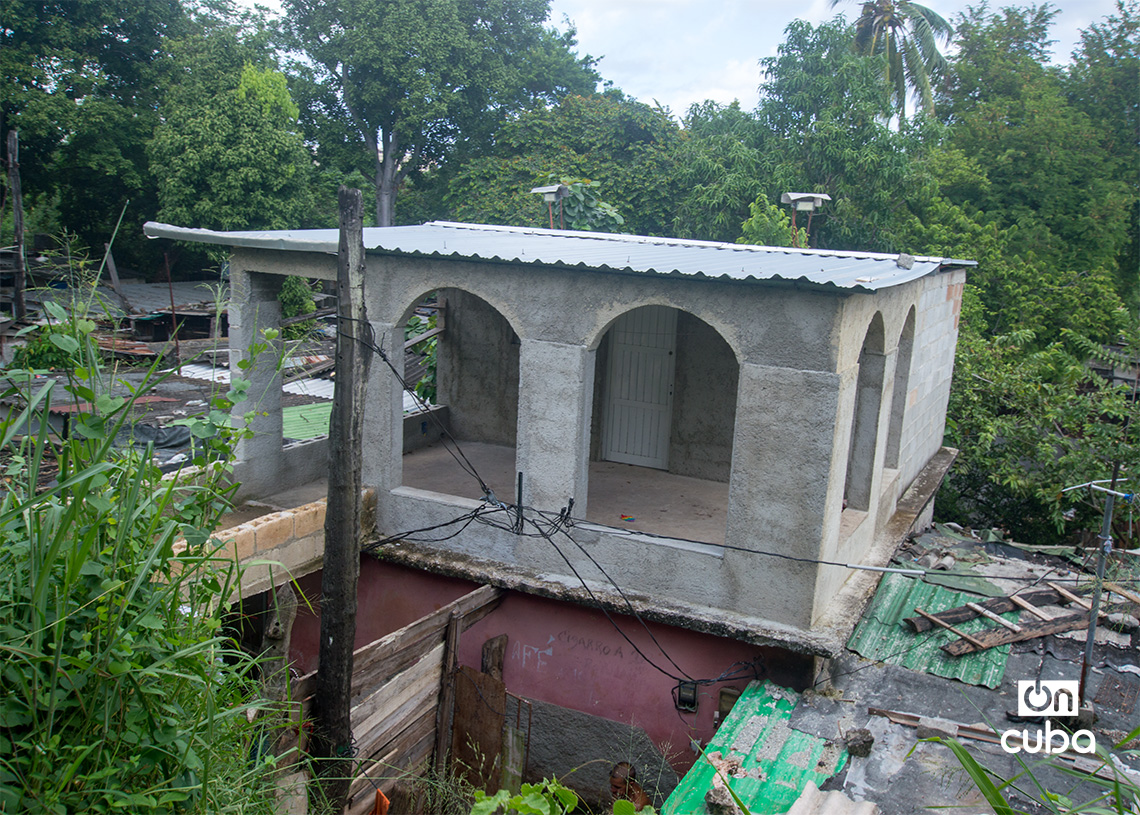
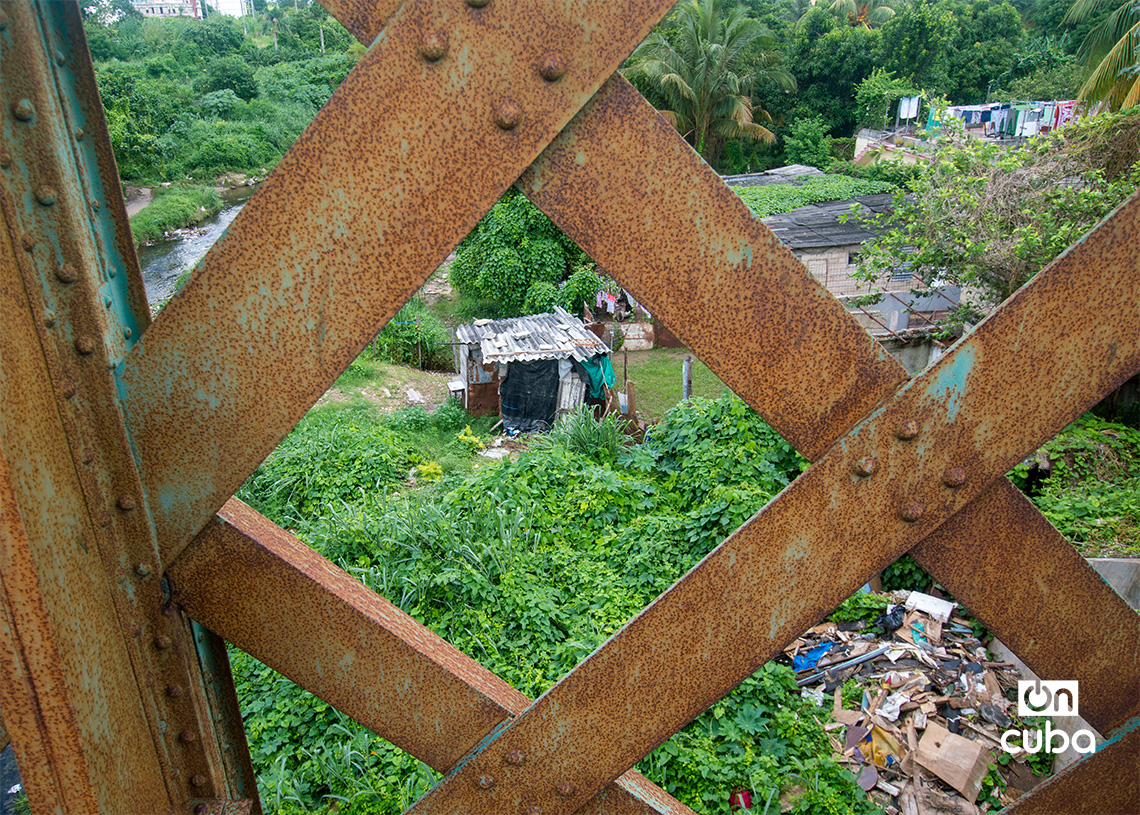
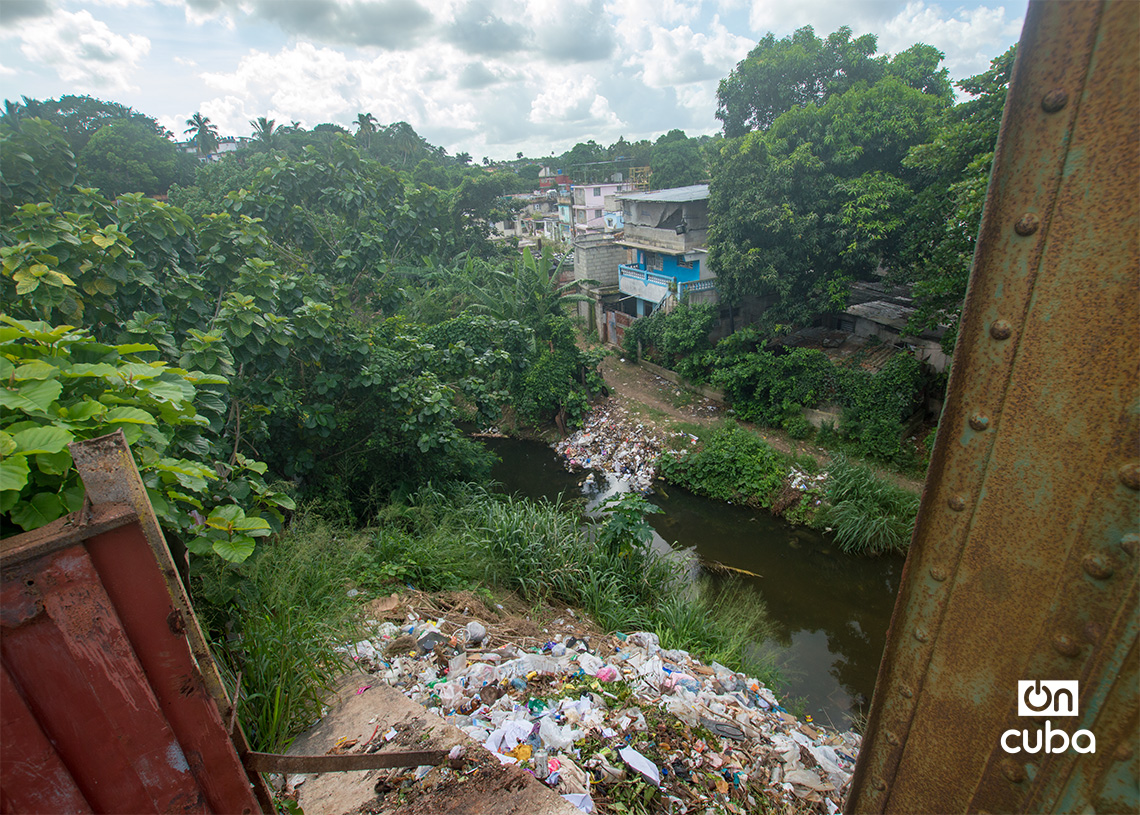
Located in the surroundings of the well-known and diminished Quibú River, the Coco Solo neighborhood shares history with the Zamora castwhich territorially was part of it in its origins and with which today it also shares an administrative structure: the Zamora-Coco Solo Popular Council.
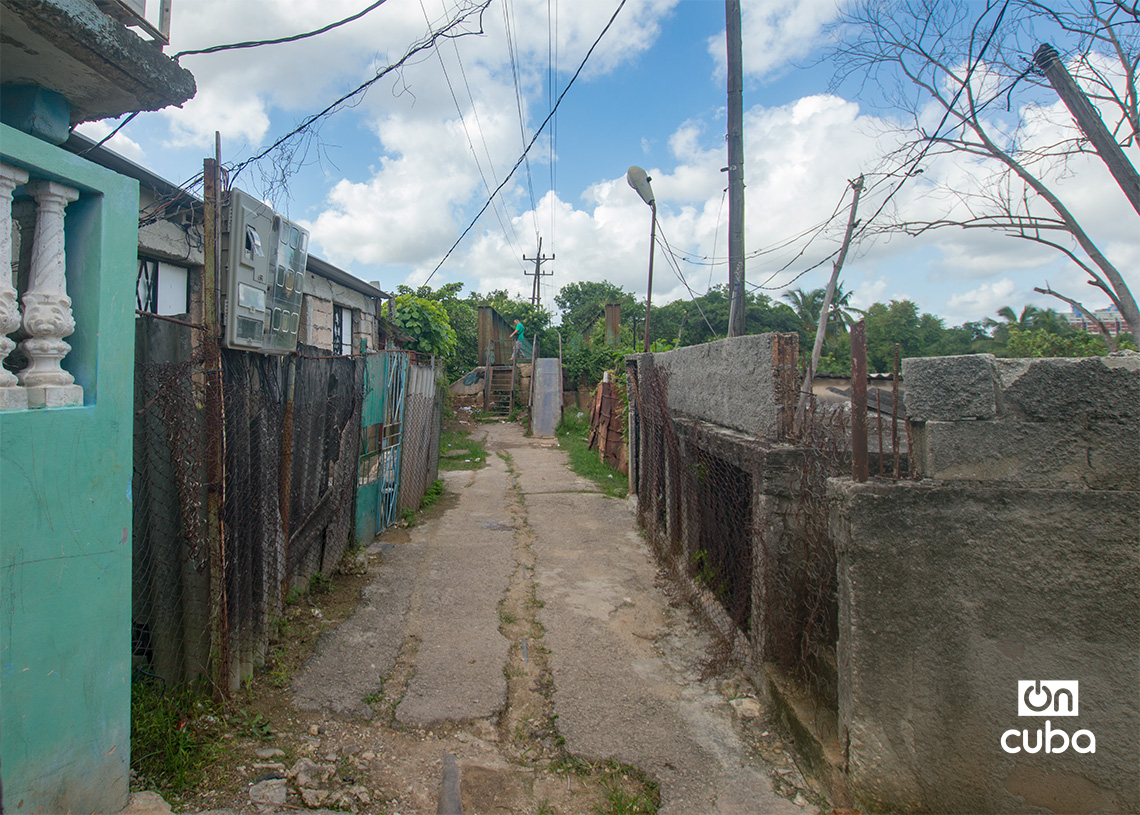
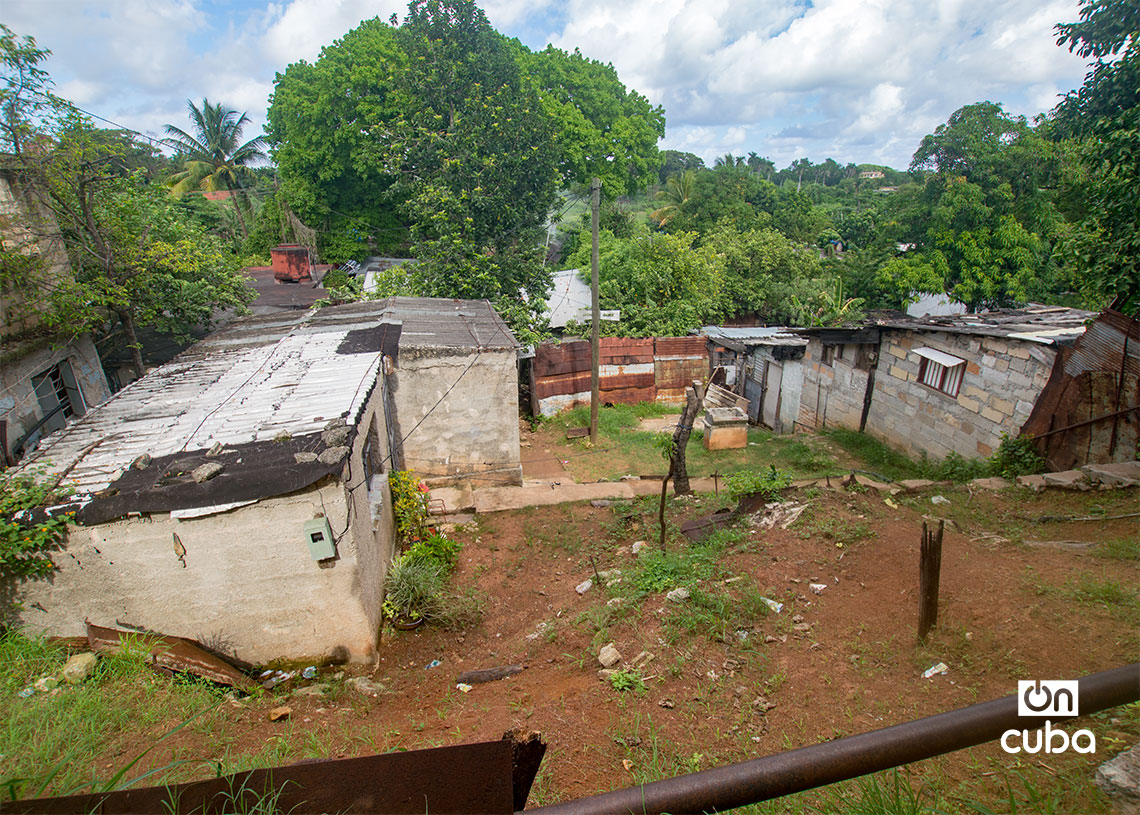
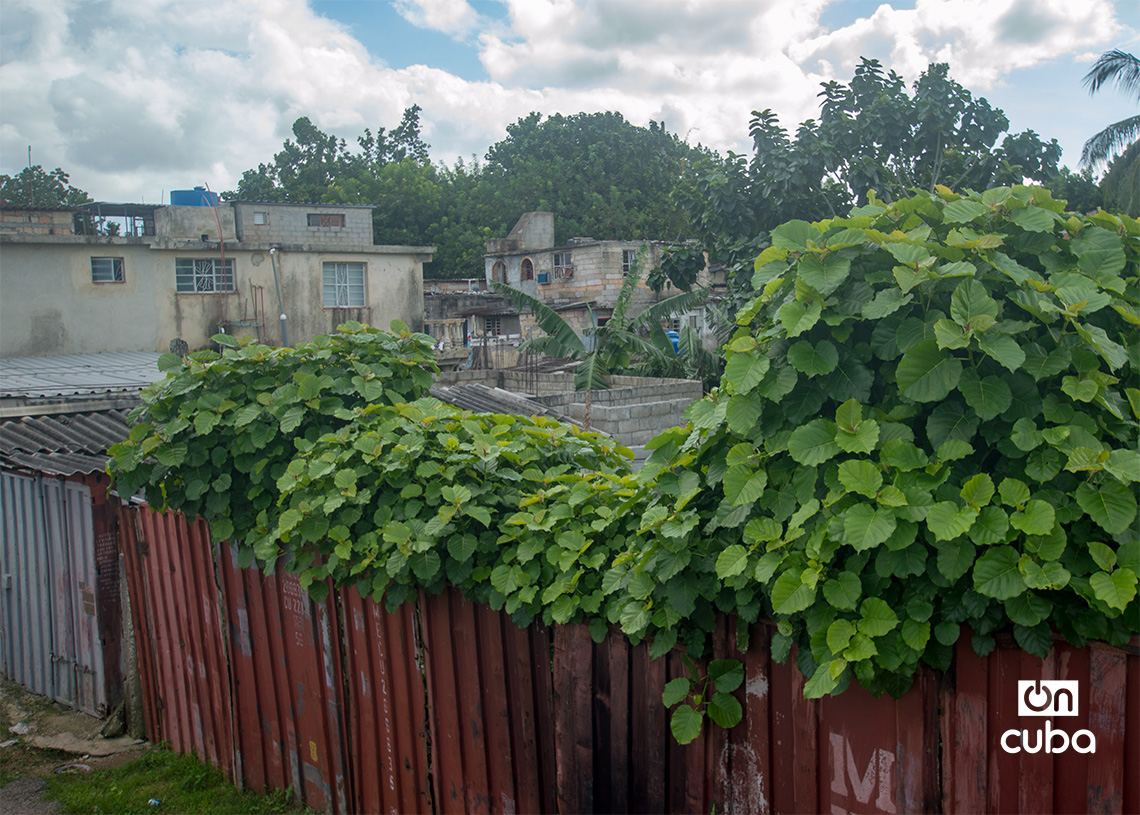
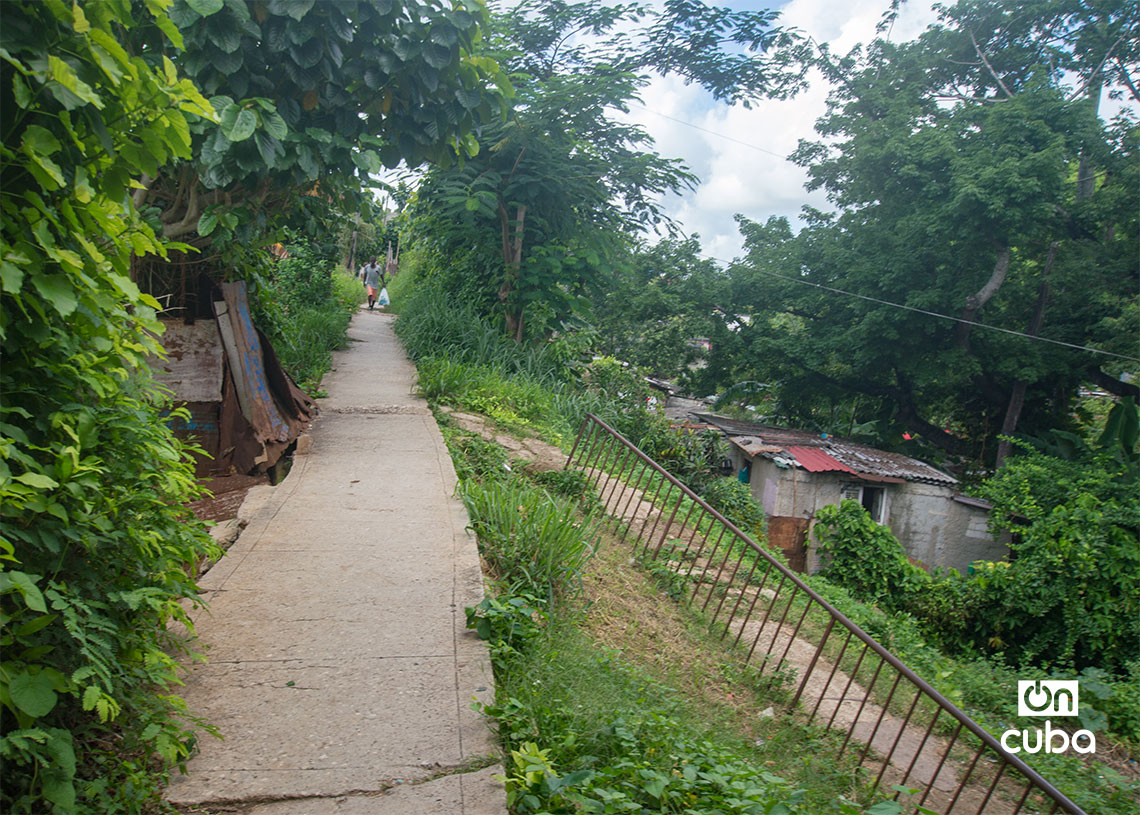
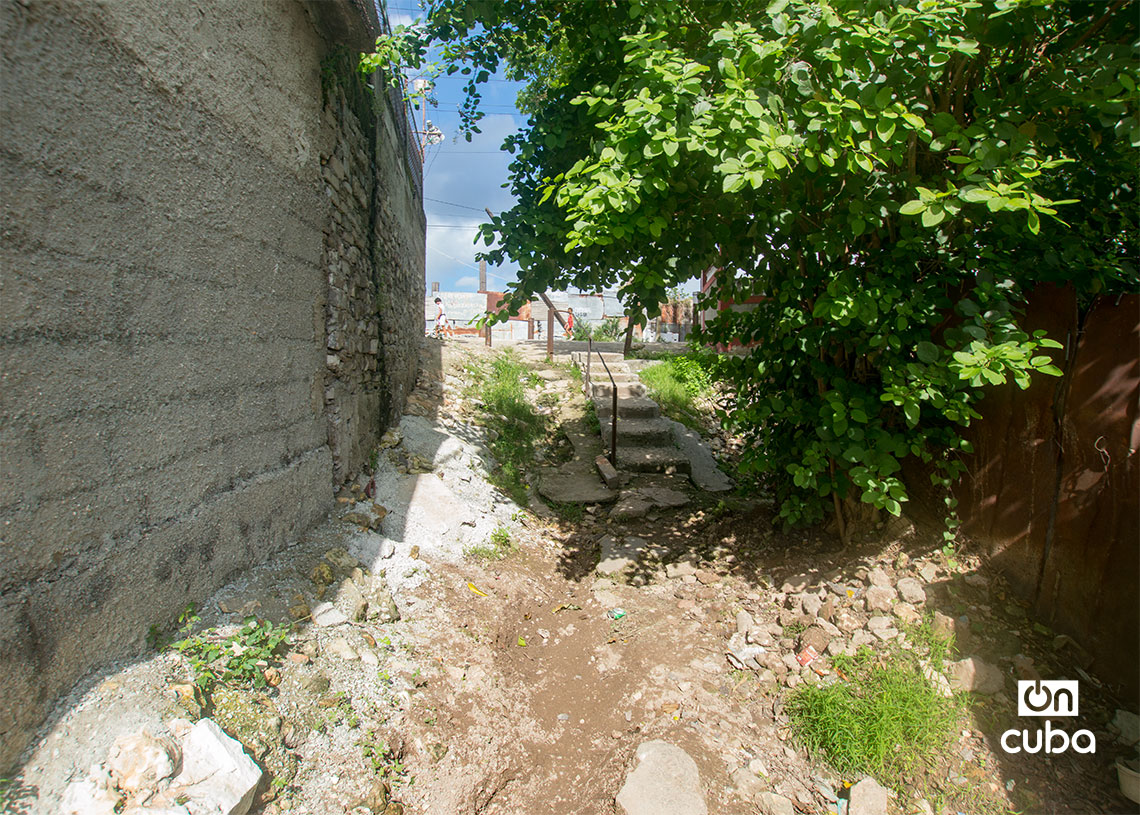
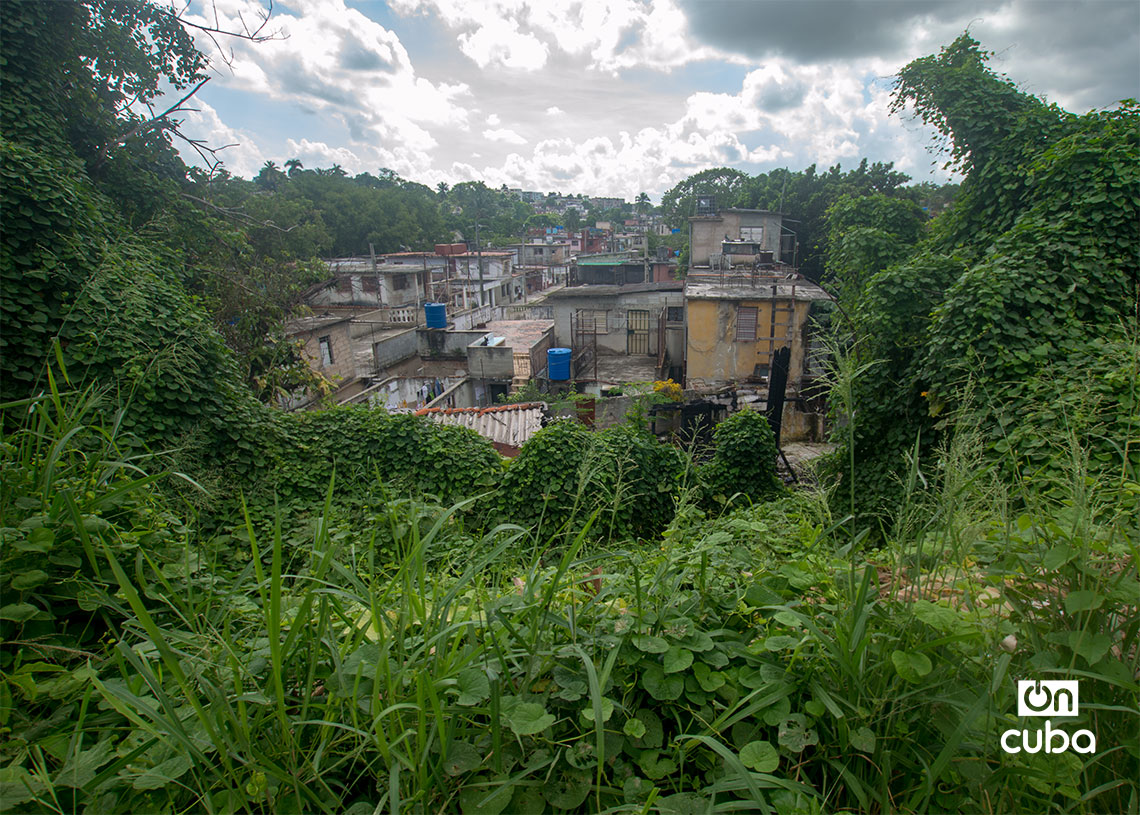
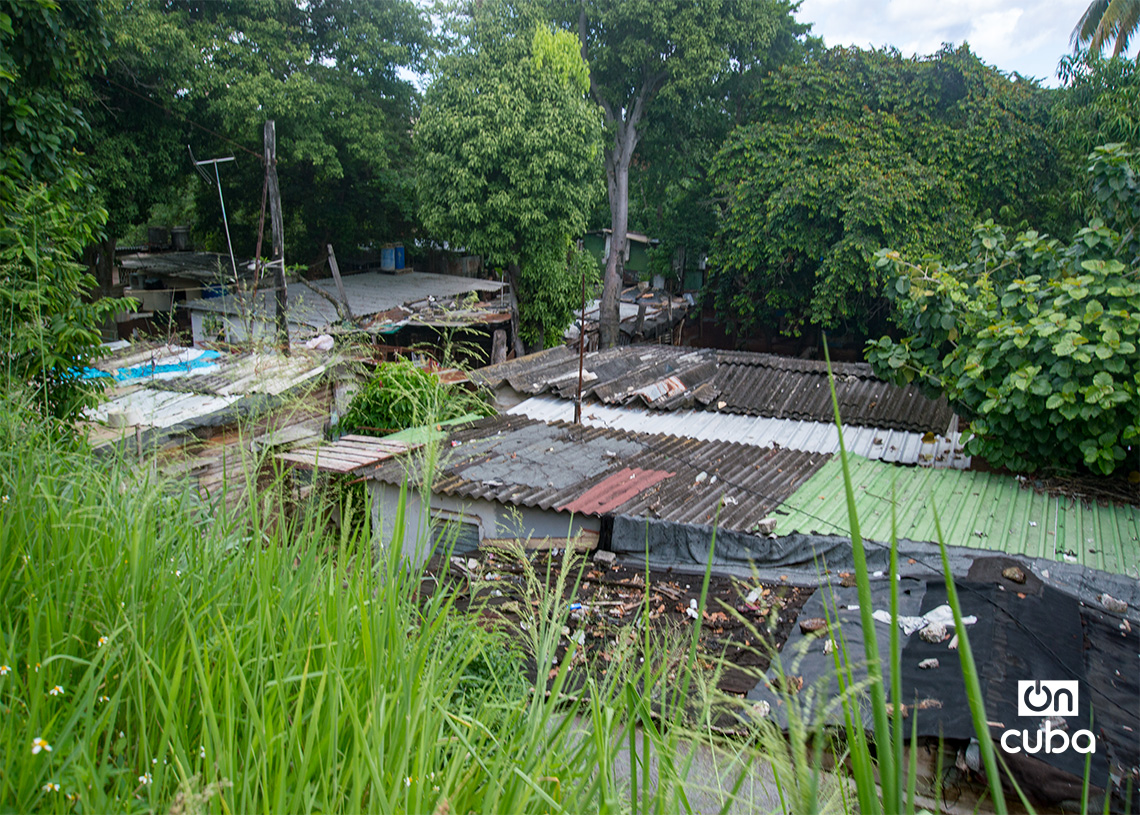
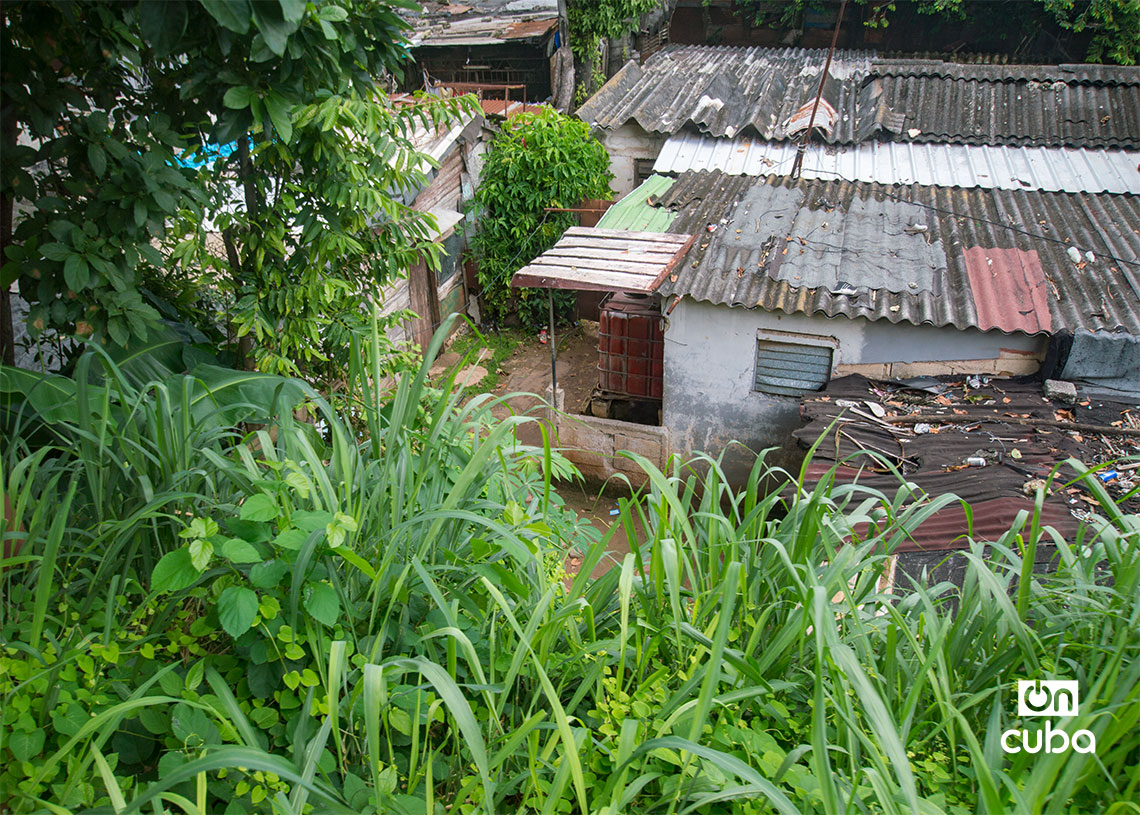
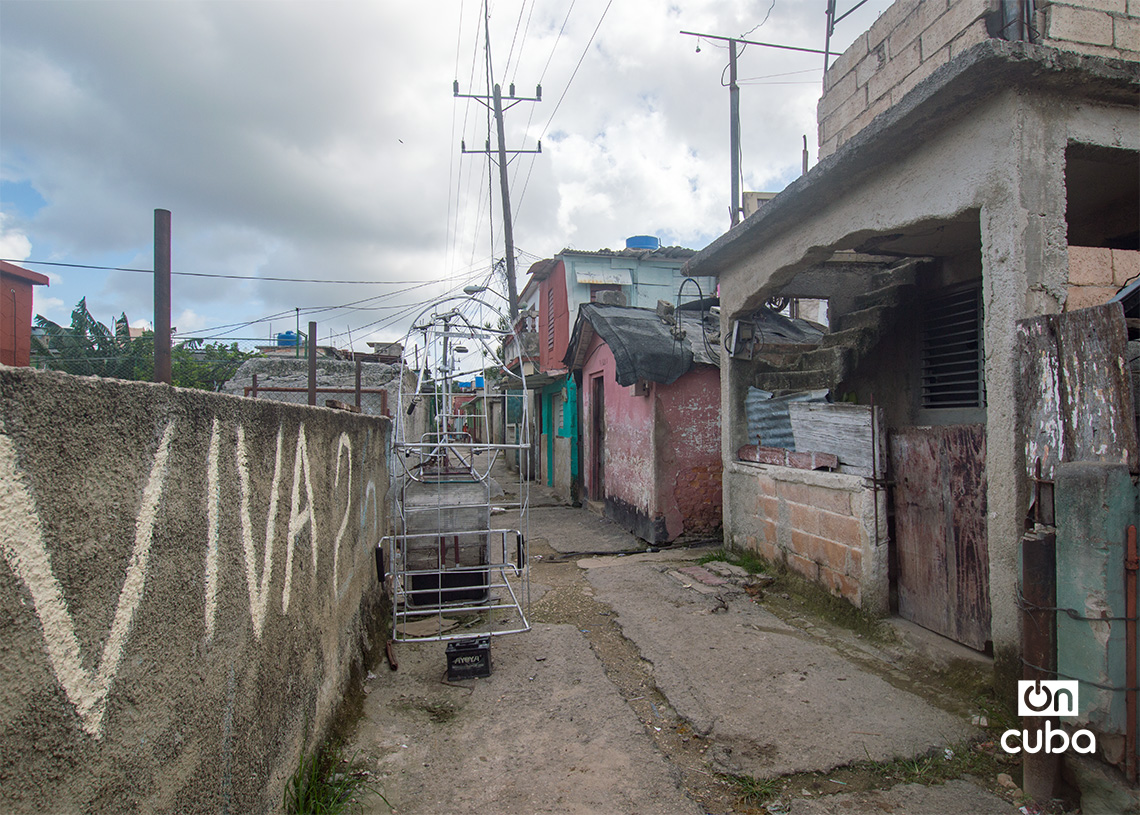
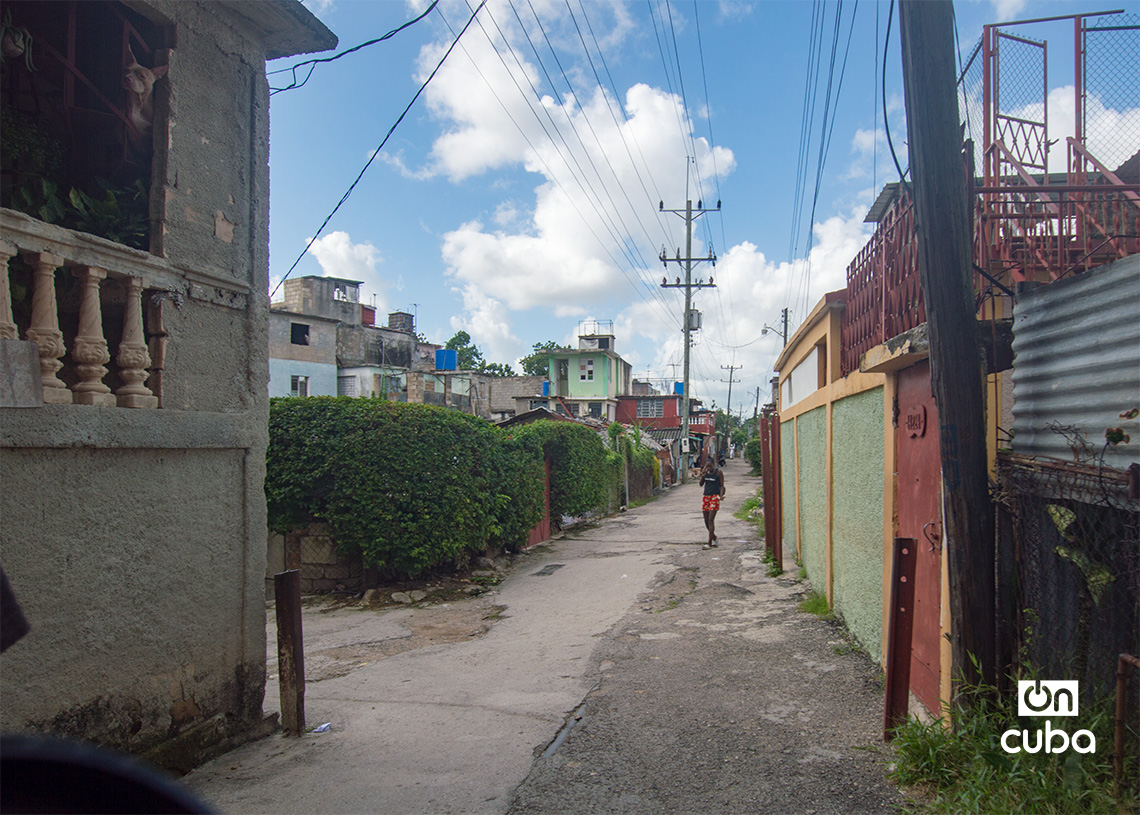
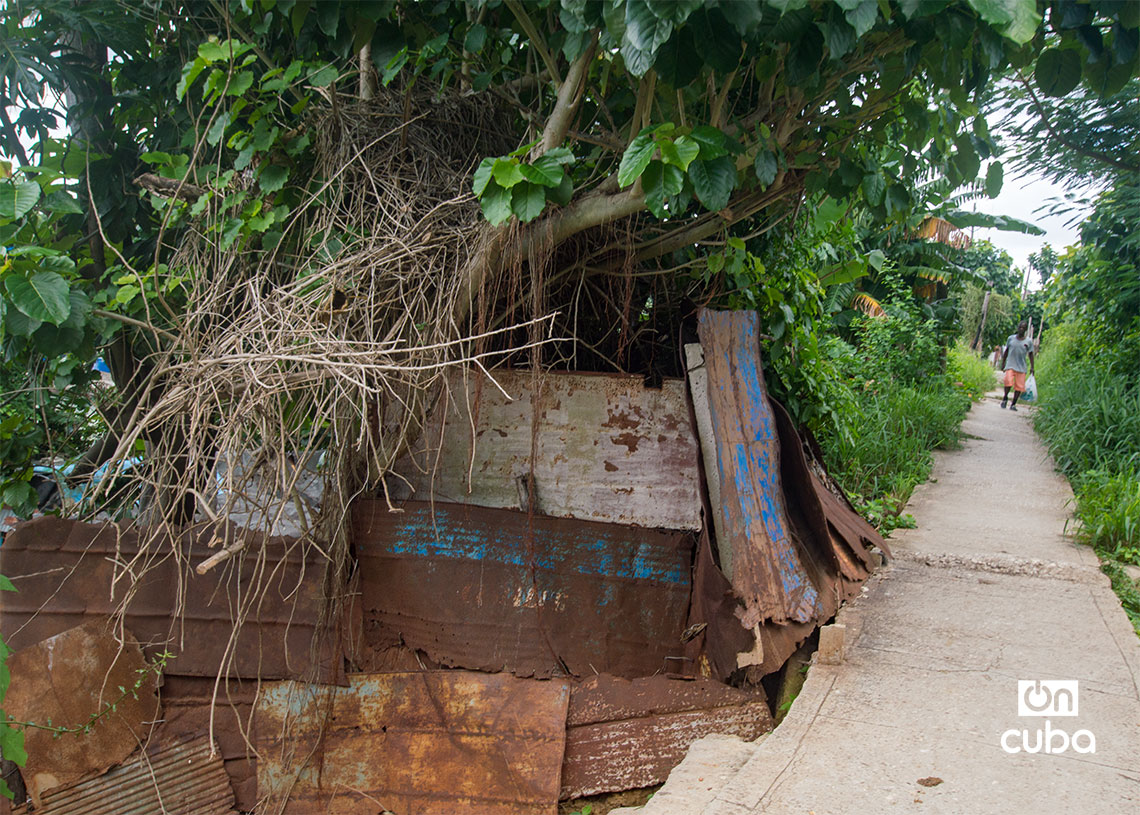
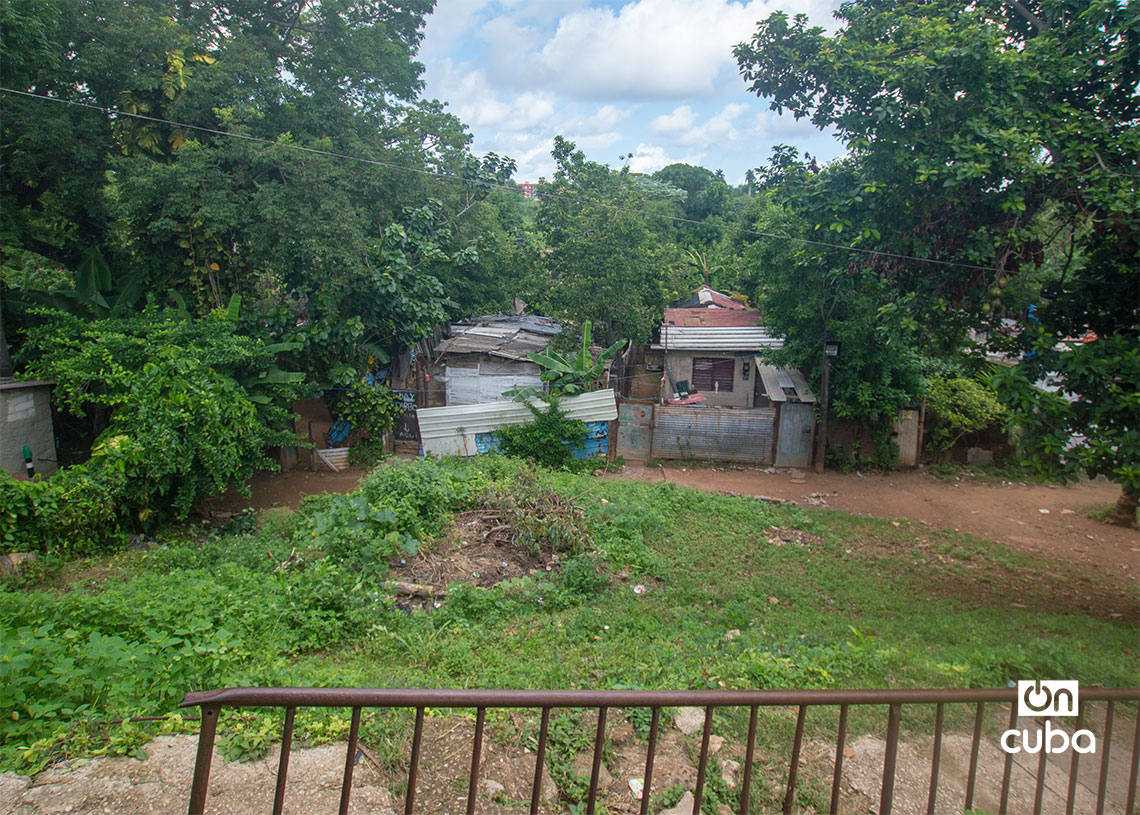
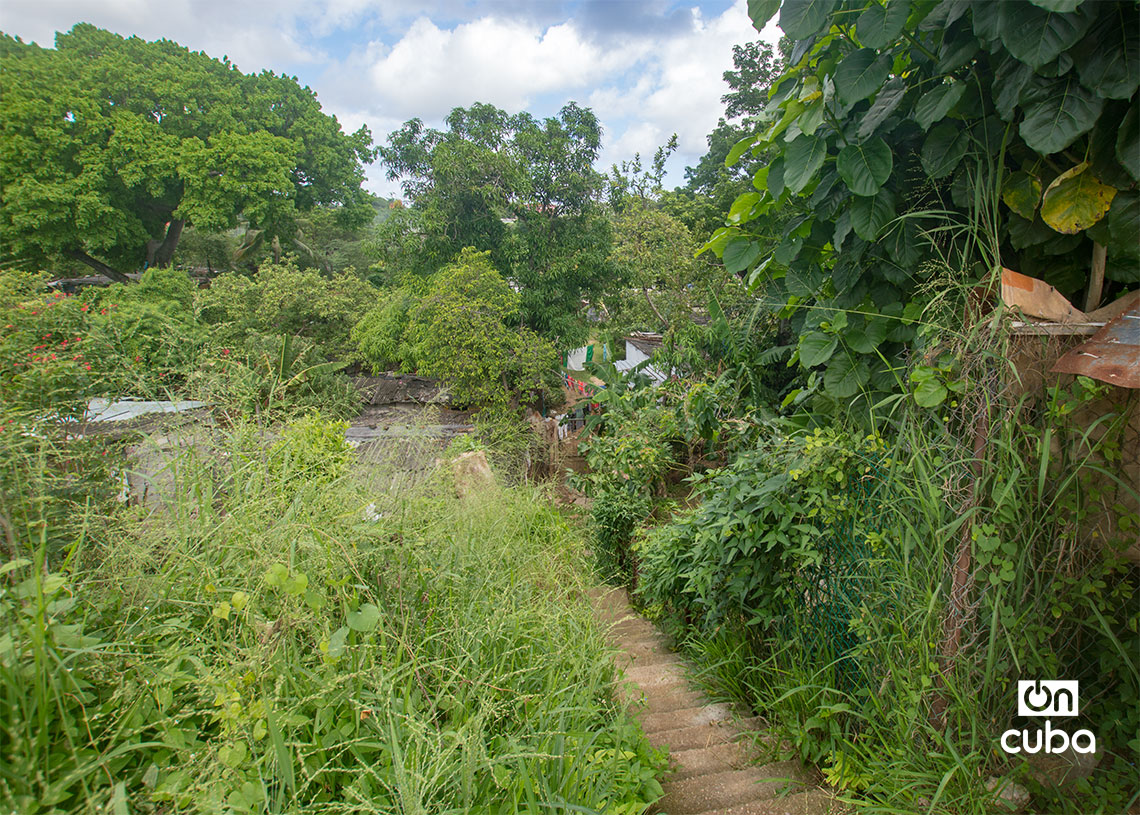
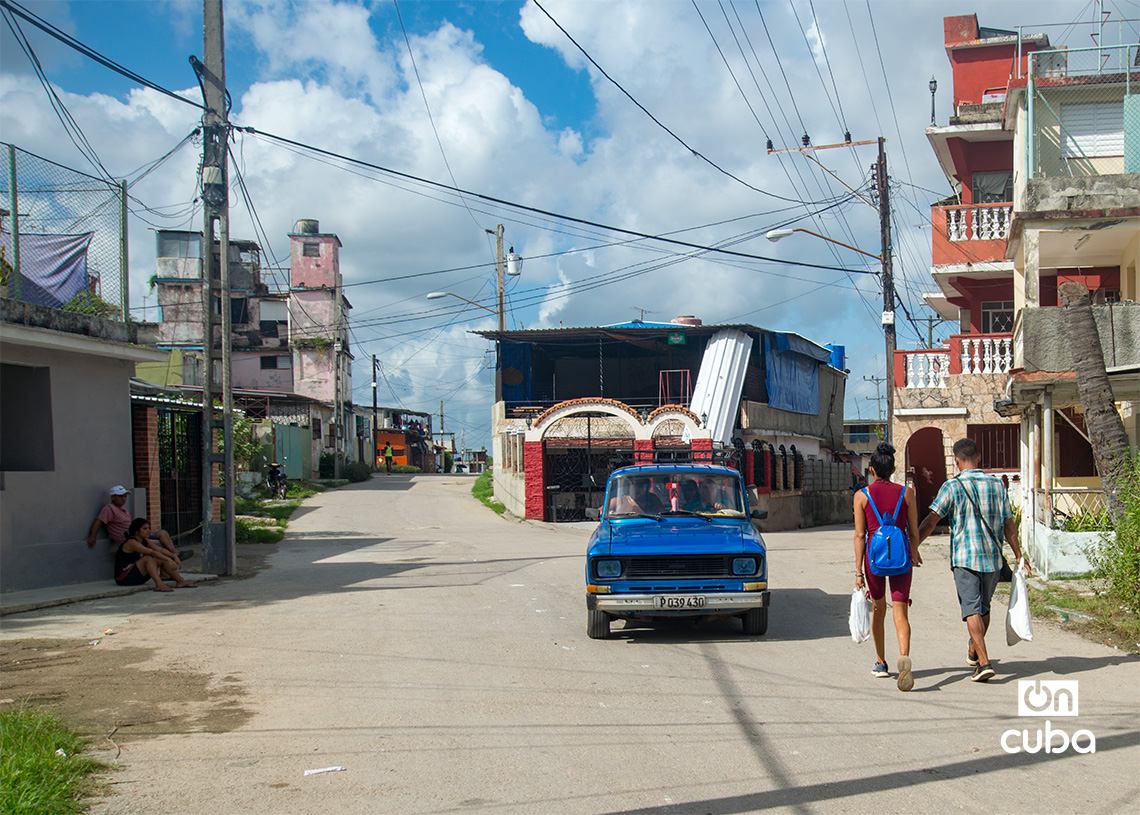
What was originally a middle-class neighborhood expanded and gave way to a humble community, with places considered even marginal—or “vulnerable,” according to the authorities’ terminology—marked by precariousness and daily survival.
This is how the photojournalist reveals it to us this Sunday Otmaro Rodríguezwho entered this Havana neighborhood—beyond its most central and well-known places—to reveal to us that other city that is not shown on tourist postcards or in official photos.