The Ministry of Public Health on the Island would be in charge of coordinating the transportation and distribution of supplies.
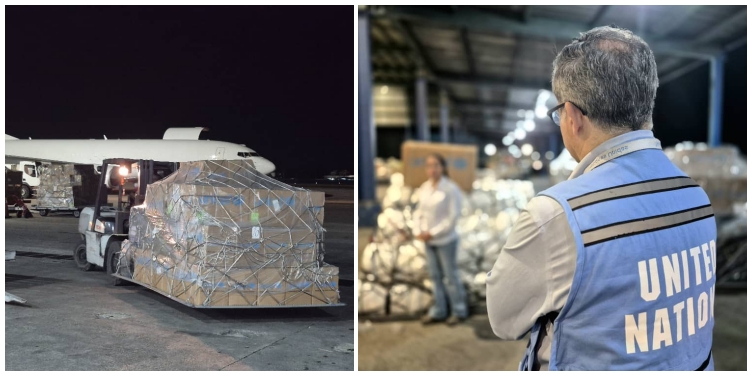
LIMA, Peru – The United Nations System in Cuba reported on social networks that a shipment with essential medical supplies arrived at the José Martí international airport in Havana early this Saturday.
According to the information released by the state Cuban News Agency (ACN), the donation to the Cuban regime aims to support more than 90,000 people affected after the passage of Hurricane Melissa.
These are 69 medical care kits that contain critical medications such as antibiotics and antihypertensives, which are scarce on the Island, as well as equipment such as stethoscopes, scales and sphygmomanometers, along with expendable materials such as syringes, needles, gloves and cannulas.
8,220 mosquito nets and oral rehydration salts were also unloaded, intended to reinforce health care in the territories most affected by the meteorological phenomenon, which hit eastern Cuba this Wednesday.
The Ministry of Public Health on the Island would be in charge of coordinating the transportation and distribution of supplies to the eastern provinces. “With priority for institutions with the greatest needs,” emphasizes the ACN.
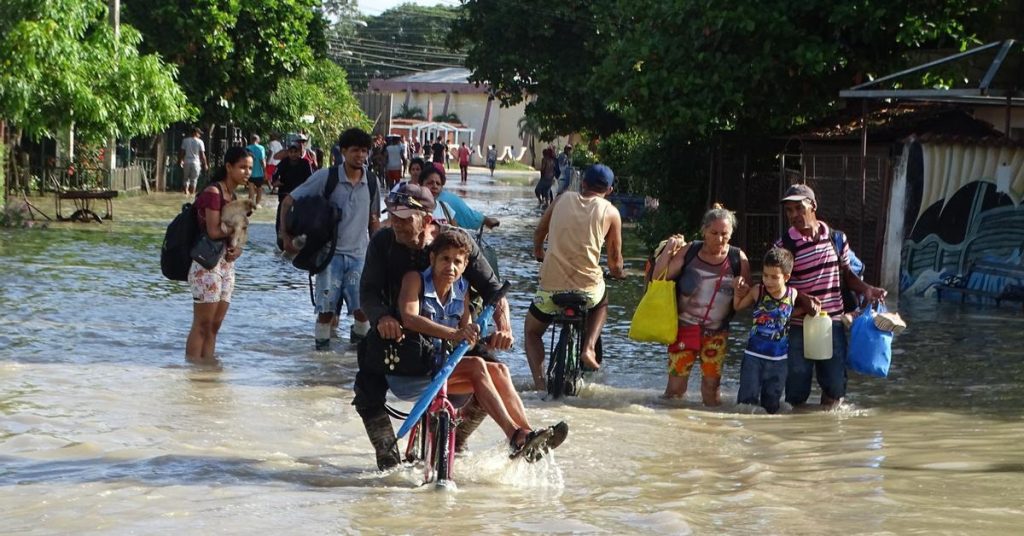
The United Nations World Food Program (WFP) warned this week that around 700,000 people in Cuba, more than 7% of the population, require urgent humanitarian assistance following the devastating passing of Hurricane Melissa. The agency noted that the cyclone left serious damage to homes, crops and basic supply networks.
Despite the critical outlook, authorities of the Castro regime are preventing the entry of humanitarian aid organized by churches and independent organizations to the areas most damaged by the cyclone.
So He reported it this Friday the Cuban Observatory of Human Rights (OCDH), pointing out that these obstacles further exacerbate the crisis in the eastern region of the country.
Human rights and religious activists told the OCDH that the Cuban regime has established “control points” at the exit of the province of Las Tunas and at the entrance to Granma, to prevent the passage of people from the west and center of the Island with groceries and other aid, especially belonging to Christian churches.
The Observatory demanded that the Cuban government allow the flow of aid from civil society and refrain from trying to control social initiatives.
According to testimonies consulted by the organization in the affected areas, the authorities seek to maintain control of the distribution of aid, even that coming from non-governmental and religious organizations.