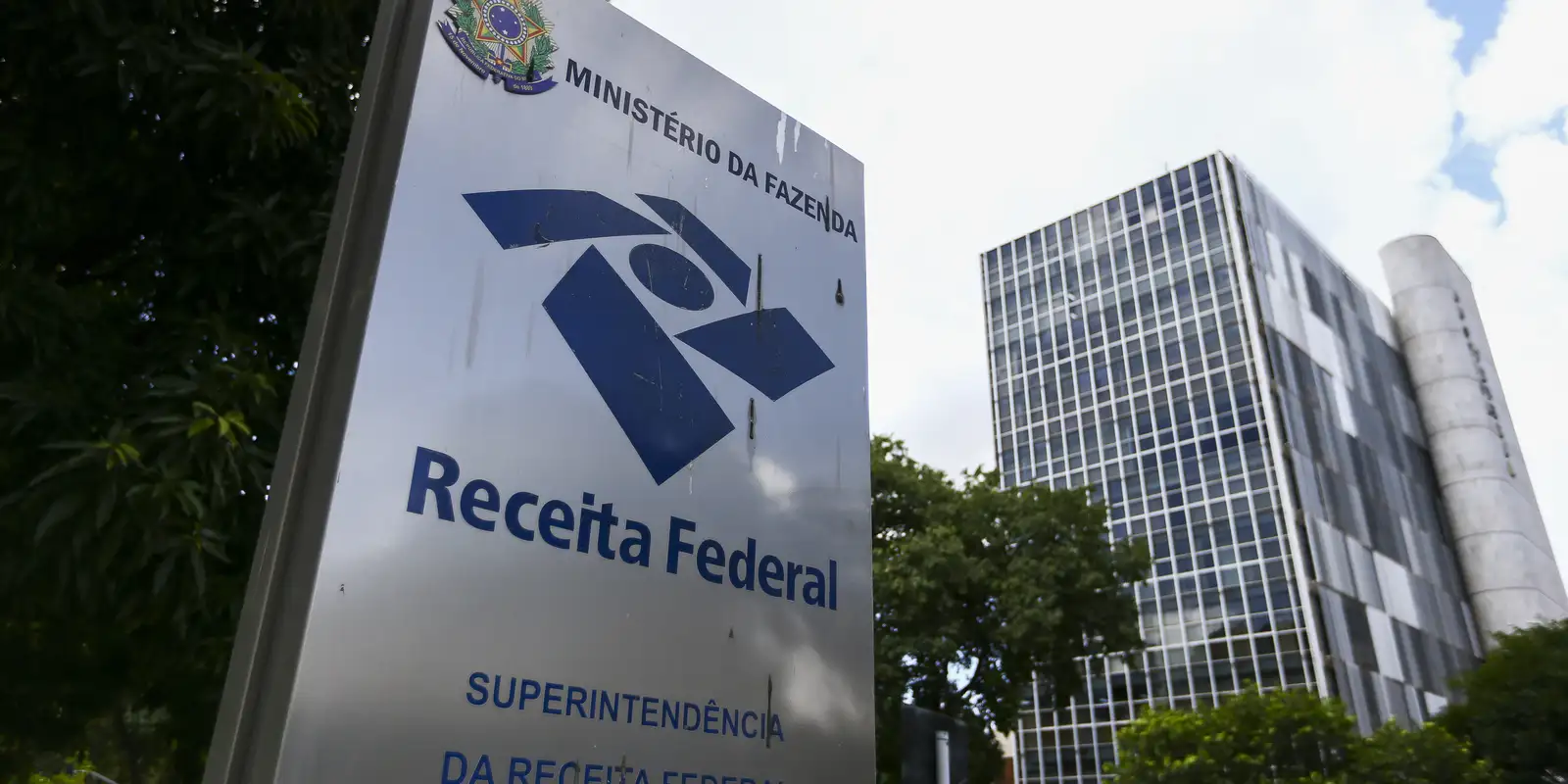
The Federal Revenue published this Friday (31) the normative instruction which obliges all investment funds to identify the Individual Taxpayer Registry (CPF) of the final shareholders. The initiative aims to tighten the siege against criminal factions. 
The Minister of Finance, Fernando Haddad, explained that the measure aims to increase the transparency of the financial system and combat practices such as money laundering, hiding assets and financial pyramid schemes.
The new standard comes into force on January 1, 2026, with adoption in two stages for some groups, such as simple and limited companies; entities domiciled abroad whose objective is to invest resources in the financial market; pension funds domiciled in Brazil or abroad and non-profit entities.
The normative instruction creates the Digital Final Beneficiary Form (e-BEF), an electronic tool in which fund administrators and financial institutions must inform who owns, controls or benefits from the investments. The document can be pre-filled with data already registered in the Federal Revenue database.
According to the body, the information provided in the e-BEF will be integrated into the National Register of Legal Entities (CNPJ) and cross-referenced with other public databases to reinforce supervision. The deadline for adapting to the new rule is 30 days.
Companies that fail to provide information may suffer CNPJ suspension, blocking of banking operations and fines.
Transparency
At a press conference in São PauloMinister Fernando Haddad guaranteed that the requirement ends anonymity in exclusive funds (special funds for large investors), in which until now it was not mandatory to inform the final beneficiary, especially in cases where one fund is a shareholder in another.
“Now, all funds will be required to include the CPF. If it is a pyramid scheme, you will have to reach the person’s CPF”, stated the minister.
According to Haddad, the initiative was inspired by lessons from Operation Hidden Carbonlaunched this year in the Avenida Faria Lima region, in São Paulo, to investigate suspicions of money laundering through investment funds.
“People who do things lawfully end up mixing with people who have a nice facade, but behind there is serious organized crime”, he highlighted.
The minister explained that the Federal Revenue will now receive monthly, through the National Collection system, reports 5,401 and 5,402, with detailed information about all funds and shareholders, such as identification, net worth, number of shares, CPF and CNPJ. These documents were already sent to the Central Bank, but now they will also be shared with the Revenue.
Haddad highlighted that the new mechanism will make it possible to track the origin of capital and identify the true beneficiaries of complex structures. “With this determination, now we will know the CPF behind it. We will know if it is an orange, if it is a resident, if it is a non-resident. We will increase the power of inspection”, he said.
Exterior
The IRS also informed that investment funds abroad must also declare their beneficiaries, regardless of the number of shareholders, as long as none of them exerts significant influence on a national entity.
The normative instruction applies to civil and commercial companies, associations, cooperatives and foundations domiciled in the country and registered with the CNPJ, in addition to financial institutions and investment fund administrators. Public companies, mixed-capital companies, publicly-held companies and their subsidiaries, individual micro-entrepreneurs and single-person companies are exempt.
persistent debtor
Still in the interview, the minister defended the Complementary Law Project (PLP) 164/2022which deals with the taxation of persistent debtors, taxpayers who systematically fail to pay taxes. Haddad stated that combating tax evasion and money laundering is part of the same effort to strengthen the country’s financial integrity.
“Criminal capital is in these funds, it is in crypto assets and in offshore funds [empresas de investimento no exterior]. We have been fighting this since we arrived, providing transparency, charging taxes and making people enter their CPF so we know who they are,” said the minister.
Who must fill out the new e-BEF declaration:
- Civil and commercial societies, associations, cooperatives and foundations domiciled in Brazil and registered with the CNPJ;
- Financial institutions and investment fund administrators;
- Entities or legal arrangements (such as trusts) domiciled abroad that have activity or business in the country and are required to register with the CNPJ.
The following are exempt from e-BEF:
- Public companies;
- Mixed economy companies;
- Public companies and their subsidiaries;
- Individual microentrepreneurs (MEIs);
- One-person companies.
Adaptation period: 30 days from the beginning of the obligation for each entity.
Penalties: suspension of CNPJ, blocking of banking operations and fines in case of omission of information.