More than 10 thousand hectares of moors, forests and rivers make up this sanctuary, a natural refuge that protects unique and endangered species in Colombia.
News Colombia.
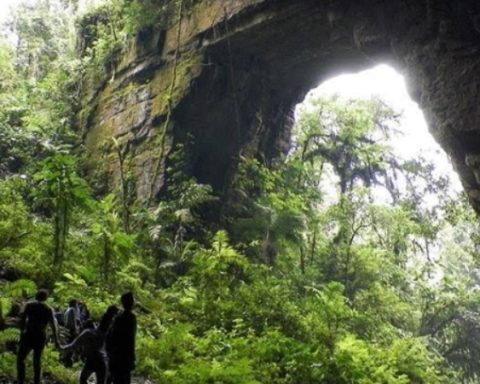
Between the limits of Boyacá and Santander, in the middle of mountains covered in mist, extends the Guanentá Alto Río Fonce Fauna and Flora Sanctuary (SFF GARF), a place where the silence of the moor coexists with the singing of birds and the murmur of the streams that give rise to the Fonce and Guillermo rivers.
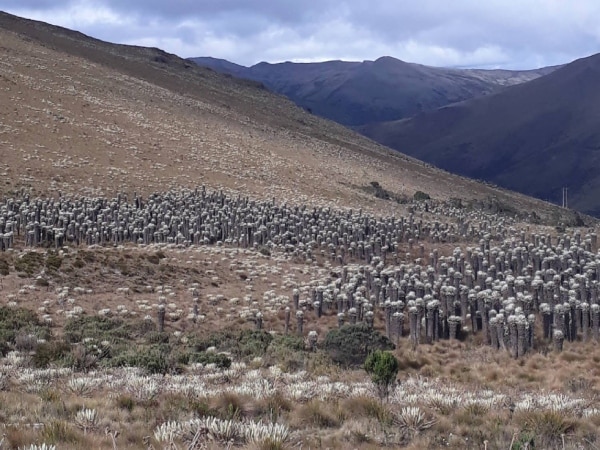
This space, considered an ecological jewel of the country, preserves paramo, high Andean and Andean forest ecosystems, fundamental for water regulation and the survival of hundreds of species.
The sanctuary was created on November 18, 1993 with the purpose of protecting the most fragile ecosystems of the Eastern mountain range. It currently covers 10,268 hectares and a perimeter of 51.9 kilometers, which are home to landscapes of unparalleled environmental value. According to the National Natural Parks of Colombia, the area remains in a good state of conservation, making it one of the best preserved natural refuges in the country.

A territory with minimal human footprint
Of its entire extension, only 36 hectares present some type of anthropic pressure, that is, effects generated by human activity. This data reveals the effectiveness of the management and protection actions implemented in the protected area. Thanks to this, the Conservation Object Values (VOC) remain almost intact: frailejones, oaks, orchids, coloradito (Polylepis quadrijuga), as well as emblematic species such as the spectacled bear and communities of amphibians and birds that maintain the balance of the Andean ecosystem.

One of the sanctuary’s greatest achievements is the conservation of 46 amphibian species, of which seven only exist there. Among them, the giant Santander glass frog (Centrolene acanthidiocephalum) stands out, famous for its transparent appearance and classified as one of the most striking in South America. However, its beauty contrasts with its vulnerability, as it is threatened by habitat loss.
Species of the genera Atelopus, Pristimantis and Andinobates have also been identified, which live between the oak forests and the bodies of water of the sanctuary. Although environmental risks persist in the surrounding areas, within the protected area these species find a safe haven to reproduce and survive.


The SFF Guanentá Alto Río Fonce is not only a wildlife sanctuary, but also an essential source of water that supplies nearby populations and contributes to the climatic balance of the region. Its role as a watershed generator and water regulator demonstrates the importance of protecting the high Andean moors and forests, ecosystems that, although discreet, guarantee the survival of human and natural communities.
You can also read: