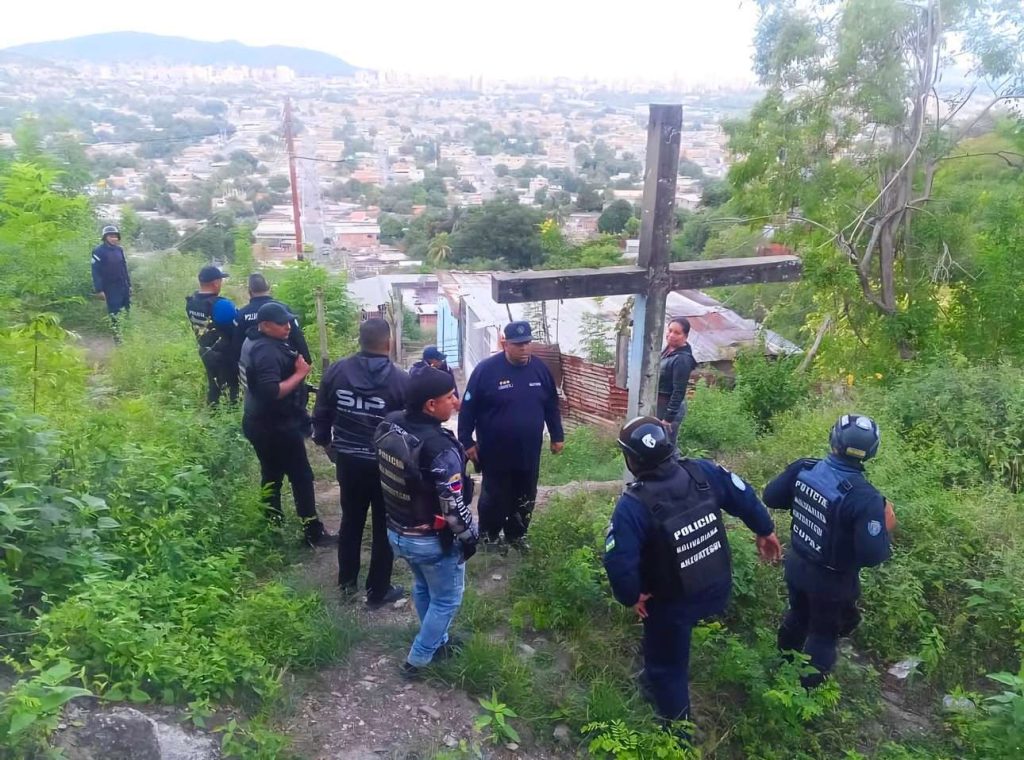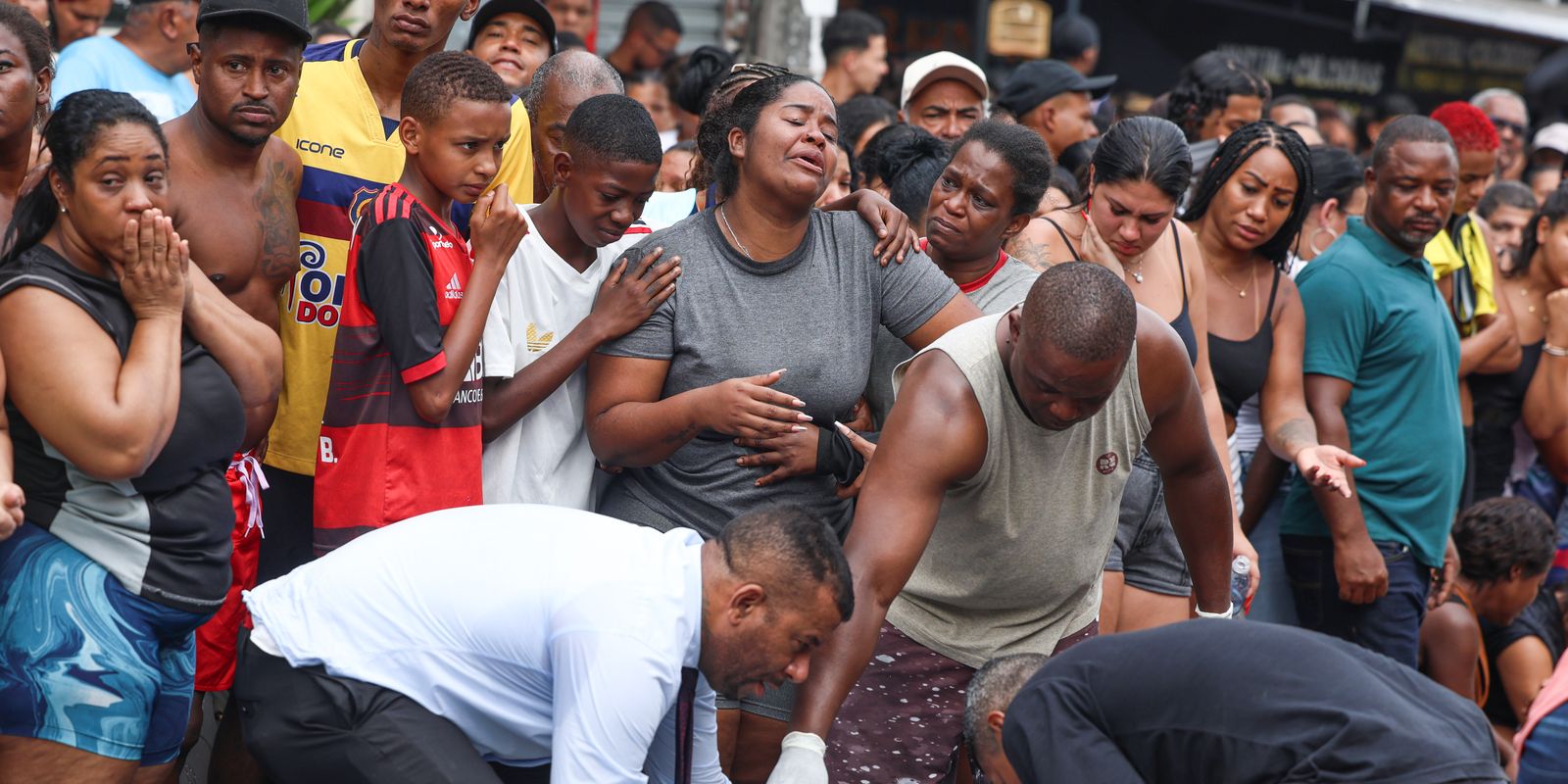
Bodies lined up. Drones dropping explosives. Armored vehicles and rifles. Vehicles on fire. Buses crossed the streets, blocking the advance of police vehicles. Tracer ammunition streaking the sky over the Alemão and Penha complexes, in the north of Rio de Janeiro.
The images recorded last Tuesday (28), the day that state security forces launched, in Rio de Janeiro, the so-called Operation Containmenttraveled the world. Evoking a scenario of urban warfare, they highlighted the vulnerability of the population. And they reinforced the conclusion of several studies: in addition to the immediate consequences, urban violence has lasting effects, also damaging the mental health of people directly or indirectly exposed to the feeling of lack of security.
According to experts interviewed by Brazil Agencyby transforming fear into a state of permanent alert, urban violence affects the functioning of the nervous system, harming the psychosocial development, especially of children and adolescents. In particular, those forced to live with frequent shootings in regions controlled or disputed by criminal organizations.
Stress
“Exposure to urban violence can create a very high level of stress, affecting people’s health,” said psychologist Marilda Lipp, a reference in studies on stress.
For her, the search for feeling safe is one of the most basic needs of human beings, second only to physiological needs (breathing, eating, drinking, sleeping). Thus, the feeling of personal, family or community insecurity tends to cause serious emotional disturbances which, depending on the case, can cause symptoms associated with chronic anxiety or depression (tachycardia, high blood pressure, gastrointestinal problems, sleep and appetite disturbances, irritability and concentration difficulties, among others).
“The stress response is physiological. When feeling threatened, people’s brains release substances [hormônios] that prepare them to flee or face danger – that is, to fight. Therefore, we affirm that a certain level of stress is normal. The point is that no body, no mind, can handle being on permanent alert as happens with people repeatedly exposed to violence or threats”, observed the psychologist.
For Marilda, the reactions and consequences of exposure to violence and the feeling of insecurity vary from person to person, depending on the meaning that each person gives to the facts they experience directly or indirectly.
“Still, it is not entirely wrong to say that people subjected to high levels of stress, on a recurring and prolonged basis, are likely to become ill. Even the so-called secondary victims, people who are not directly exposed to the risks, nor have relatives, friends or people close to them threatened, even they can be affected to some degree and feel powerless and helpless”, added the psychologist.
Creator of the so-called Stress Control Training, a self-treatment model that she developed from other approaches, Marilda argues that the Public Authorities should offer the population training to deal with stress in a healthier way.
“Without mentioning the political and structural aspects of the issue, which need to be addressed, I believe that this would help a lot of people, especially those who are unable to pay for a psychologist or a psychiatrist or who are slow to find the necessary care from these professionals in the public network”, highlighted the psychologist, arguing that the training could be offered in health units of the Unified Health System (SUS) and schools. “It is very important that we teach our children to deal better with stress”, he concluded.
Collective
Associate professor at the Institute of Psychiatry at the Federal University of Rio de Janeiro (UFRJ), psychiatrist Octávio Domont de Serpa Júnior guarantees that the demand for health services always increases after the occurrence of events that generate commotion and increase the feeling of insecurity.
“In Rio de Janeiro, for some time now, we have noticed that these situations impact demand in the primary care network, which is the gateway to the public health network. Therefore, I believe that many people who were directly or indirectly exposed to what happened in the Alemão and Penha complexes this week will end up looking for a health unit in the coming days, if they have not already done so”, commented Domont, highlighting that the issue transcends individual suffering.
“There is also collective suffering. This is a structural, political and social issue that we cannot ignore. Without a response that does justice to this collective dimension, this problem will continue to impact everyone”, stated Domont.
“It is important that health professionals are able to respond promptly, welcoming and offering appropriate care to both direct victims of violence and those who witnessed it. Even so that the symptoms do not become chronic. Especially given the real possibility that many of these people will be exposed to this type of situation again, since, apparently, there is, to date, no solution to the public safety problem in sight”, concluded the psychiatrist.