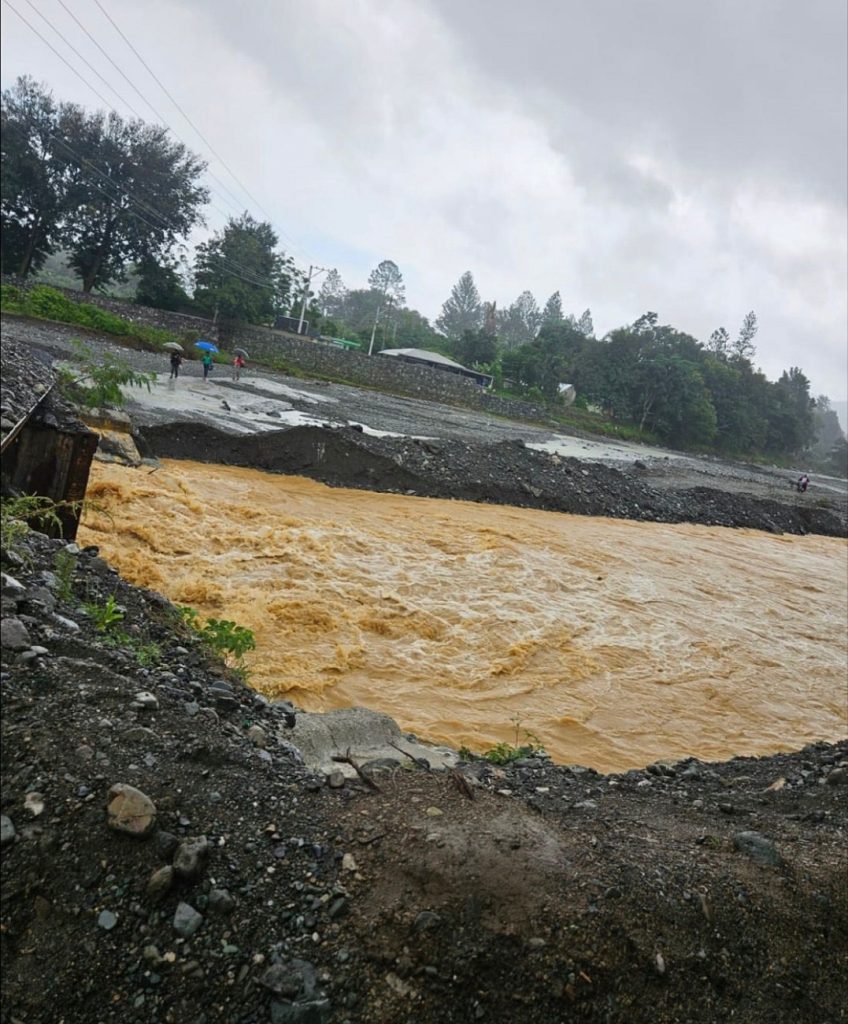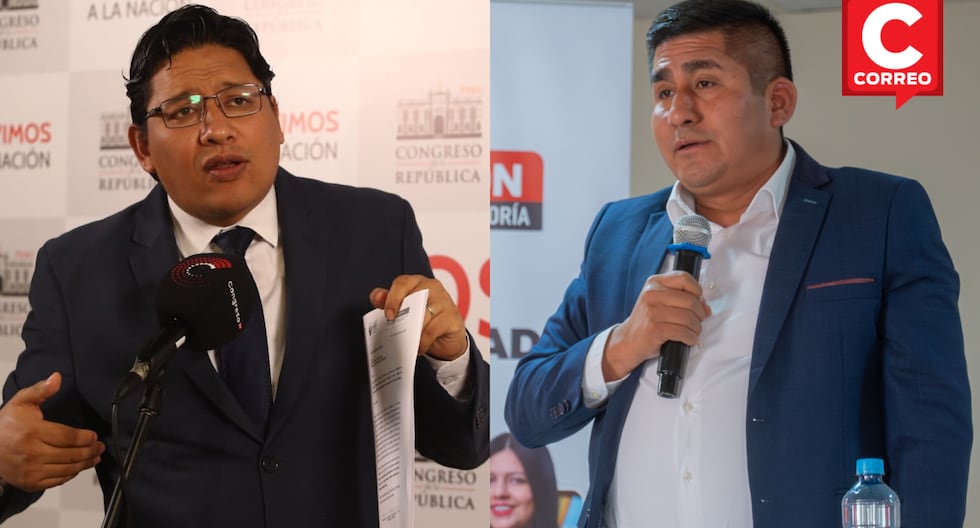
The fourth decentralized session of the Congressional Oversight and Comptroller Commission, held in the district of Aco (Concepción), was marked by the confrontation of positions between Congressman Ilich López, third vice president of Parliament, and the regional governor of Junín, Zósimo Cárdenas, regarding delays in the execution of public works and the management of regional resources.
López demanded from the governor “transparency, responsibility and clear communication with citizens,” criticizing his statement about avoiding “protagonism” in dialogue spaces.
“The only role that should exist is that of the completed works for the benefit of the population”The legislator replied, indicating that the inspection does not seek political confrontation, but rather to guarantee that public management works efficiently and honestly.
The parliamentarian questioned the delays in the Chupaca-Sicaya-Aco-Vicso highway and in the road work in the Aco district, paralyzed shortly after its launch.
“If a work is installed in December and suspended in January, something is not working. The population deserves to know the reasons, the deadlines and the new restart dates,” He emphasized, he also talked about other works.
In turn, the president of the Commission, Elvis Vergara Mendoza, supported López’s position and recalled that the governor was formally summoned to explain the situation.
“If he did not attend, he would be summoned by rank or force,” said. Vergara maintained that Cárdenas “lied to Congress” in his previous exhibition in Lima and asked for a real commitment to unlock the works.
For his part, Governor Zósimo Cárdenas defended his management and called for joint work.
“Congress must work for the people”he stated, pointing out that between 2023 and 2024 Junín stopped receiving more than S/ 95.8 million from the Regional Compensation Fund (Foncor), which affected the continuity of several projects.
He proposed coordinating between the Ministry of Economy (MEF), Congress and the Regional Government to reactivate investments in health, education, transportation and sanitation.
“The objective is that the resources arrive on time; each sol executed means a service that is not postponed,” expressed Cárdenas, who highlighted the start of three works in Pariahuanca and announced the water work in Acobamba.