Trinidad and Tobago has strengthened his rapprochement with the United States in the middle of military deployment ordered by Donald Trump in the Caribbean Seadecision that Venezuela consider a sample of subordination to “American interests” what are they looking for overthrow Nicolas Maduro.
Trinidad and Tobago it’s a island territory of 5,131 km²separated from Venezuela by 11 km at its closest point.
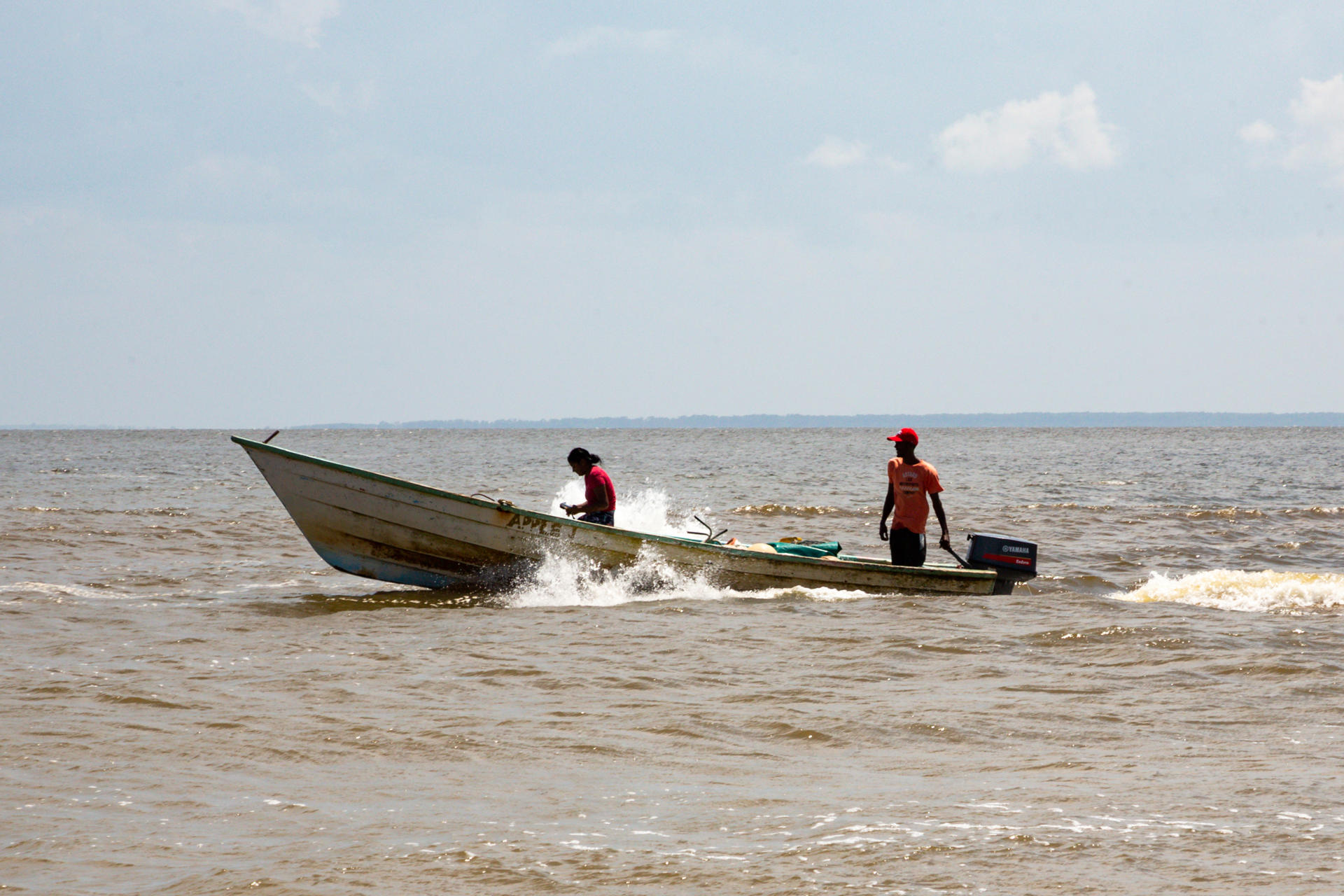
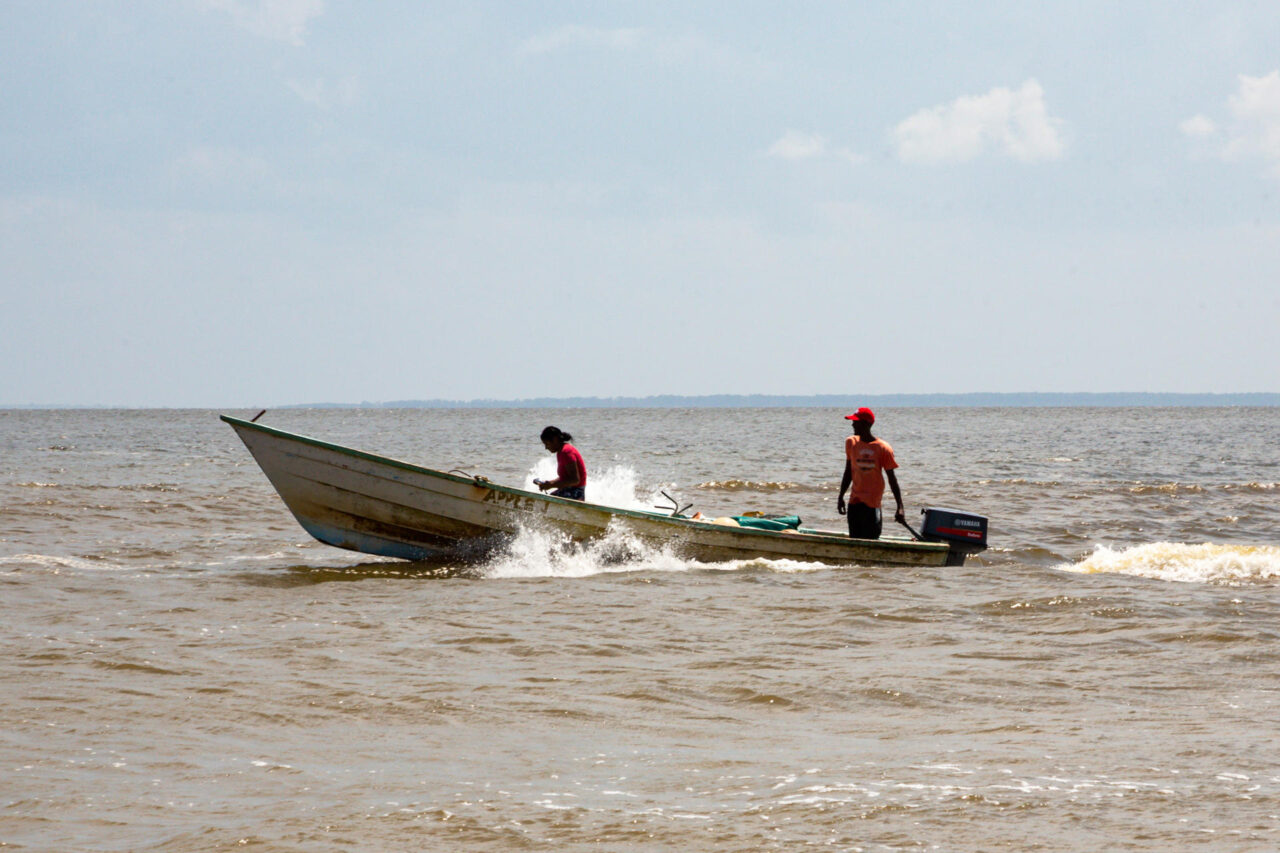
He narrow canal that separates both countries, sharing the Gulf of Pariais migratory and smuggling routealthough the US military deployment makes sea travel difficult.
He Maduro government described the military exercises as “provocation”while the Ministry of Foreign Affairs of Trinidad and Tobago assures that they are for combat drug trafficking.
Ripe authorized the immediate suspension of gas agreements with Trinidad and Tobago and the National Assembly of Venezuela declared persona non grata to the prime minister Kamla Persad-Bissessaraccusing her of participating in a systematic plan to attack sovereignty Venezuelan.
Relations between Venezuela and Trinidad and Tobago
Mariano de Albaresearcher of International Institute for Strategic Studiesstated that the Relations between Port of Spain and Caracas are going through a low point.
Trinidad and Tobago has shown willingness to abandon neutralitywhile the Trinidadian Prime Minister agreed with the US joint measures so that Caribbean gas does not significantly benefit Venezuelaand squeezed energy relations with Guyana, Grenada and Suriname.
De Alba recalled that The US has carried out military exercises in other Caribbean countriesas before invasion and overthrow of Manuel Antonio Noriega in Panama (1990).
Implications of the US exercises
The expert pointed out that the military deployment in Trinidadian waters does not violate the principle of non-interventionbut tension increases between Venezuela and Trinidad and Tobago and in the Caribbeanfunctioning as logistical platform to militarily intimidate another country.
This could generate political, diplomatic and economic movements in the region, as well as increased migration due to the risk of armed conflictconcluded de Alba.