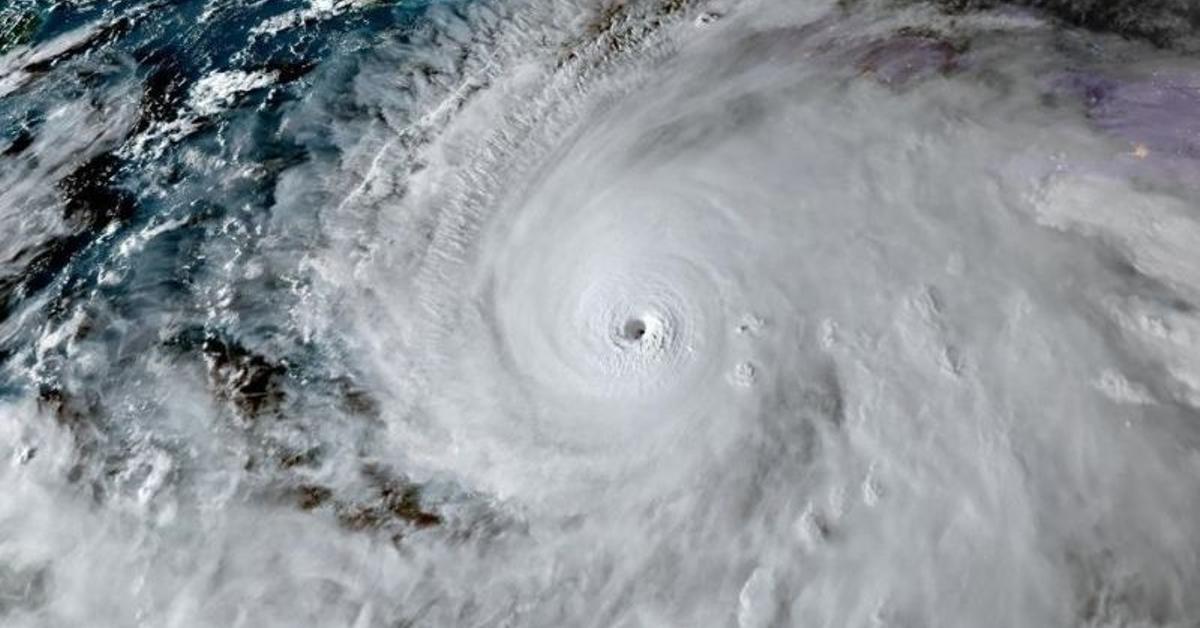
Madrid/ Havana/The powerful Hurricane Melissa, with category 3 on the Saffir-Simpson scale, made landfall in eastern Cuba at 3:05 this Wednesday accompanied by strong winds, heavy rains and a large storm surge.
According to the National Hurricane Center (CNH) of the United States, Melissa has made landfall with winds close to 195 kilometers per hour near Chivirico, near Santiago de Cuba.
The Meteorological Institute (Insmet) of Cuba predicts that the hurricane, whose center is moving at 17 kilometers per hour, will move in a northeasterly direction, with sustained winds of more than 200 kilometers per hour, rains that could leave up to 450 milliliters (liters per square meter) and storm surges with waves of up to eight meters.
After between six and eight hours on land, the forecast estimates that Melissa will go out to sea in the municipality of Banes, although its effects will continue to be felt in Cuba for another eight or ten hours.
The authorities have warned that this is an “extremely dangerous” system due to the probability of sudden flooding, landslides, sea penetration into low coastal areas, landslides and even dam breaks.
In the six provinces in cyclone alarm (Granma, Santiago de Cuba, Guantánamo, Holguín, Las Tunas and Camagüey) 735,000 people have been evacuated or protected, most of them in the homes of family and friends, although some also in shelters. They represent more than 7.5% of the total population.
In addition, public land, sea and air transportation has been paralyzed throughout the eastern region; Teaching activity has been suspended and state infrastructure and crops have been secured.
Two of the country’s seven thermoelectric plants, the backbone of the National Electric System (SEN), have already stopped for safety reasons, as they are in the path of Melissa and due to fear that they will suffer damage. It must be taken into account that these are obsolete infrastructures with a chronic investment deficit.
The last category 5 hurricane to hit Cuba was Irma in 2017, which left 10 dead and damages of about $13 billion. The most recent cyclone that affected Santiago de Cuba was Sandy, in 2012, which caused 11 deaths and severe damage to the city.