After 30 days since the first nine cases of suspected poisoning due to the presence of methanol in drinks were disclosed, on September 26, several measures were taken by public bodies. Testing became faster, confirming or discarding suspected cases at an intense pace.
Hub hospitals were organized, even outside areas with confirmed contamination, such as in states in the North and Central-West regions. The Toxicological Information and Assistance Centers (Ciatox), the first alert network, took the lead in detection, while health surveillance and the police acted in places of sale and consumption.
Even without being able to prevent all new cases, a probable origin was found: counterfeiting of drinks led to contamination as fuel alcohol was used, which in turn was also adulterated and contained methanol.
Of the cases initially released by the National Secretariat for Drug Policies and Asset Management (Senad), of the Ministry of Justice and Public Security, following an alert from Ciatox in Campinas (SP), until revelation of positions at ABC São Paulo they sold the adulterated fuel for twenty days. Enough for 58 cases of contamination and 15 deaths, the majority in the state of São Paulo.
There is still no confirmation whether the cases in other states, mainly Paraná and Pernambuco, also involve counterfeit products in the metropolitan region of São Paulo.
On September 26, Ciatox already attributed the cases to the ingestion of adulterated alcoholic beverages, and to more than one type of distilled beverage. The cases were then considered “outside the standard for the short period of time and also because they deviate from the cases reported to date of methanol poisoning”.
Even with this initial warning, consumption was not immediately affected and the case only gained attention in the media during the following week, when states began to mobilize health surveillance, procons and police.
The actions were integrated on October 7th, when the federal government created a committee to deal with the problem. On the same day, the second shipment of pharmaceutical ethanol to the hub hospitals and the acquisition of another antidote, the compound medopizole, were announced. The actions sought to reverse the increase in staff and allow emergency teams to act quickly.
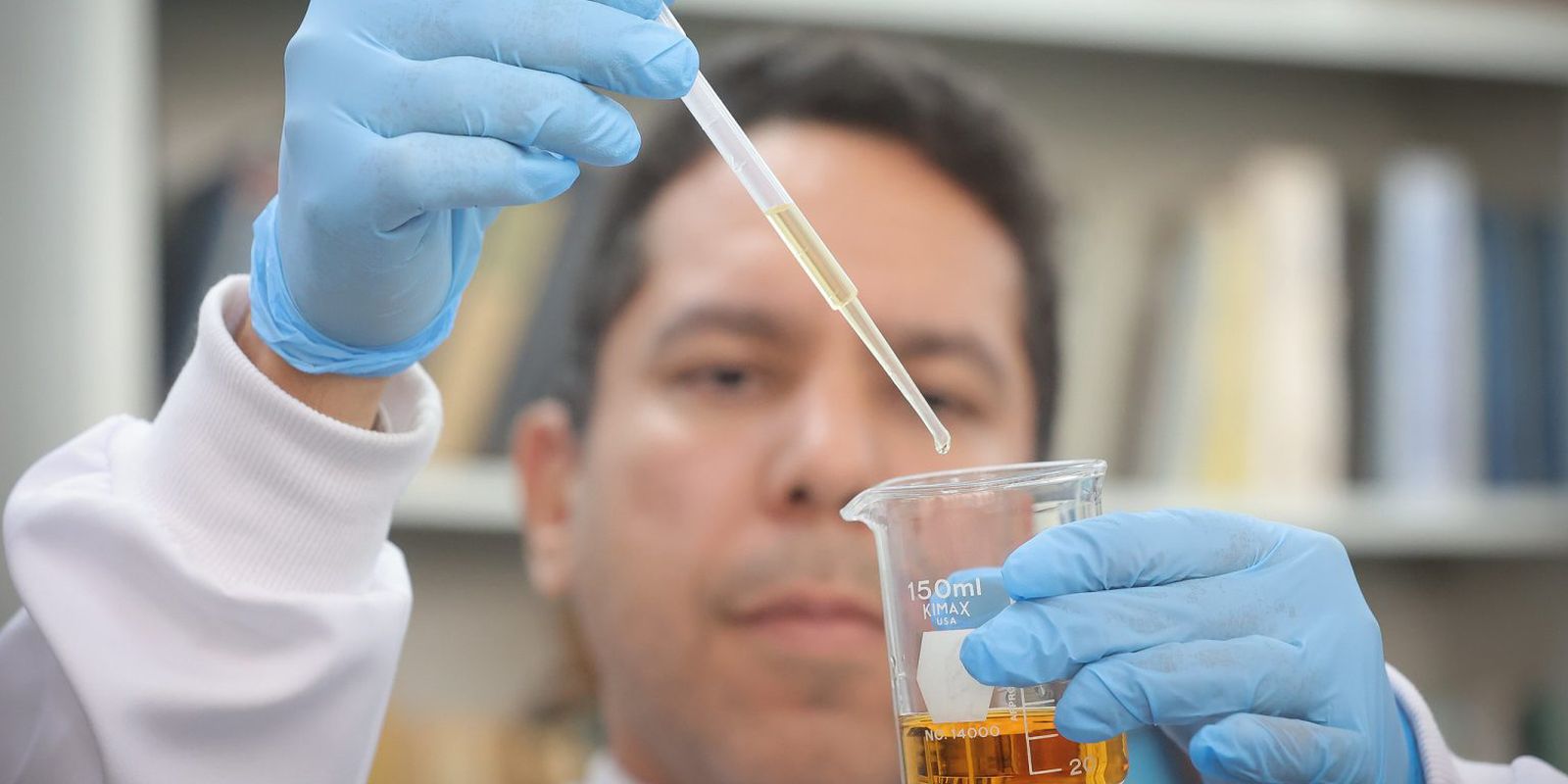
In the same week, on the 8th, the Criminalistics Institute of the Scientific Police of São Paulo confirmed that the methanol found in contaminated bottles examined it was added, as its concentration was abnormal and far above that found in natural distillation processes. The following day, the 9th, the São Paulo Technical-Scientific Police began adopting a new protocol for identifying adulterated drinks, reducing analysis time, while the inspection teams brought in more and more containers from the fines.
The state has two centers of excellence, Ciatox in Campinas and the Forensic Analytical Toxicology Laboratory (Latof) at the University of São Paulo (USP), in Ribeirão Preto.
Integrated action allowed faster responses from state laboratories and reduced the impact on commerce, which saw a decrease of up to 5% in consumption in September alone, according to Abrasel, an employers’ association in the bar and restaurant sector.
Twenty-one days after the first alert, on October 17, an operation by the São Paulo Civil Police found the two stations where the methanol fuel came from, following a case of a man who had consumed the counterfeit drink and is currently hospitalized in a serious condition in the Saúde neighborhood, south zone of the capital of São Paulo. The police had found, days before, the beverage distributor where the fake products were packaged.
“The first cycle has been completed. We will continue our efforts to identify the origin of all adulterated drinks in the state”, said the general delegate of the Civil Police, Artur Dian.
The investigations are still continuing. In the meantime, universities worked and delivered quick solutionssuch as the “electronic nose” developed by researchers at the Information Technology Center at the Federal University of Pernambuco (UFPE), which can identify the presence of methanol in alcoholic beverages. A single drop of the drink is enough for the equipment to recognize strange odors in relation to the original drink.
“The electronic nose transforms aromas into data. This data feeds the artificial intelligence that learns to recognize the scent signature of each sample”, Professor Leandro Almeida, from the Information Technology Center, explained to Agência Brasil.
In the last bulletin released, on Friday (24), 58 cases were confirmed and 50 were under investigation. Until then, 635 notifications had been discarded. The death toll reached 15, nine in São Paulo, six in Paraná and six in Pernambuco. Nine more deaths were still under investigation: four in Pernambuco, two in Paraná, one in Minas Gerais, one in Mato Grosso do Sul and one in São Paulo. 32 death notifications that were under investigation were discarded.
The topic has also encouraged actions by the legislative branch. In the capital of São Paulo, a CPI will begin its work tomorrow, listening to state authorities about efforts to combat counterfeit drinks. In the Chamber of Deputies, can vote this week PL 2307/07, which makes the adulteration of food and drinks a heinous crime.