Trinidad and Tobago, in addition to the American destroyer it received, awaits the arrival of the 22nd Expeditionary Unit of the US Marine Corps. The vice president of Venezuela, Delcy Rodríguez, proposed breaking the gas agreements with Trinidad and Tobago
The Ministry of Foreign Affairs of Trinidad and Tobago denied that the military exercises being carried out these days by the US Navy in the country against drug trafficking in the Caribbean Sea are also intended to provoke hostilities against Venezuela.
“The Government of Trinidad and Tobago has said, on repeated occasions, that it values the country’s relationship with that of Venezuela, both for its shared history and for its close and fraternal relationship,” the Trinidadian Ministry of Foreign Affairs said in a statement.
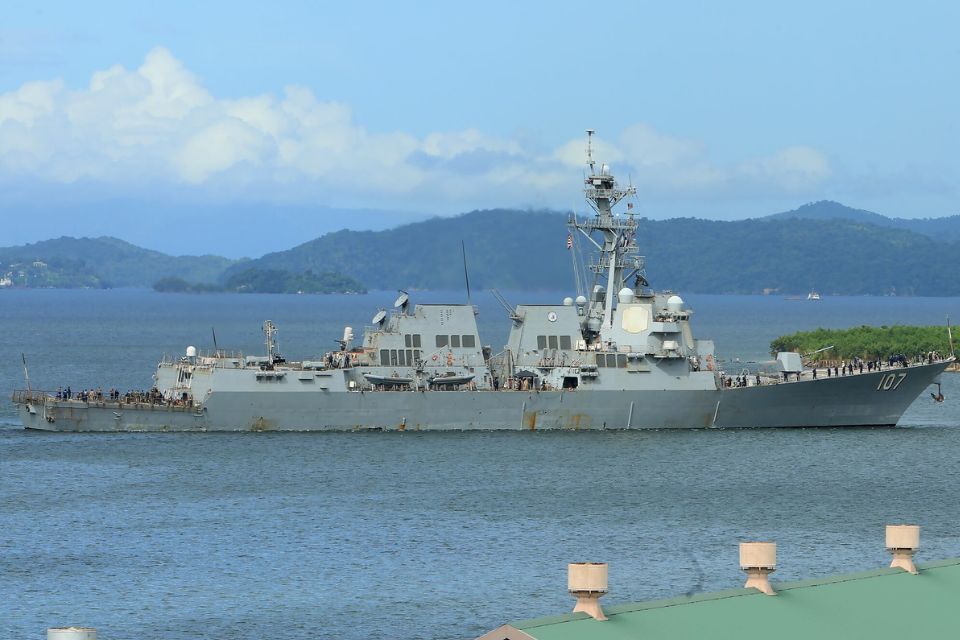
The agency’s statements were given in a press release on the night of Sunday, October 26, hours after the US Navy destroyer USS Gravely will arrive in Port of Spaincapital of Trinidad and Tobago, to carry out military maneuvers until October 30, as confirmed by official sources.
In the same note, the Trinidadian Ministry of Foreign Affairs insisted that the true purpose of the US military presence in its territory is to support the fight against transnational crime, accentuate humanitarian collaboration and security cooperation in the area.
In addition to the destroyer, the 22nd Expeditionary Unit of the US Marine Corps is expected to arrive in Trinidad and Tobago.
For her part, the Prime Minister of Trinidad and Tobago, Kamla Persad-Bissessar, has expressed her support for the deployment of military troops by the US to fight drug trafficking.
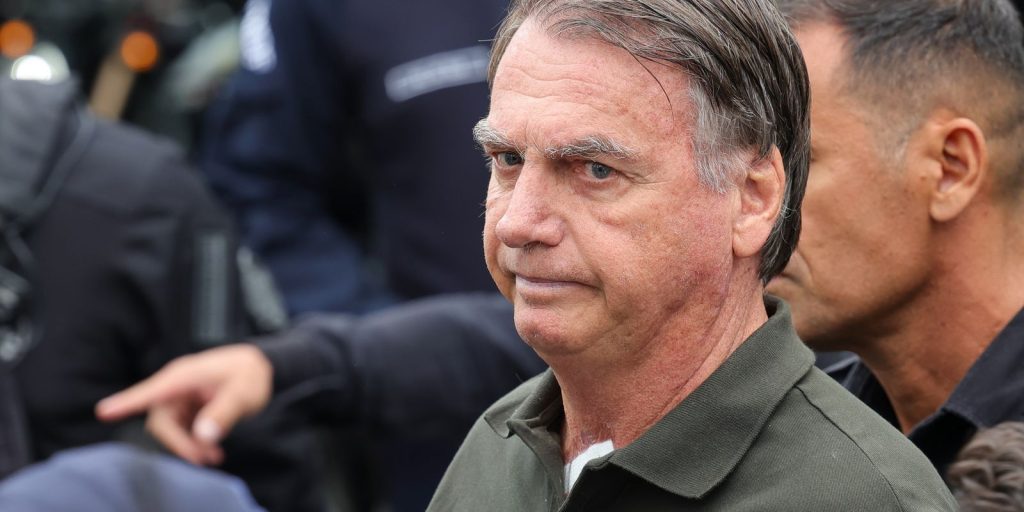
The arrival of the destroyer, however, has been criticized and condemned by the Vice President of Venezuela, Delcy Rodríguez, for the US military plan to carry out its training alongside the Trinidad and Tobago Defense Force, who proposed suspending the gas agreements that Venezuela maintains with Trinidad and Tobago.
*Read also: Rodríguez proposes suspending gas agreements with Trinidad after US exercises
With information from EFE
*Journalism in Venezuela is carried out in a hostile environment for the press with dozens of legal instruments in place to punish the word, especially the laws “against hate”, “against fascism” and “against the blockade.” This content was written taking into consideration the threats and limits that, consequently, have been imposed on the dissemination of information from within the country.
Post Views: 143