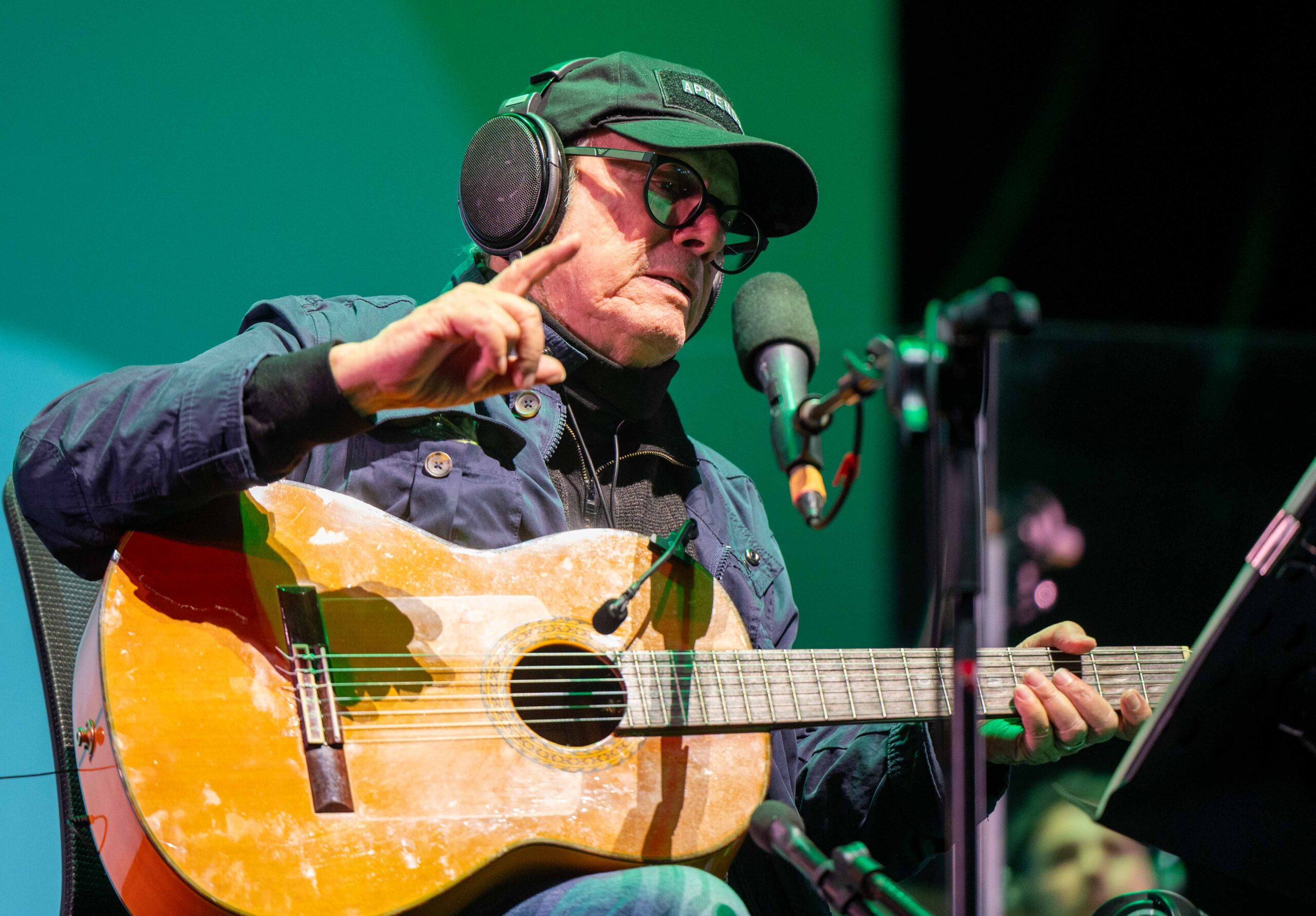
“The virtue of songs is that they accompany,” I heard Silvio Rodríguez say at the end of the sound check, in Lima, when a group of followers stopped him to thank him “for his songs, for being the soundtrack of his life,” a boy told him, visibly moved. Perhaps that is the most repeated praise on this tour, which has already passed through Chile, Argentina, Uruguay and Peru, and will soon continue in Colombia.

However, no matter how much he hears it over and over again, the troubadour doesn’t seem to get used to it. Every time someone says it to him, his face is a mixture of modesty, tenderness and genuine gratitude, as if that phrase—so simple and so true—reminded him, again and again, of the true meaning of his job.
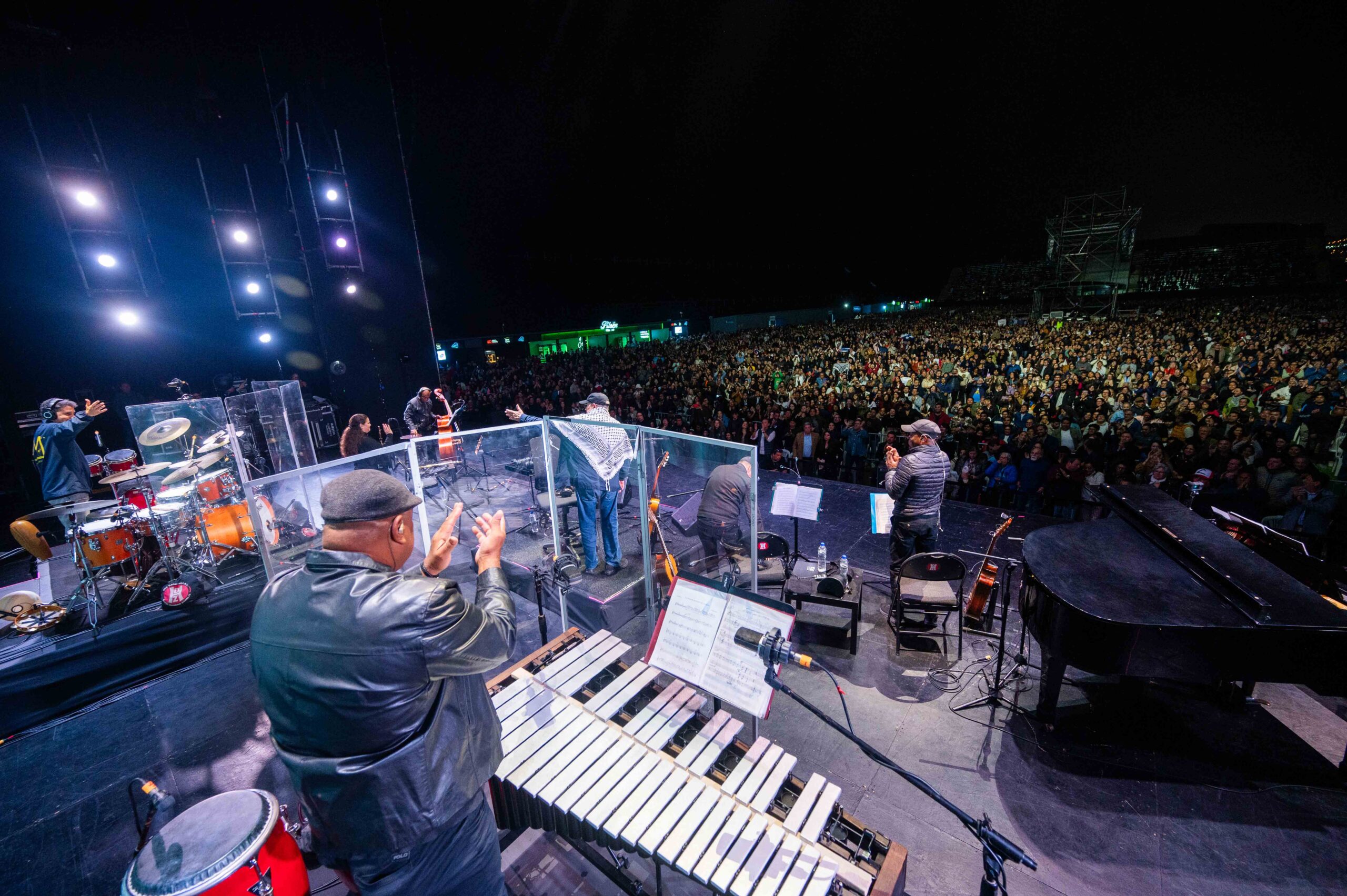
That night in Lima – the eleventh of the Latin American tour – it was precisely his songs that accompanied more than ten thousand people gathered at the Multiespacio Costa 21, meters from the Pacific Ocean, under a crescent moon that appeared in front of the cliffs of the Lima neighborhood of San Miguel. An open stage, flanked by the sound of the sea and the salty breeze.
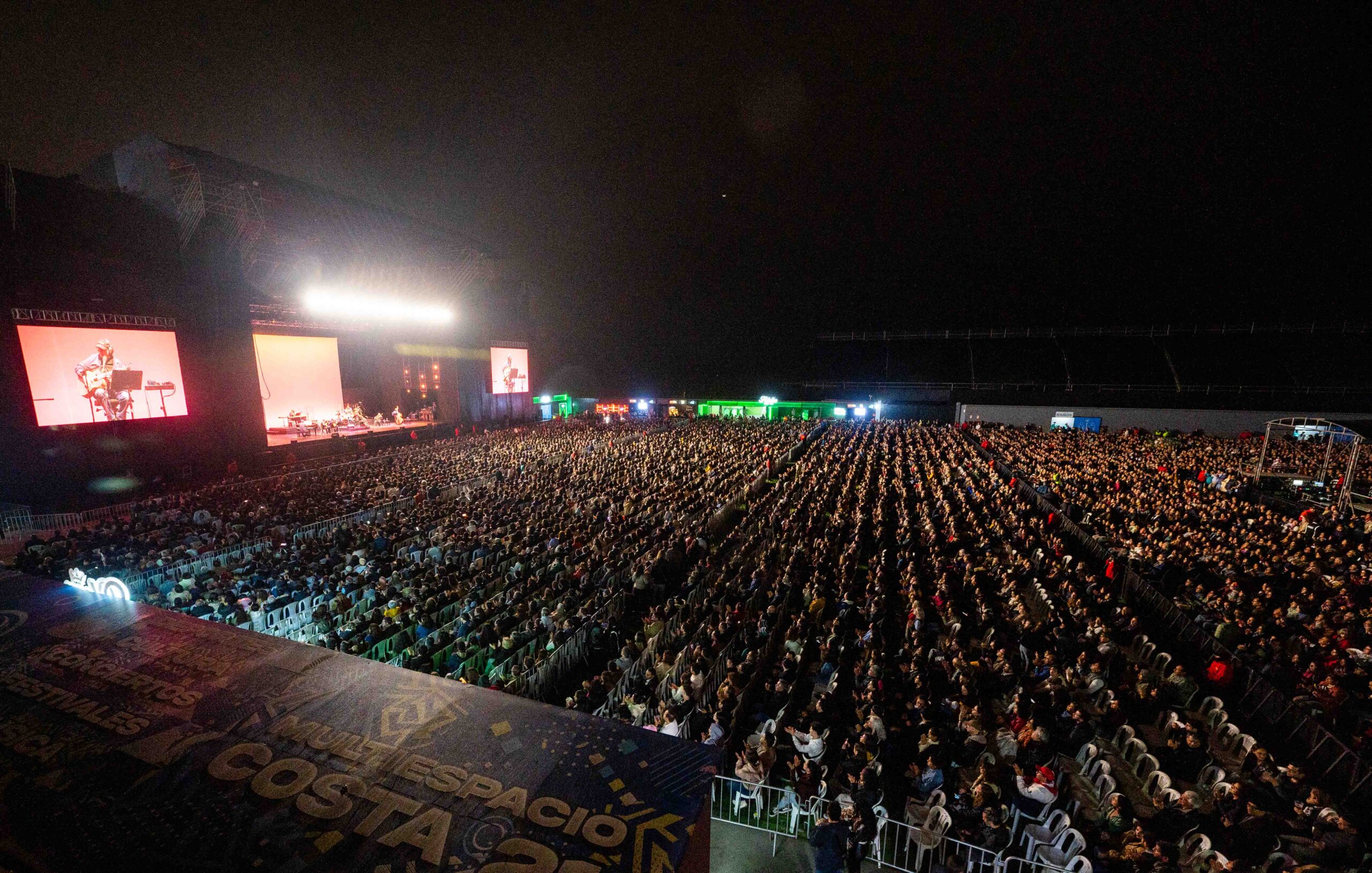
Silvio’s return to Peru, after twelve years of absence, was not without surprises. Just a few hours before landing in Lima, the government chaired by José Jerí decreed a state of emergency in the capital and Callao, in response to the increase in violence and crime. The measure, which empowered the authorities to restrict constitutional rights and suspend massive events, called into question the holding of several international shows scheduled in the city these days: among them, those of Linkin Park, Shakira, Guns N’ Roses, Cristian Castro… and Silvio Rodríguez.
The uncertainty, however, was short-lived. The local production company Kandavu released a statement confirming that the concert on October 25 would take place as normal:
“There is no curfew, and the event complies with all current legal and operational requirements. See you this Saturday to enjoy together a unique night, where music and poetry will be the true protagonists.”
And they were.
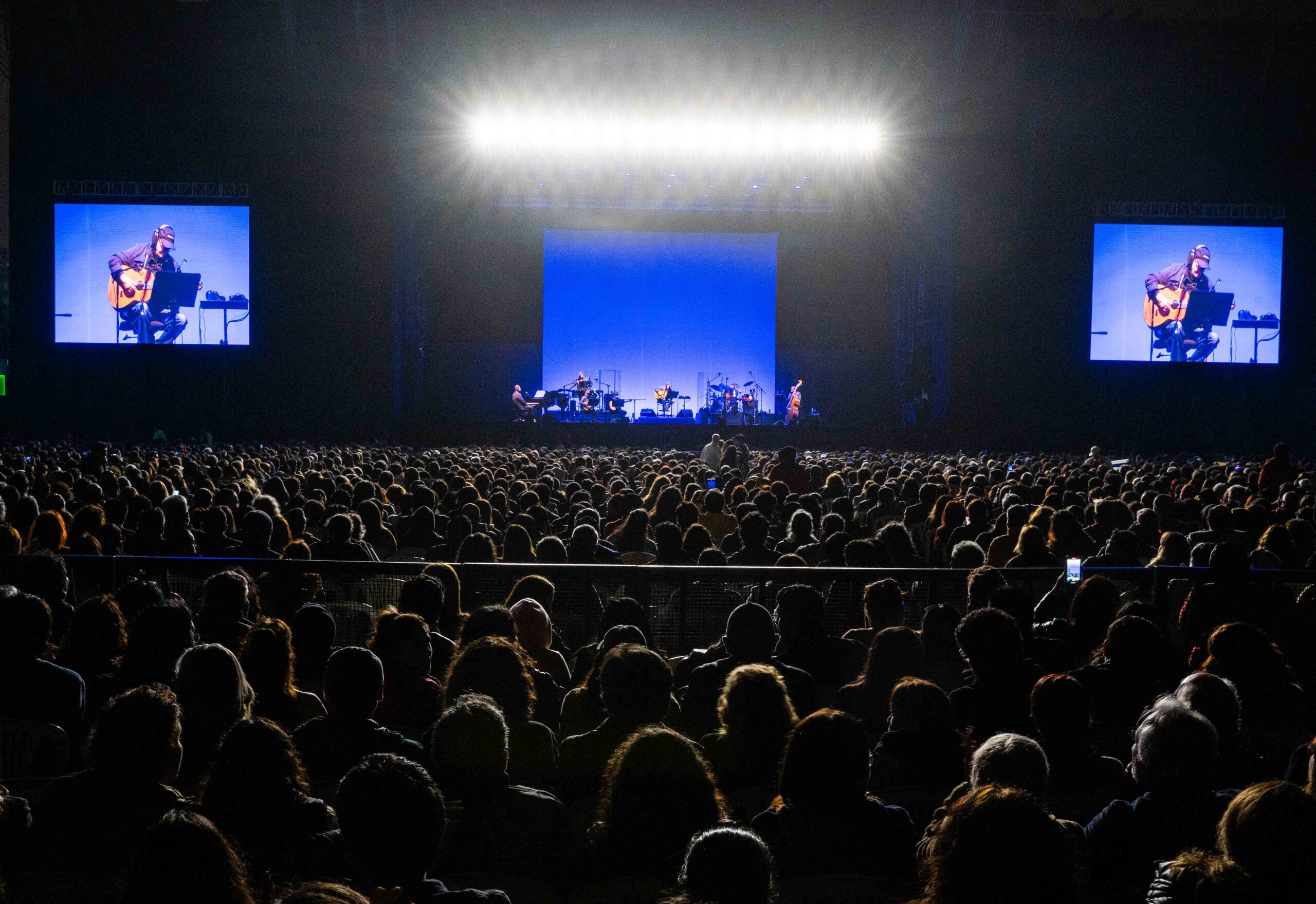
A few minutes after 9 pm, with the sky clear, Silvio took the stage. The applause was long, vibrant. In the land of the poet César Vallejo—who, along with José Martí, most influenced his youth—the troubadour was reunited with a warm and devoted public. There was not a single incident, not even in the surrounding area, where dozens of people gathered on the nearby cliffs to hear, even from a distance, the Cuban’s voice.
A gem for showbiz lovers: among the audience, attentive and singing all the songs, was Christian Castrothe popular Mexican singer who had performed on the same stage the night before. When the author of “Blue” and “Raining stars” He found out that Silvio would play the next day, he didn’t hesitate: he got tickets and decided to stay in Lima to see him live.
The program did not differ too much from the one Silvio has been presenting on this tour, although it included subtle variations in the order. After an introduction with fragments of traveling teachersby Martí, opened with “Ala de Hummingbird” and immediately surprised with “History of Chairs”, setting the introspective tone of the night.
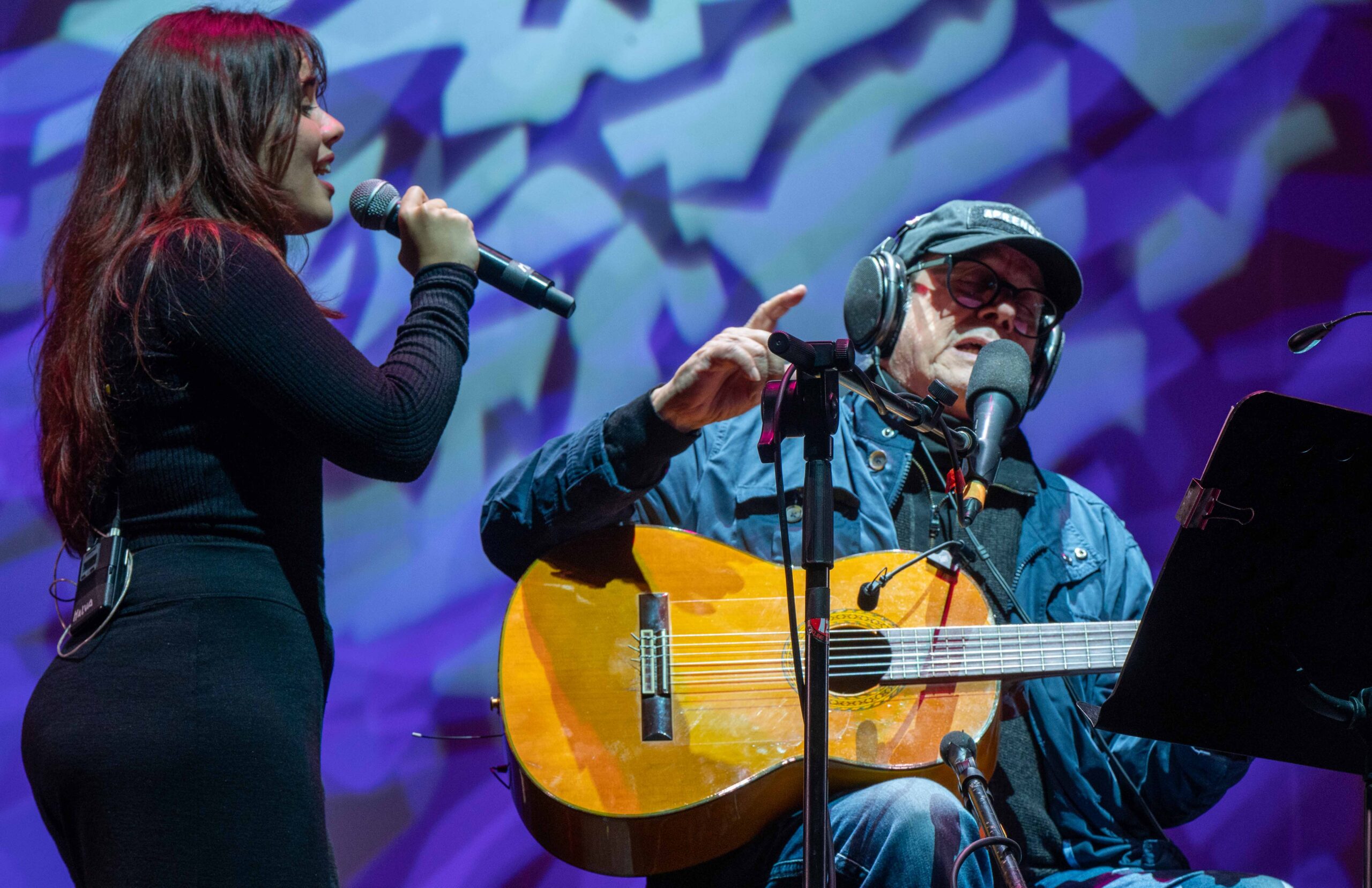
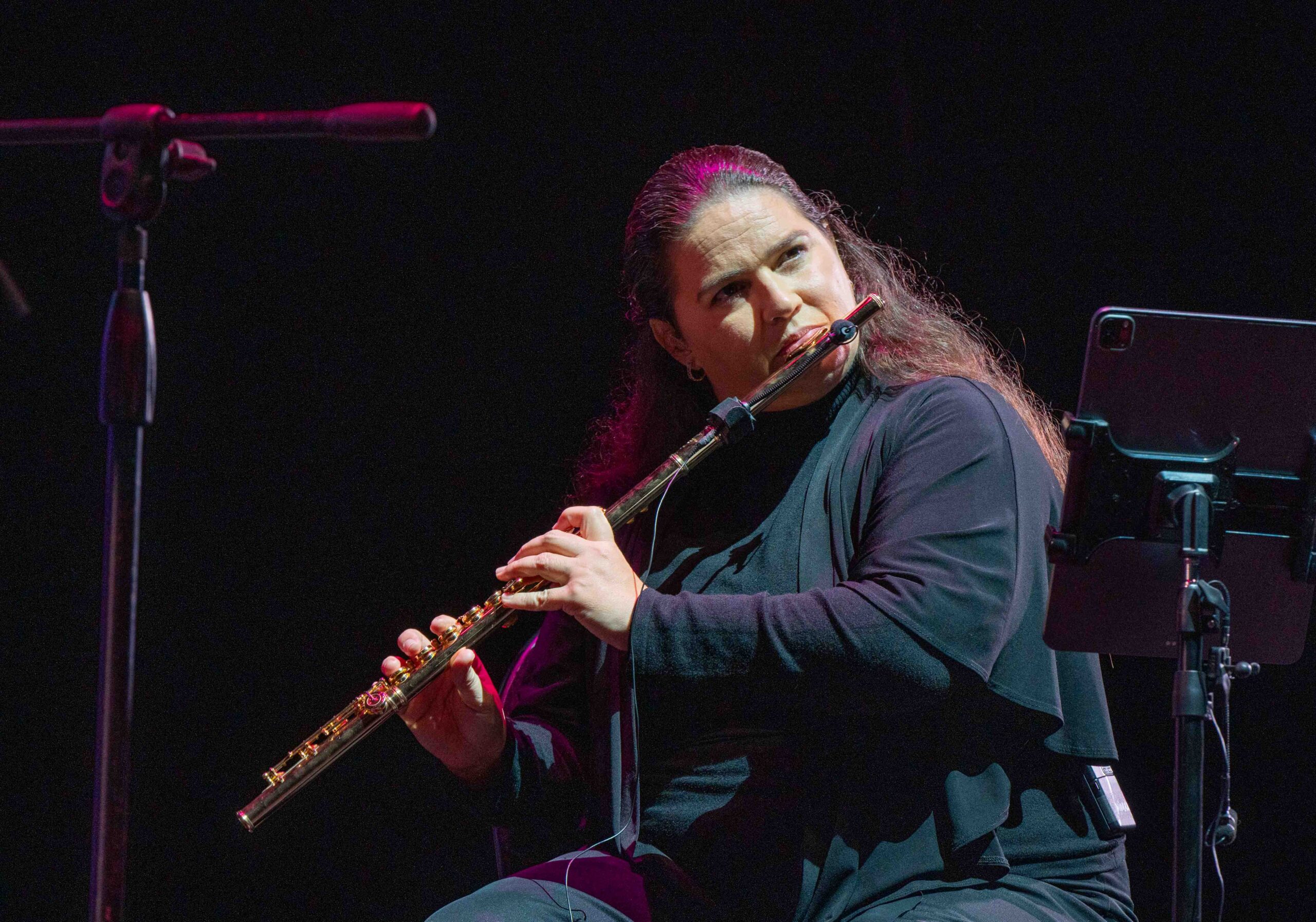
Since then, music flowed like a river of memories: the songs from the new album I wanted to know They were intertwined with classics from different stages. “I Dream of Snakes”, “Western Virgin”, “The Thing is Coming”, “Goodness and Its Reverse”, “Little Daytime Serenade”, “Our After”, “Cassiopeia” and “Tone of Will” were played.
One of the most emotional moments came with the trilogy of tributes to his generation brothers: “Créeme” (by Vicente Feliú), “I forgive you” (by Noel Nicola) and “Yolanda” (by Pablo Milanés). It was a moment of gratitude and communion; The three songs sounded like a declaration of fidelity to the memory of those who forged, together with him, the Nueva Trova Cubana.

The night progressed with “Más porvenir”, dedicated to Pepe Mujica and Lucía Topolansky, and continued with “Eva”, “Song of the chosen one”, “Who was it” and “Te amaré”. In another of the most intense passages, he recited the poem “Halt!” from his friend Luis Rogelio Nogueras, to then link with “The era is giving birth to a heart”, in a bridge that united poetry and resistance.
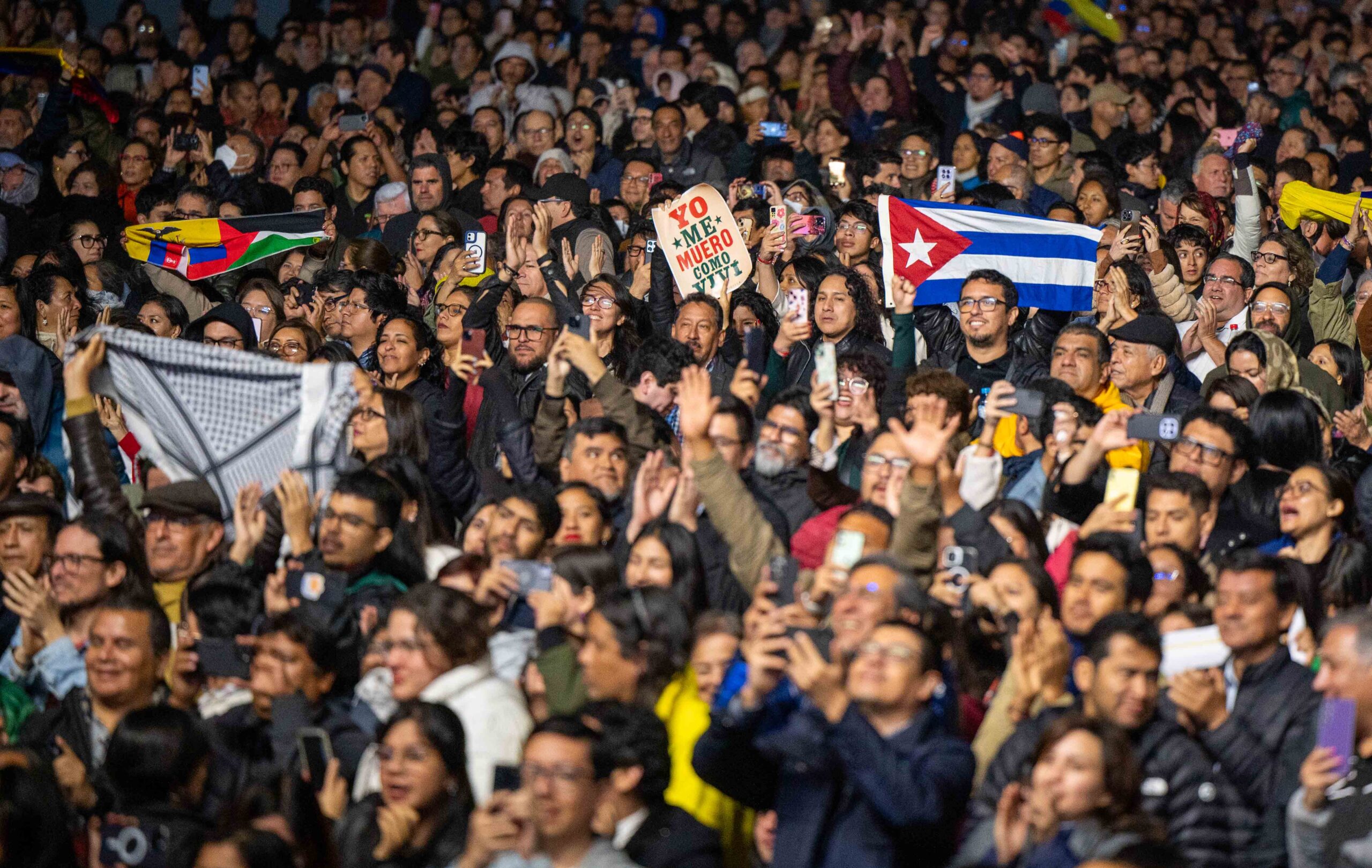
The closing was with “Ángel para un ending”, but the insistent applause forced him to return again and again. The encores were a journey through their poetic coherence: “Hopefully”, “The Necio”, “Unicorn” and “Venga la Esperanza”, interpreted as a shared desire between artist and audience. Each return to the stage was a renewed pact, a way to prolong the spell.

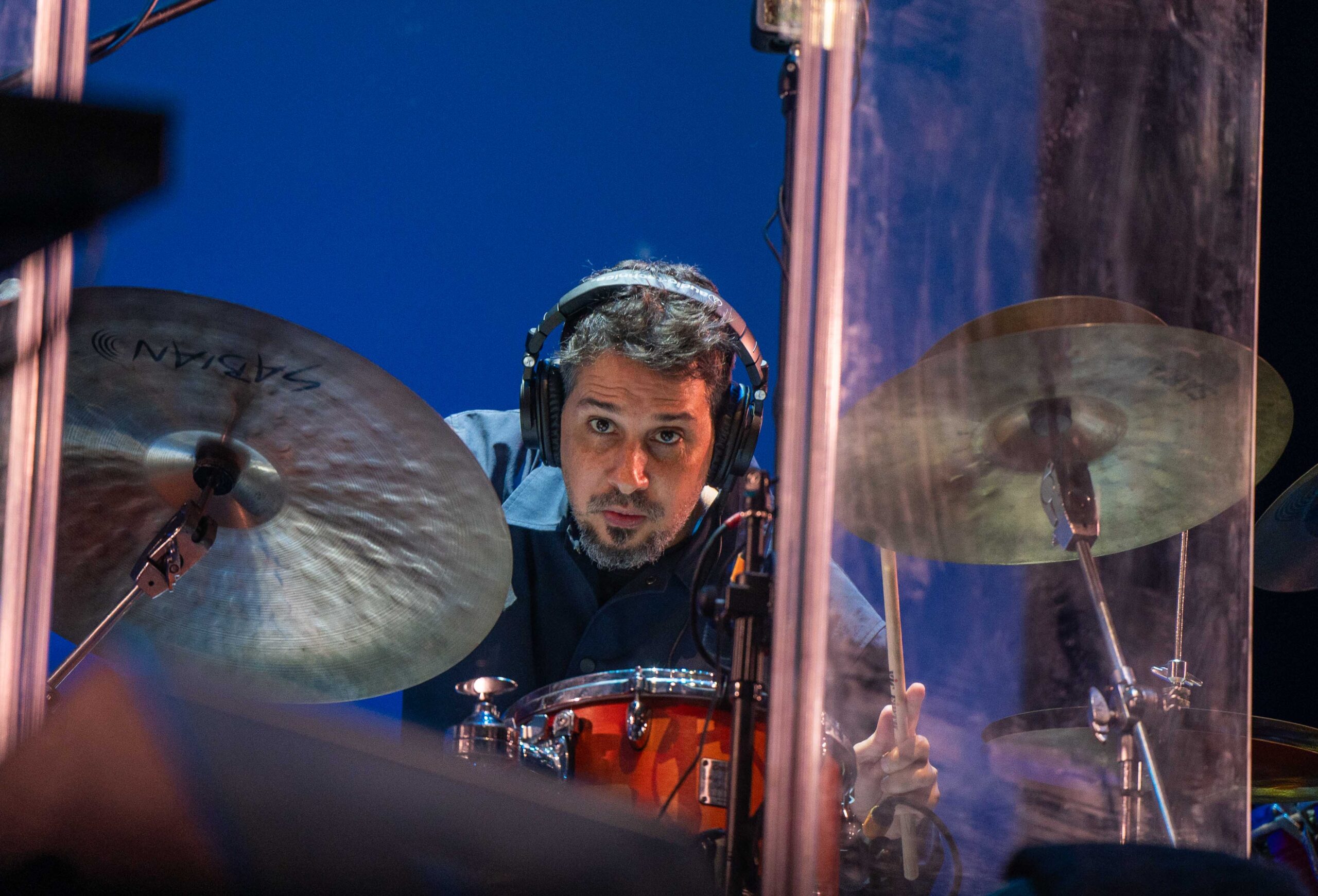
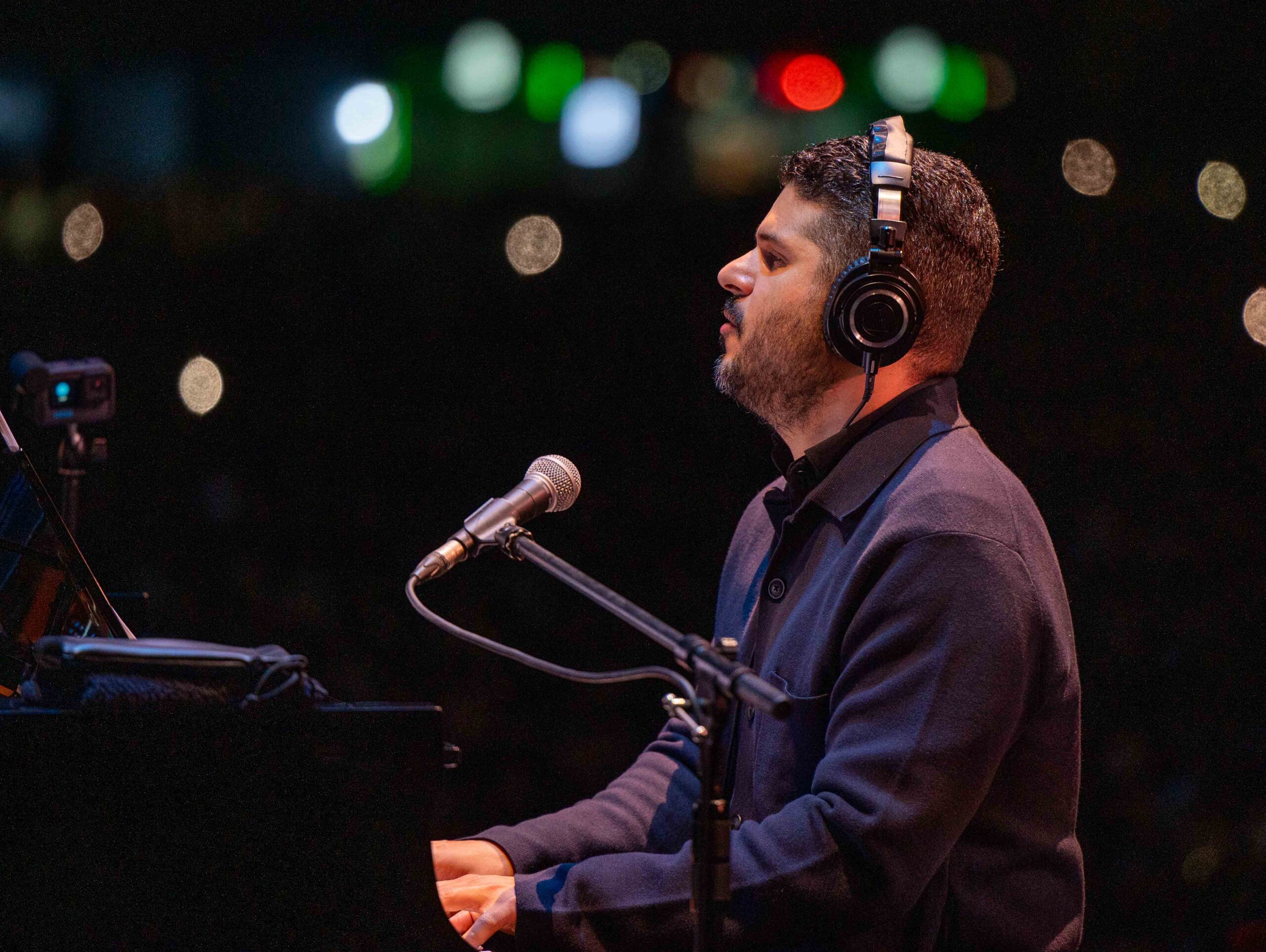
The last outing was not to sing another song, but to give thanks. Silvio advanced to the stage accompanied by his band—Rachid López, Maikel Elizarde, Niurka González, Oliver Valdés, Jorge Reyes, Jorge Aragón, Emilio Vega and Malva Rodríguez—and together they applauded the audience. It was a mirror closing: the artist returning the ovation he had received for more than two and a half hours.
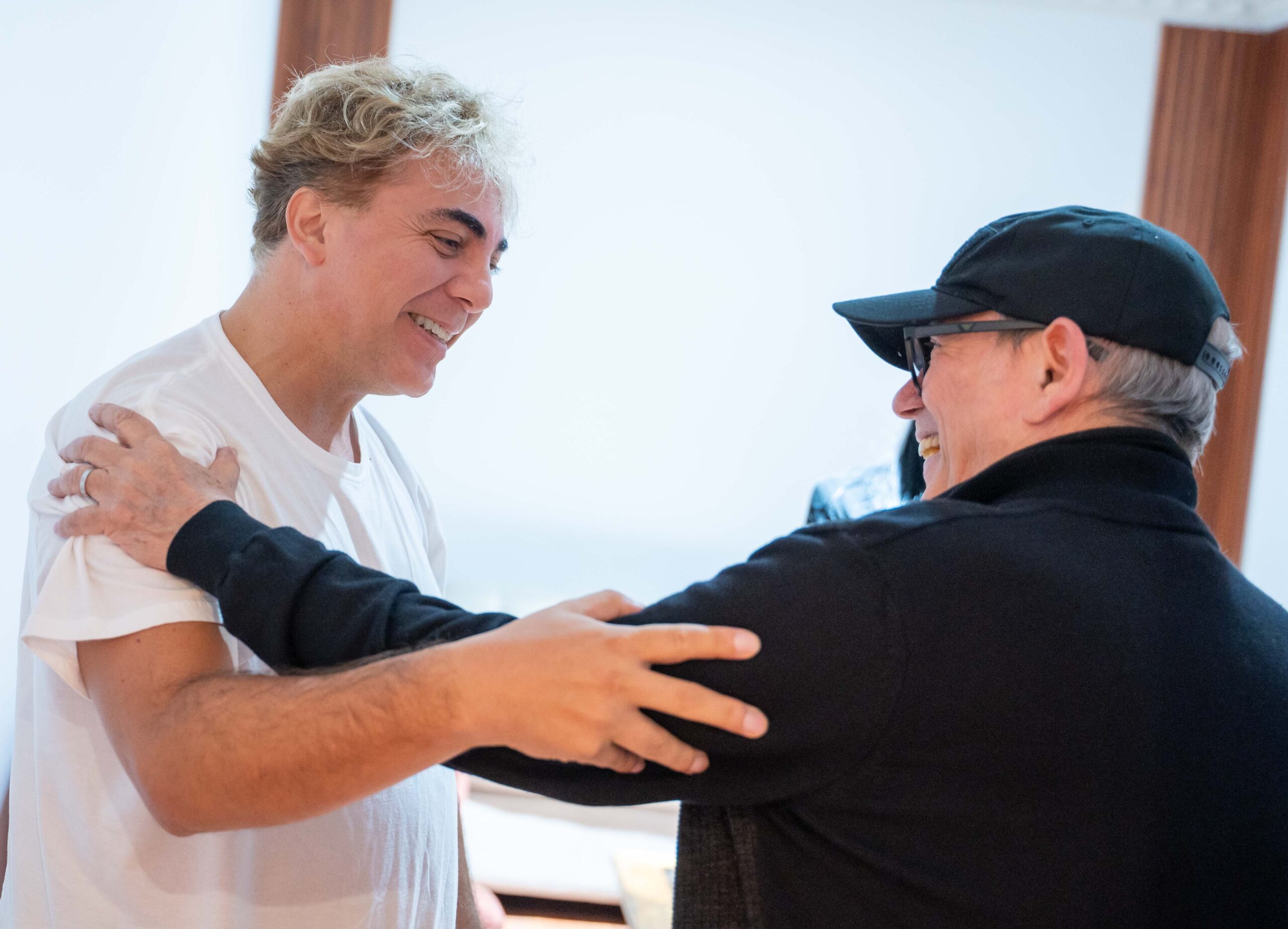
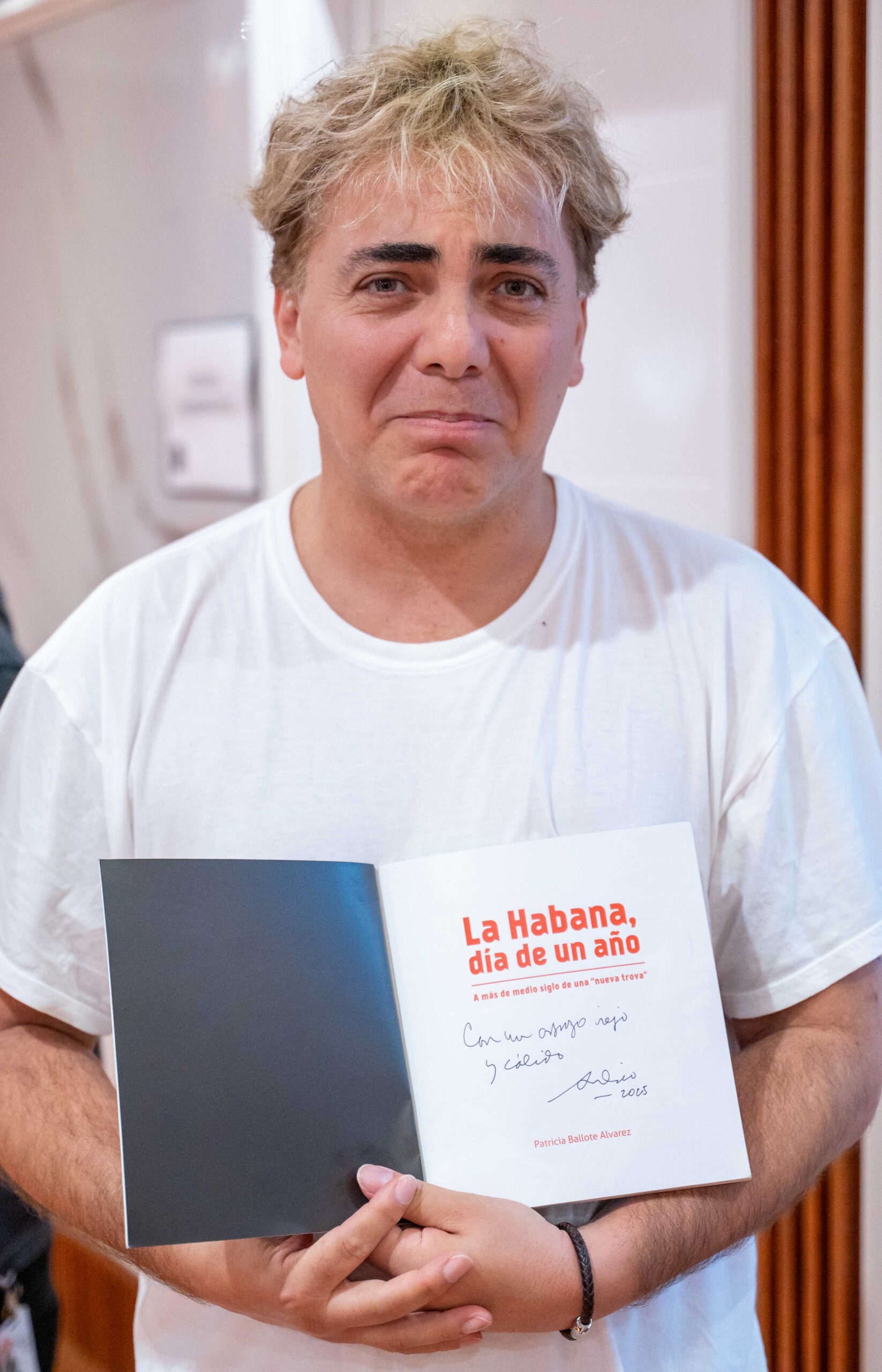
Already in the dressing rooms, Cristian Castro was waiting for him. Visibly moved, he thanked an artist he had admired since adolescence for his songs and for the emotion that hearing him live caused him. “Not only you,” he told him, “but your band has also left me impressed.” They remembered together that time they met in Havana, at one of the troubadour’s neighborhood concerts. Silvio gave him a dedicated book. When Cristian read the dedication, he fell silent. He cried, like the fan who has finally reached his idol, the one who has accompanied him all his life with his songs.
Silvio’s connection with Peru is not new. The first time he visited the country was in April 1986, during the Latin American Cultural Integration Week (SICLA), a meeting that turned Lima into the epicenter of thought and music on the continent. That event brought together essential figures such as Pablo Milanés, Mercedes Sosa, Isabel and Tita Parra, Sara González, León Gieco, Fito Páez and Alberto Cortez, among many others.
At the end of the concert, as the audience slowly dispersed in the sea breeze, a young woman in her twenties intercepted me to hand me a book and a letter addressed to Silvio. He repeated the gratitude that I have heard so many times:
“Tell him that thank you for his songs, for accompanying me in the hardest moments and also in the happiest.” I dared to respond: “Silvio says that the virtue of songs is that they accompany.”
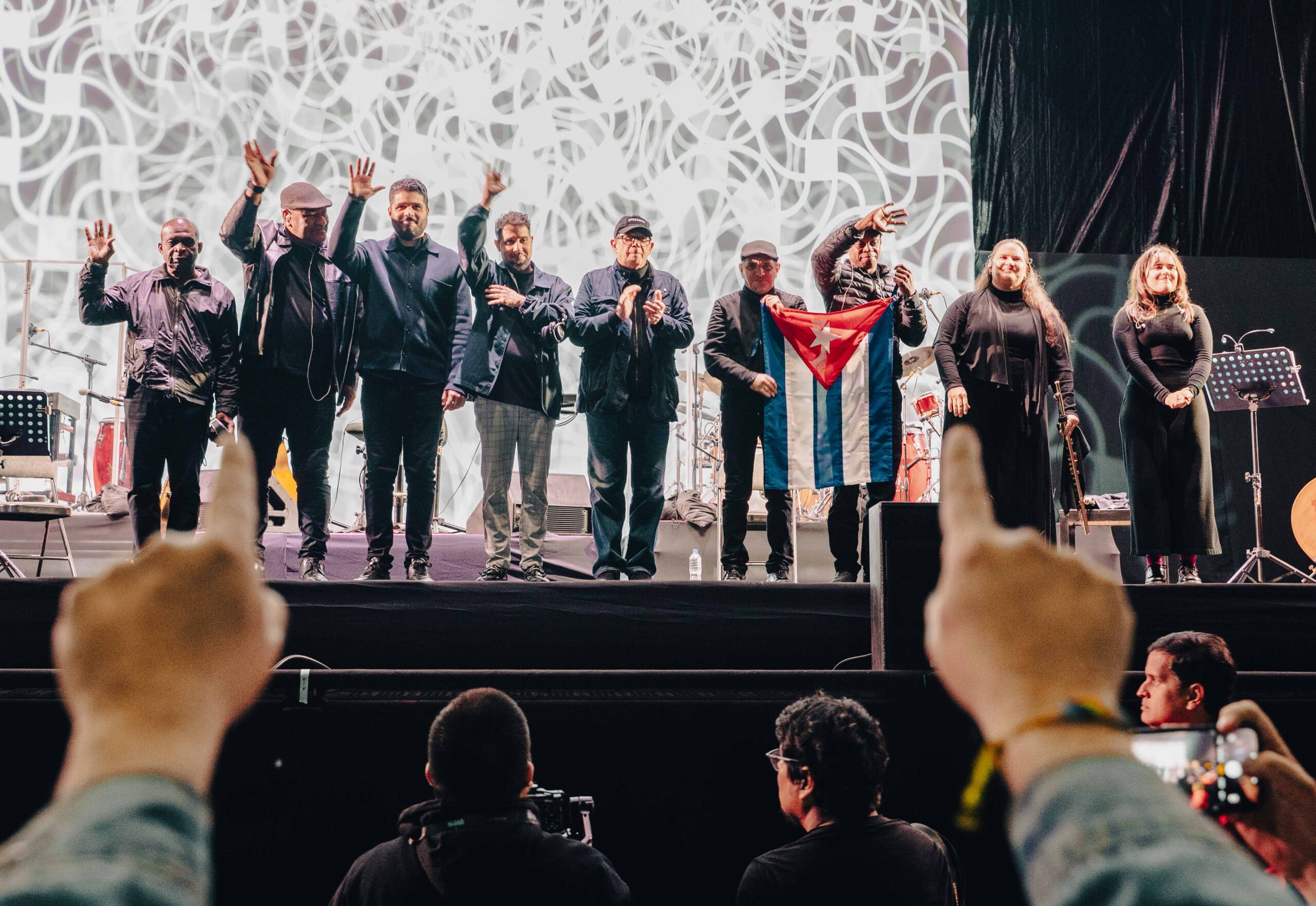
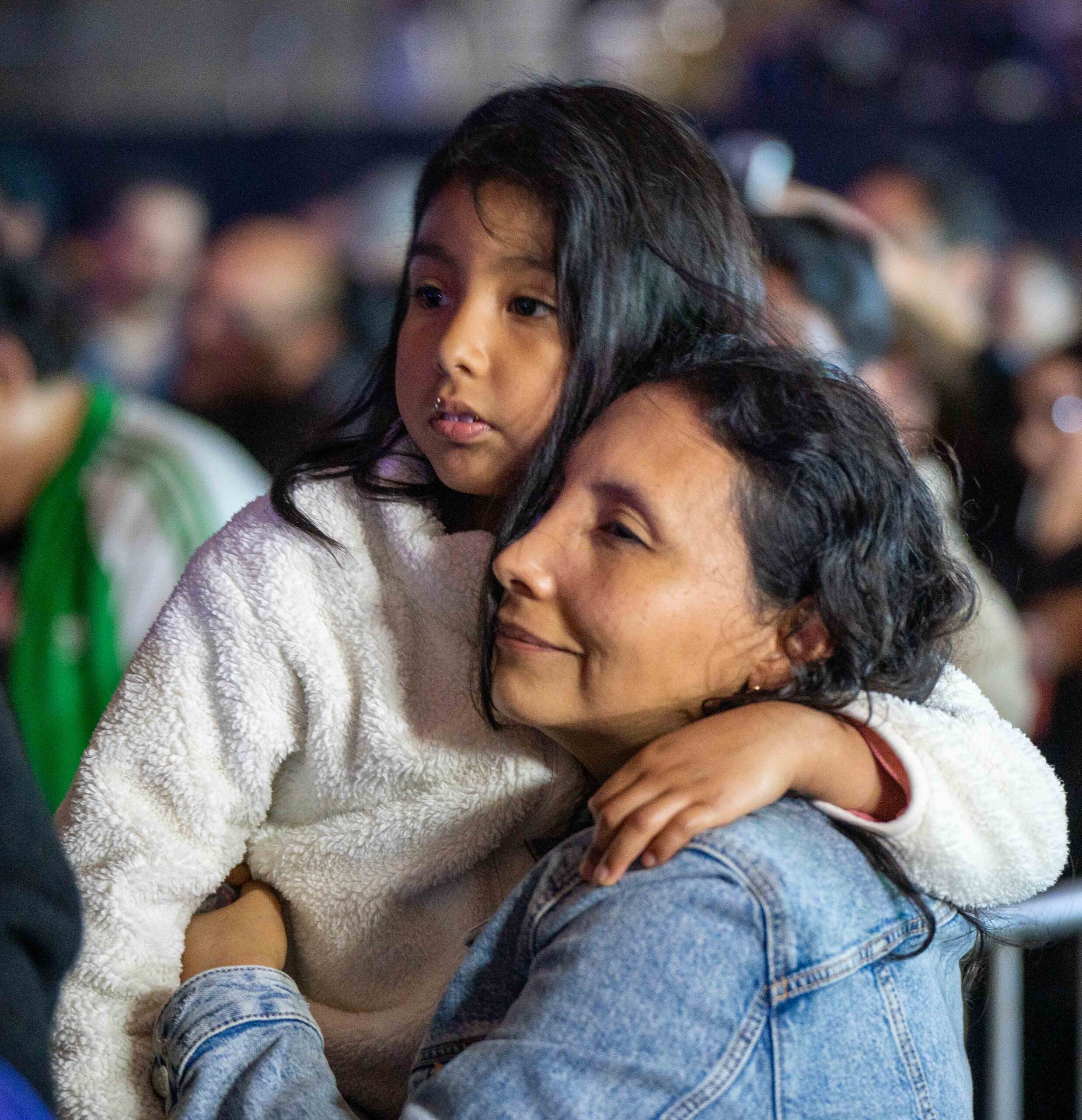
That night, on the shores of the Pacific, the songs not only accompanied the thousands of Peruvians present, but also those who came from other corners—Spain, Puerto Rico, Mexico, Ecuador, Brazil, Argentina and Chile—to sing with him. And, beyond that diverse audience, they also accompanied all those who, in different latitudes, continue to find refuge in their work. Because in times of uncertainty, when the news shakes up reality, music and poetry—that which is born from words and memory—can also be a way of resisting.