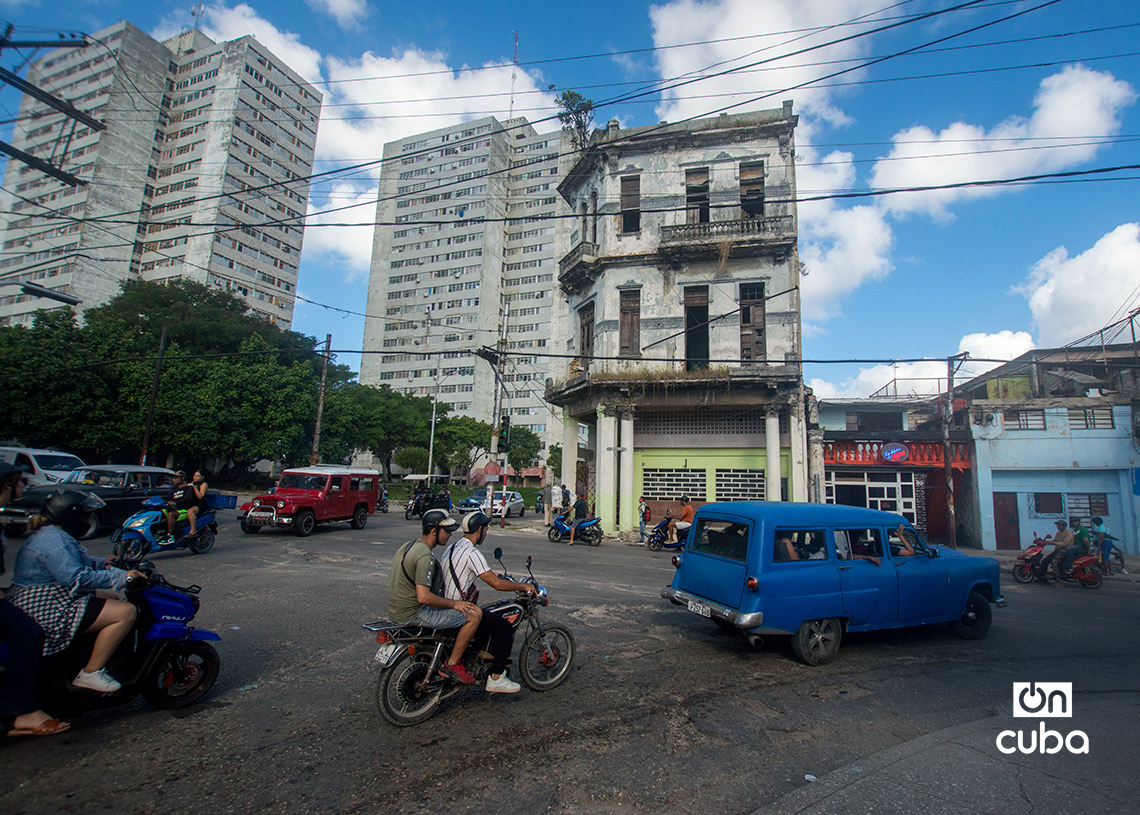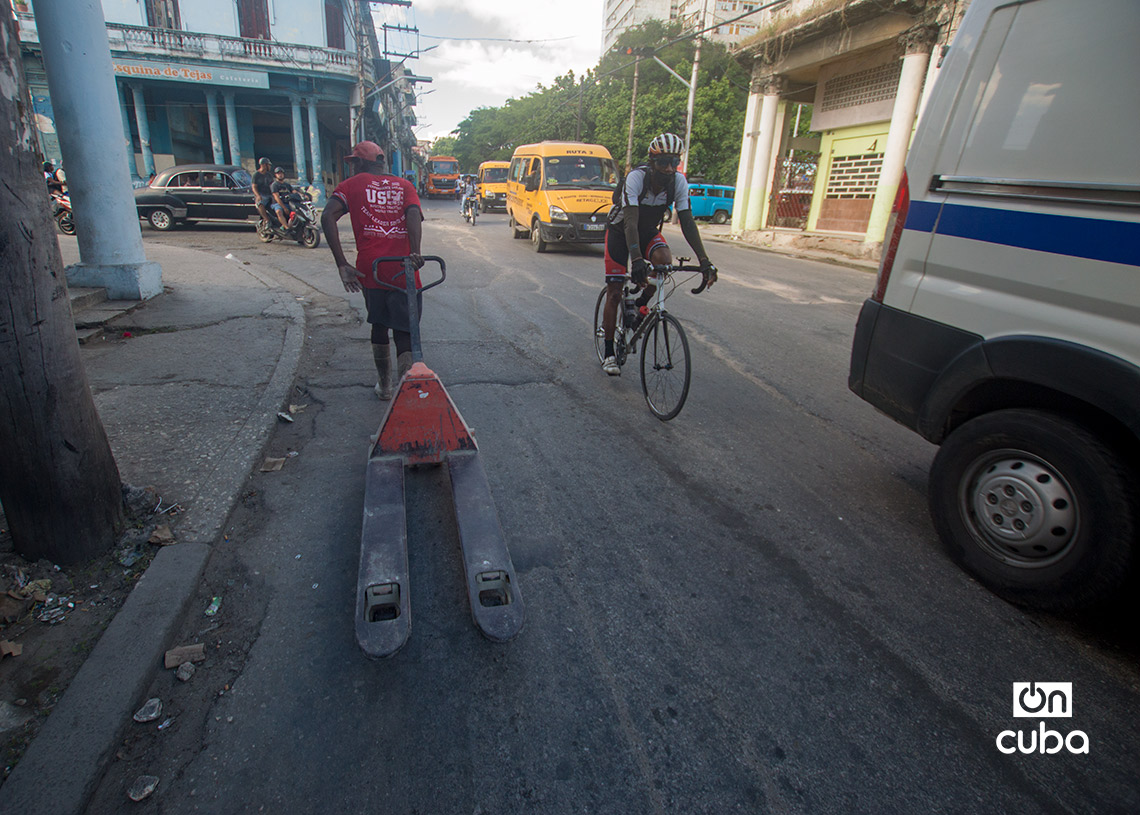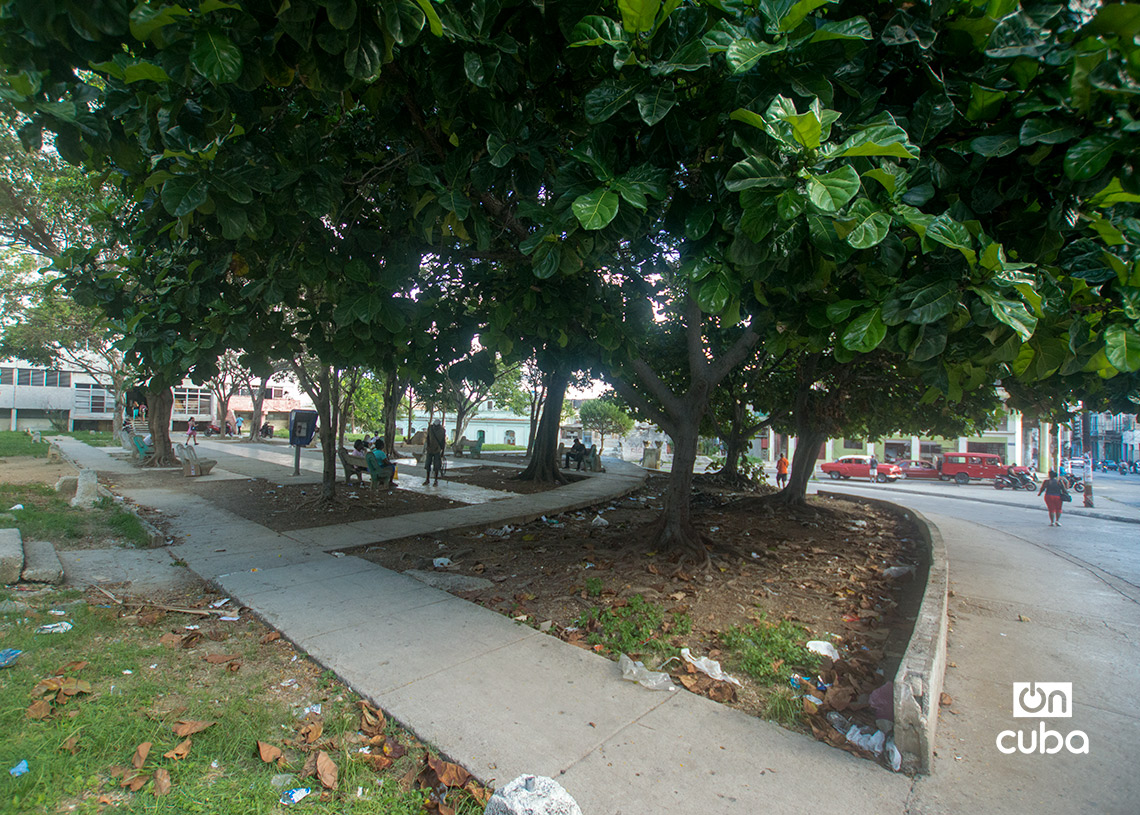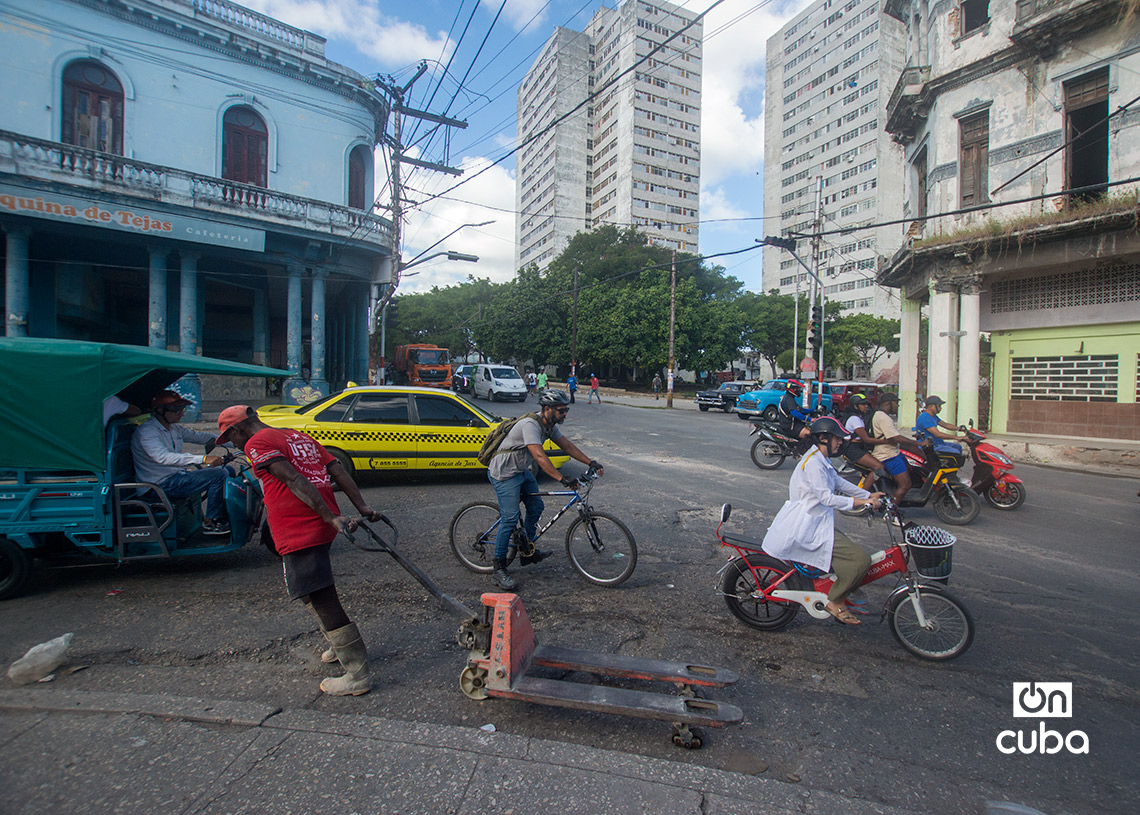
At the confluence of the Monte, Cerro, Infanta and 10 de Octubre roads is the Esquina de Tejas, one of the most famous intersections in Havana. More than a simple crossing, it has long been a symbol of the city’s life, although it is not experiencing its happiest moment today.
Its name, according to tradition, comes from the old terracotta-colored French tiles that adorned the homes there in colonial times. Another version points to the last name of a neighbor, but whatever the true reason, the truth is that his name transcended time.
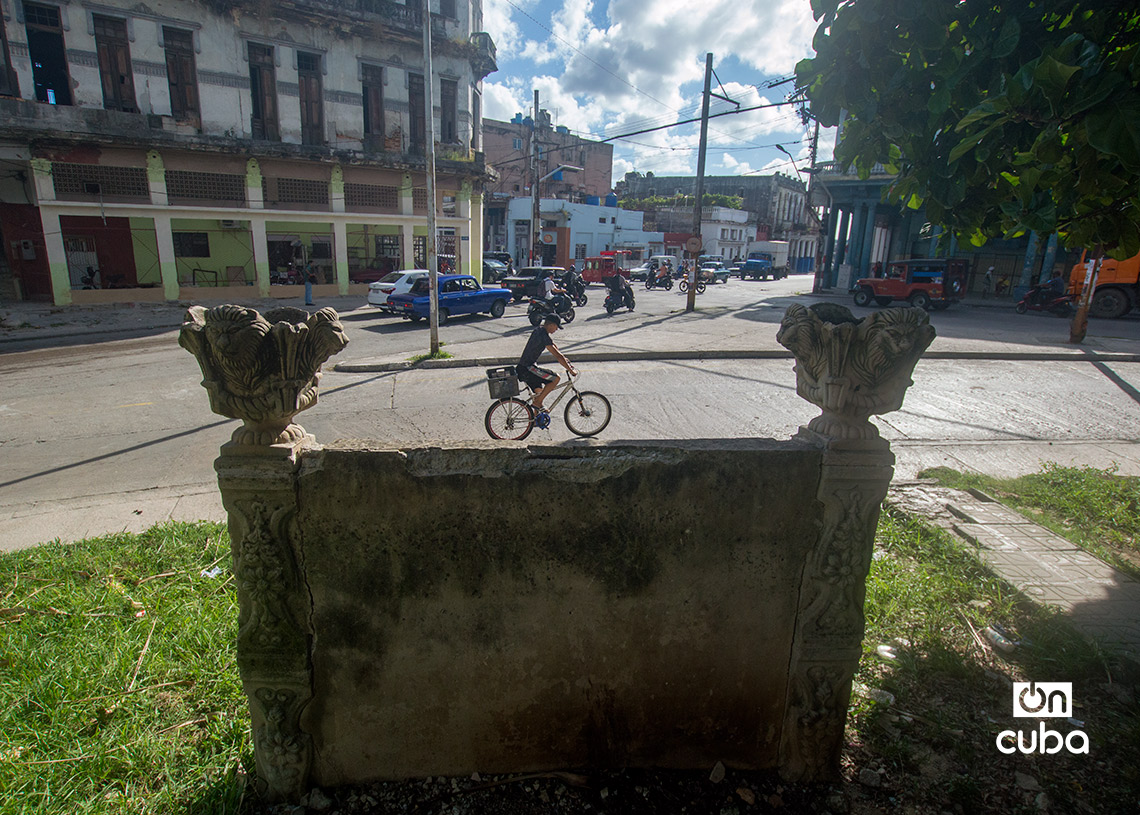
During the Republic, Texas Corner was a lively place with the rhythm of daily life and intense commercial activity. El Bodegón de Tejas —later Bar Moral—, along with the famous El Globo de Tejas inn, bakeries and other businesses made this a nerve center of the capital.
No less important was the role of the Valentino cinema, one of the cultural spaces most remembered by Havana residents of that time, who filled its seats daily, while the neighboring La Nacional fence attracted crowds with its cockfights.
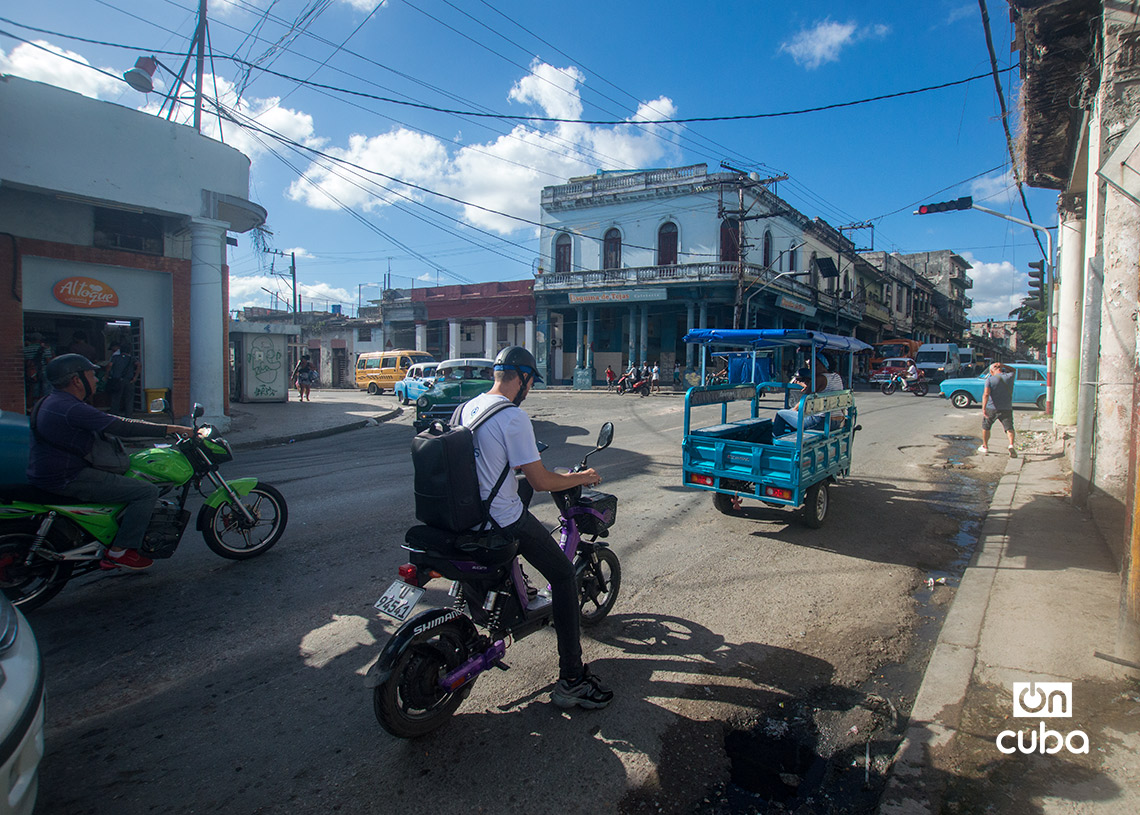
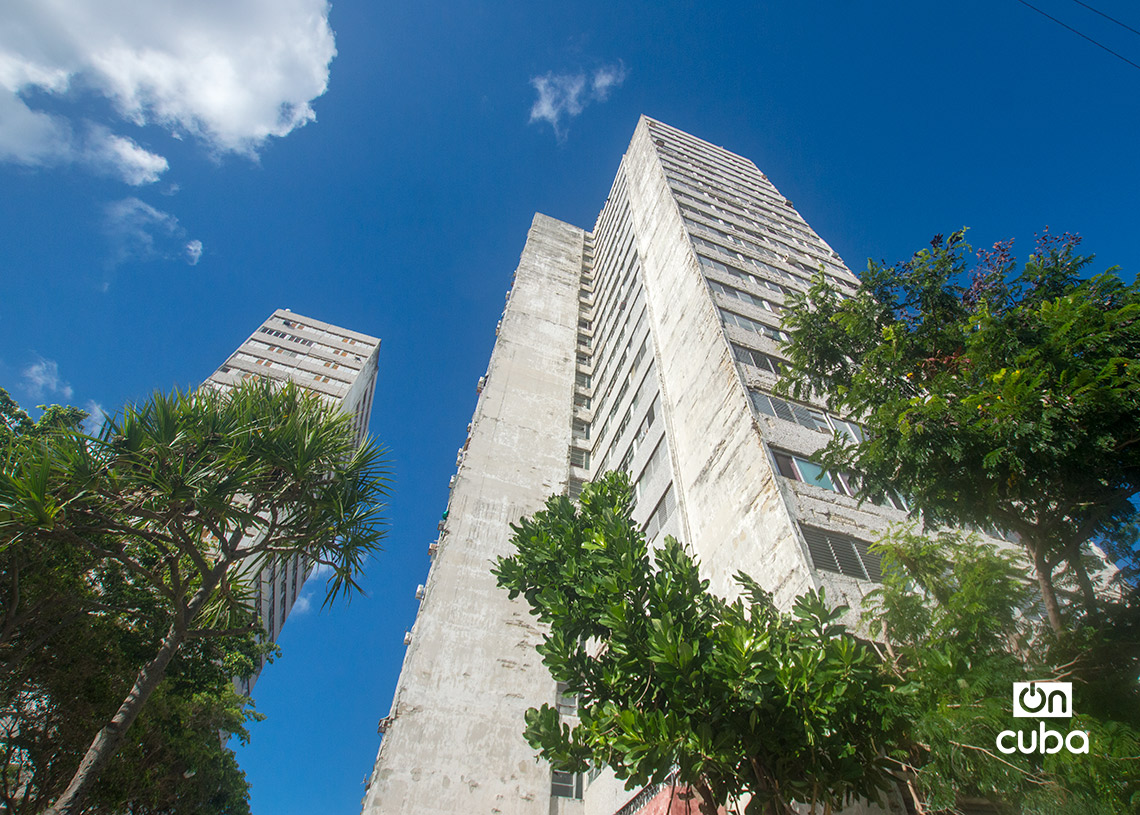
As time went by, the appearance of the renowned corner changed. The construction of taller buildings—some of 20 floors, such as the one popularly called “Fame and Applause”—gave a new presence to the place, in the middle of a city in transformation.
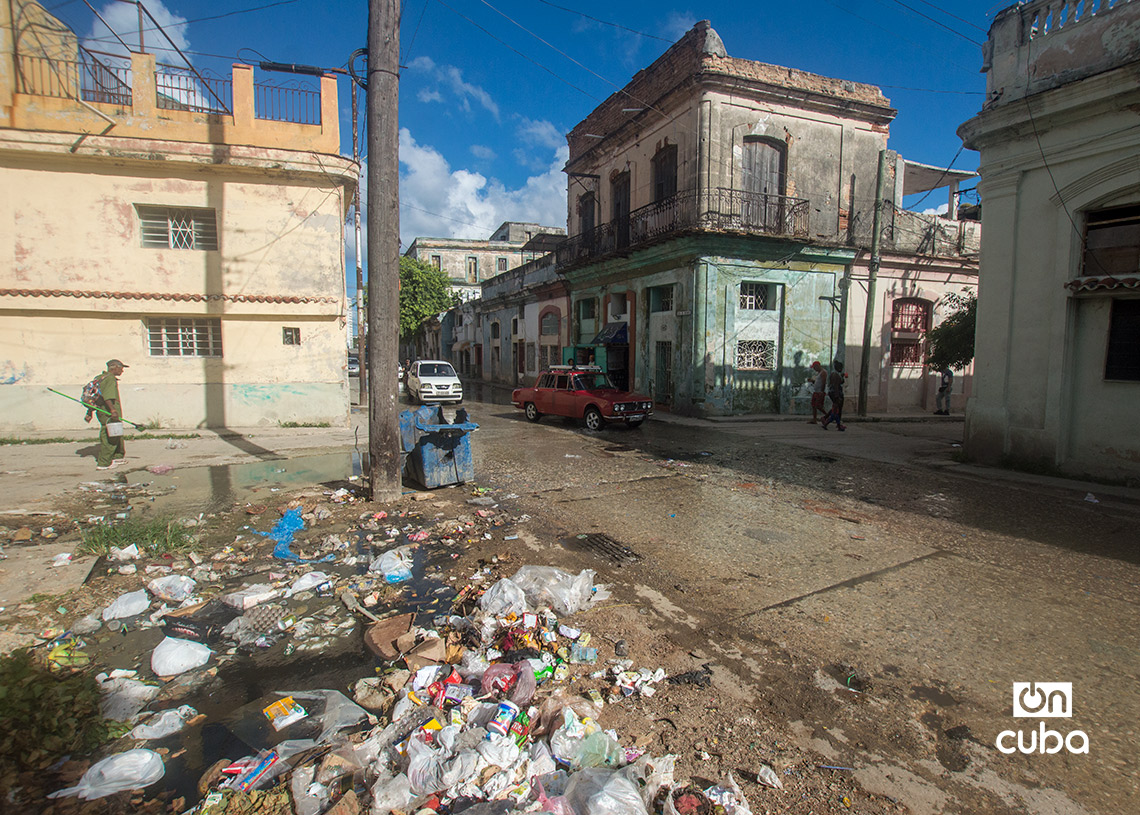
However, time would later bring loss and apathy. Several emblematic places from years ago are victims of abandonment, while the buildings, affected by the lack of maintenance, suffer from progressive deterioration. The streets, with cracked pavement and accumulated garbage, reflect the crisis that affects many areas of Havana and the entire island.
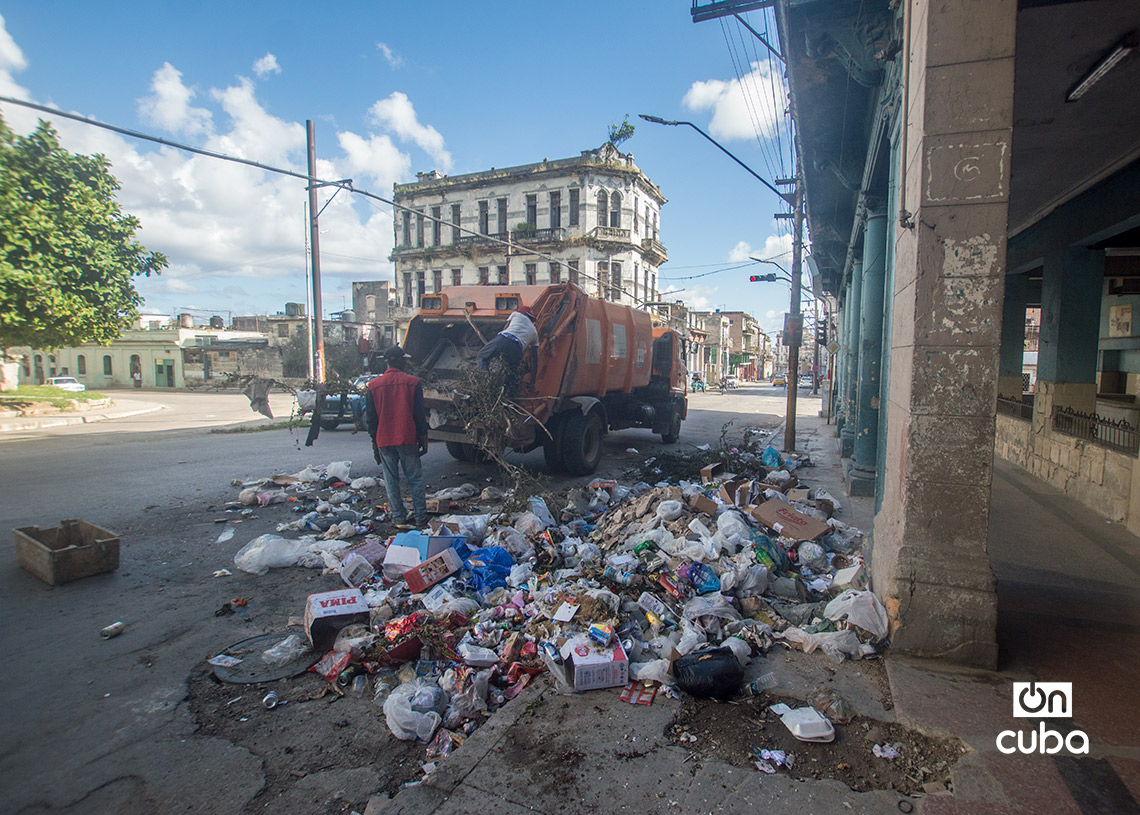
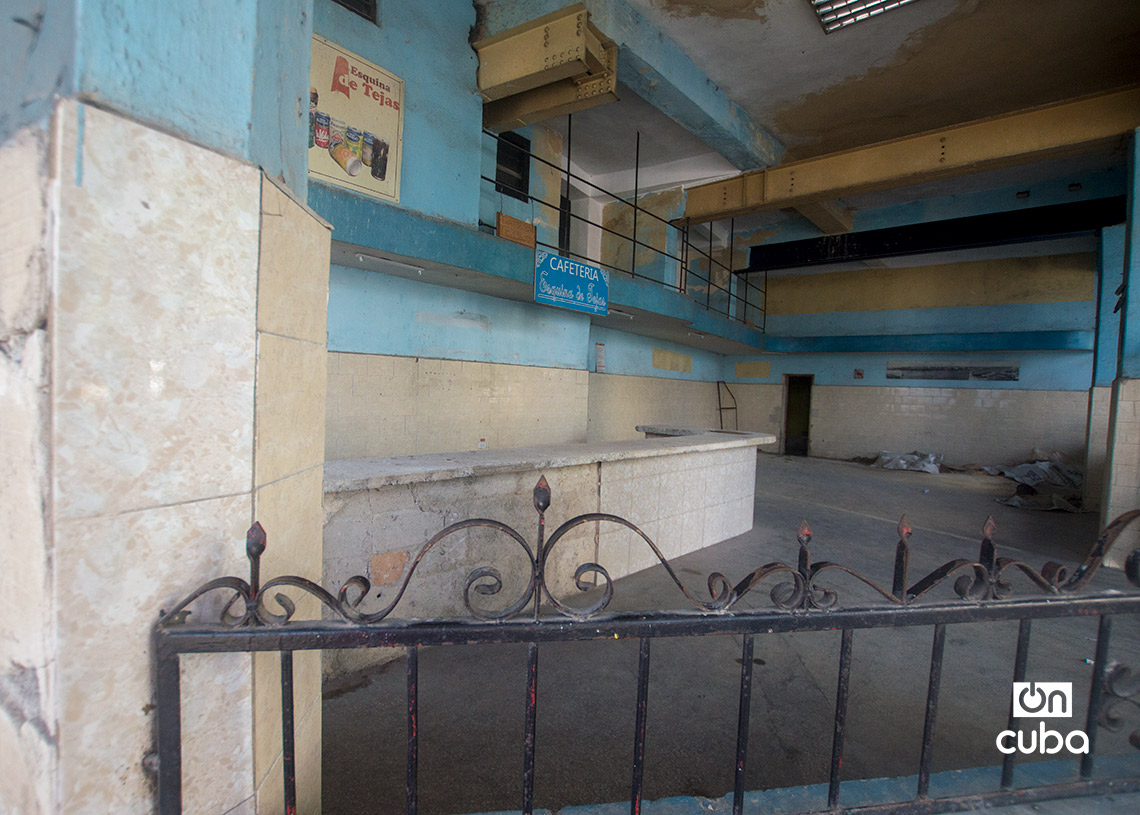
Although it is still a busy place, Texas Corner is far from what it once was. The contrast between its past and its present makes it a mirror of the visible tarnish of the Cuban capital and, at the same time, a metaphor for a city that resists between lights and shadows.
Like other spaces in a similar situation, this iconic corner is today a place where urban memory confronts the urgency of transforming and keeping alive the soul of Havana, a reality that photojournalist Otmaro Rodríguez reveals to us today through his images.