The Attorney General’s Office of the National Treasury (PGFN) obtained a decision in favor of the Union against the request of Samarco Mineração SA, which unduly deducted from the Corporate Income Tax (IRPJ) and the Social Contribution on Net Profit (CSLL) amounts owed by the company as environmental recovery and environmental fines, from 2016 to 2019. The board of the Administrative Council of Tax Appeals (Carf) followed the understanding of PGFN and maintained the assessments worth more than R$1.8 billion for Samarco and Vale, which is a shareholder in the mining company.
During the trial, PGFN attorney Vinícius Campos highlighted that, if the decision favored the mining company, it would distort the punitive and administrative system of tax law. In his opinion, “a contradictory system was being created, in which the State, at the same time as it applies a penalty, accepts that it uses it as a tax benefit”, maintained Vinícius. The prosecutor added that, in this way, the “Union would encourage the practice of illegal acts”.
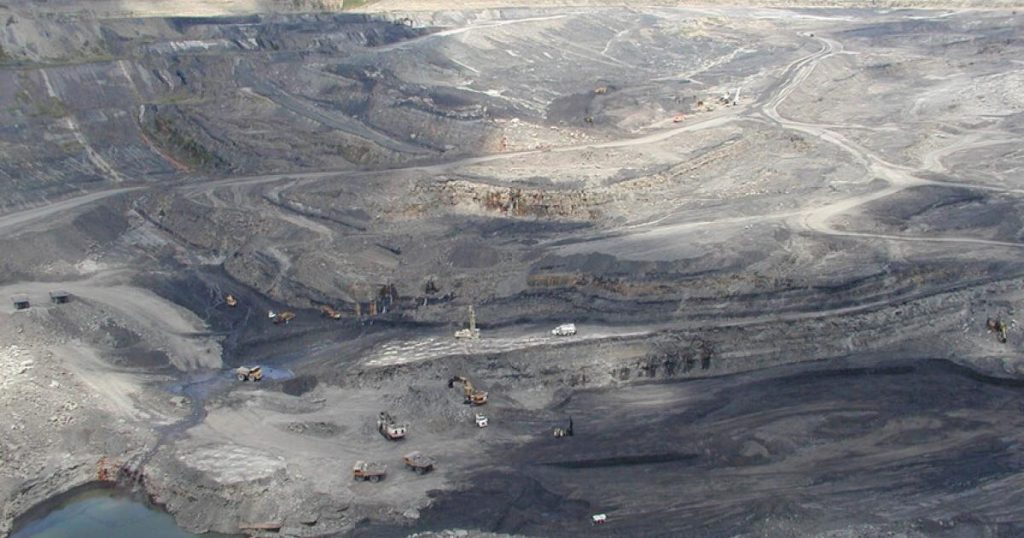
The case was judged by the Administrative Council of Tax Appeals (Carf), which denied the mining company’s request and maintained the full value of the tax assessment notices. The company discounted expenses with environmental and socio-environmental repairs and fines for non-tax infractions in the calculation of taxes, resulting from expenses involving the collapse of the Fundão dam in Mariana, in Minas Gerais, in 2015.
In the appeal, Samarco claimed that the amounts deducted are for recovery and understood as essential, as its activity involves environmental risk. The mining company considers operating expenses to be those necessary, normal and usual for the development of the activity. In regulations, these expenses are characterized as tax deductible.
The amounts suppressed by Samarco, according to the mining company’s defense, result from expenses set out in legal agreements signed with municipalities, the Federal Public Ministry (MPF), the Federal Public Defender’s Office (DPU) and other bodies of Justice. One of them, the Transaction and Conduct Adjustment Term (TTAC), defined the creation of the Renova Foundation, initially designated to manage the city’s reparation and compensation process, being the main destination for part of the amount deducted from taxes. Another part of the deducted sum would have been paid in environmental fines.
In defense of the Treasury, PGFN claimed that such expenses do not meet the legal requirements of necessity, normality and usuality, provided for in article 47 of Law No. 4,506/1964, being an exceptional claim, and that their deductibility would represent undue socialization of business risk.
.After signing the Conduct Adjustment Term, Vale SA was defined as subsidiary responsible for being a shareholder of Samarco. In this way, it would also be responsible for transfers to the foundation, using the same argument to deduct IRPJ and CSLL amounts, based on the same legislation presented in Samarco’s appeal to Carf.
In the PFGN thesis, accepted by the collegiate, Vale is defined as a subsidiary responsible, having its request to deduct expenses denied, as well as the main responsible (Samarco). According to Carf, “the transfers are not related to the transactions or operations of its productive activities”.
In a statement, Samarco informed that it will discuss the matter in the case files, that the company strictly complies with the New Rio Doce Agreement and reaffirms its commitment to reparations.” There is still an appeal in Carf.
Understand the case
The disaster occurred on November 5, 2015. The collapse of the Fundão tailings dam, in Mariana, owned by Samarco, resulted in a large volume of mud and debris, which devastated the district of Bento Rodrigues, in Mariana. The wave of mud left 19 people dead, as well as dozens of people homeless and missing.
The tailings mud traveled more than 600 kilometers along the Doce River until it reached the coast of Espírito Santo, causing one of the biggest environmental disasters in the history of Brazil. The district of Bento Rodrigues, which was 25 km from the center of Mariana, was practically destroyed by the flood of mud and waste. The articles at the time showed aerial images of the buried village, with mud invading and dragging away houses and cars.
The tailings avalanche spread over more than 650 kilometers along the Doce River and its tributaries, reaching the coast of Espírito Santo. Samarco, at the time, declared that it was not yet possible to determine the cause or extent of the accident, while residents were advised to leave the region.
Initial reports reported deaths and disappearances, with the number of victims increasing as the days went by. Subsequently, the official death toll was confirmed at 19 people, in addition to 600 homeless families.
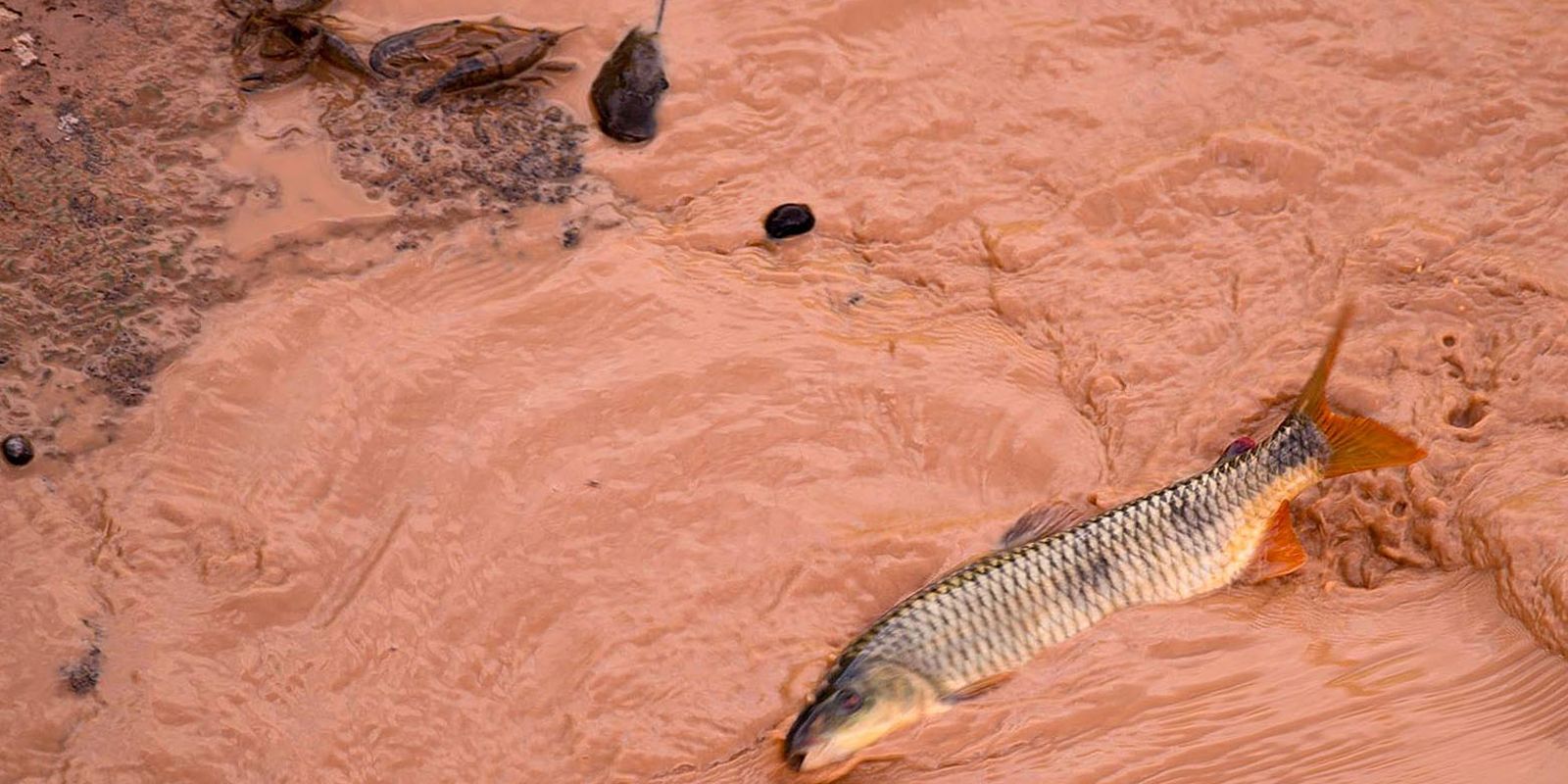
There was contamination of the Doce River, with the effects of mud on aquatic life, the death of fish and the degradation of local biodiversity. Concern about the supply of drinking water to cities throughout the basin was also a recurring theme.