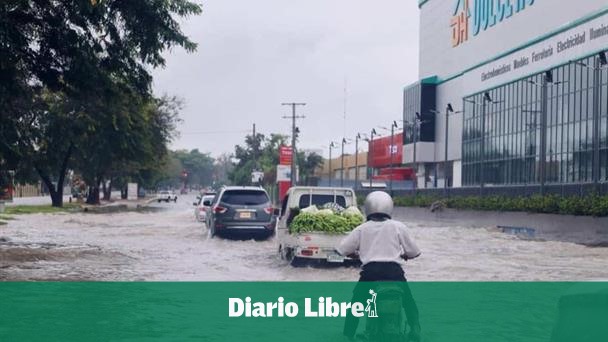
The Storm Melissa altered everyday life dominican capital. The rain silenced the noise, decongested traffic and changed the agenda of public and private events scheduled for this week, which has undoubtedly been the cancellation week.
Commercial activities, teaching, sporting eventssuch as winter ball games and concerts, among others, were postponed while citizens have remained in their homes except for those whose jobs belong to vital areas such as health, supermarkets and fuel sales.
The first step in this regard was taken by Government that suspended teaching, in public and private centers, in the National District and the provinces on red alert. At the same time, it also reduced the hours of the commercial activitieswith few exceptions.
A city without caps
The measures, in addition to safeguarding citizens, caused a change in the landscape of the Greater Santo Domingoleaving a silent citywith less traffic congestion and cleaner air.
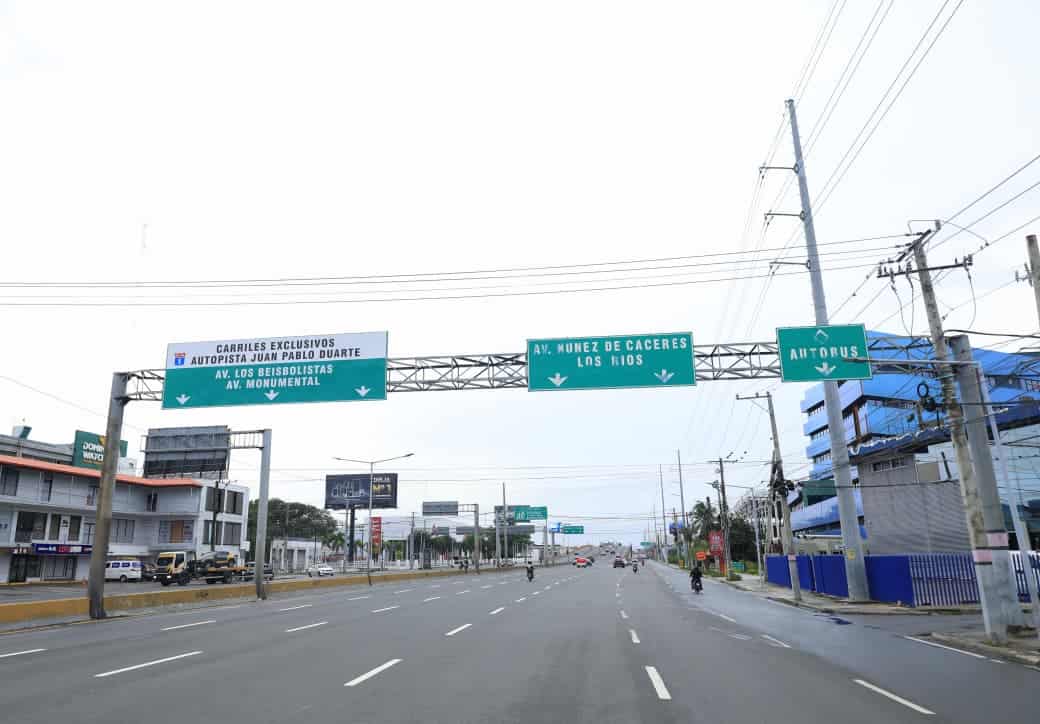
During a tour taken by Free Diary it was observed that The difference in traffic, compared to normal days, was abysmal. In the usually congested Núñez de Cáceres avenuein the National District, a driver commented that she turned to look and for the first time she was alone in a lane without any vehicle in front or behind her. Also in sectors such as Sabana Perdida and Los Minas, in Santo Domingo Norte and Este, respectively, traffic flowed quickly, without the traffic jams that characterize rush hours.
“The city without capsa wonder, who wouldn’t want to walk like that every day. The difference in time in terms of moving from one place to another is astonishing. This morning I moved from my house in Salomé Ureña to Quinto Centenario in 15 minutes when, generally, it took me 30 minutes,” said the public employee Franklin Estévez when approached by D.L..
There is no fluke
Not everything is rosy. Those who live by “fluke“, have seen their income decrease.
“The negative part of all this is that paralyzing work causes a cessation in the economic part, the people who live day to day are the most sacrificed with this lockdownwhich, evidently, seeks to avoid catastrophe,” said the economist Leandro Peralta.
Many private sector employees did not attend companies, but worked from home, a work dynamic that, although ideal in times of inclement weather, also poses some challenges. “One of these challenges is that blackouts are much more frequent in the neighborhoods, the internet speed that I have contracted at home is much lower than that of the company where I work and that slows down everything,” says Rosa G., an employee of an insurance company. The concern is shared by Miguel Collado, a private employee, who did his work teleworking on Wednesday and Thursday. He agrees that offices rarely guarantee conditions for employees to work from home.