There is a very Argentine saying that assures that life always gives revenge. In Cuba, perhaps we would call it revenge: that opportunity to remove a thorn, to heal and get back to the task. And that was precisely what Silvio Rodríguez did in his third concert in Buenos Aires.
Here are my notes, between photo and photo, like someone writing from the eye of the hurricane: between the shutter that breathes and the emotion that barely lets it focus. Because that night was not just the closing of a series of concerts; It was a turning point, an act of poetic and human restitution. What the troubadour had left pending because of a flulife—that old accomplice—was responsible for giving it back to him in spades.
The revenge
The story has movie edges. In his second presentation at the Movistar Arena, the son of Argelia and Dagoberto came on stage with a flu condition and dysphonia that threatened to frustrate the night. However, what could have been a disaster turned into one of the most moving concerts of the tour. The excitement was such that, in the following days, the networks were filled with comments and the demand for tickets for the last show skyrocketed. On resale sites, tickets were priced almost like they were on the stock market: the fever to see it once again was total.
Due to those coincidences and chances that usually accompany Silvio, Buenos Aires was the only city on the tour where a third concert was added, sandwiched between the dates in Montevideo and Lima. It was necessary to cross the Río de la Plata twice to accomplish it. And so, in the midst of that coming and going, life offered the troubadour his revenge: a night to recover his voice, his breath and the perfect balance between emotion and singing.
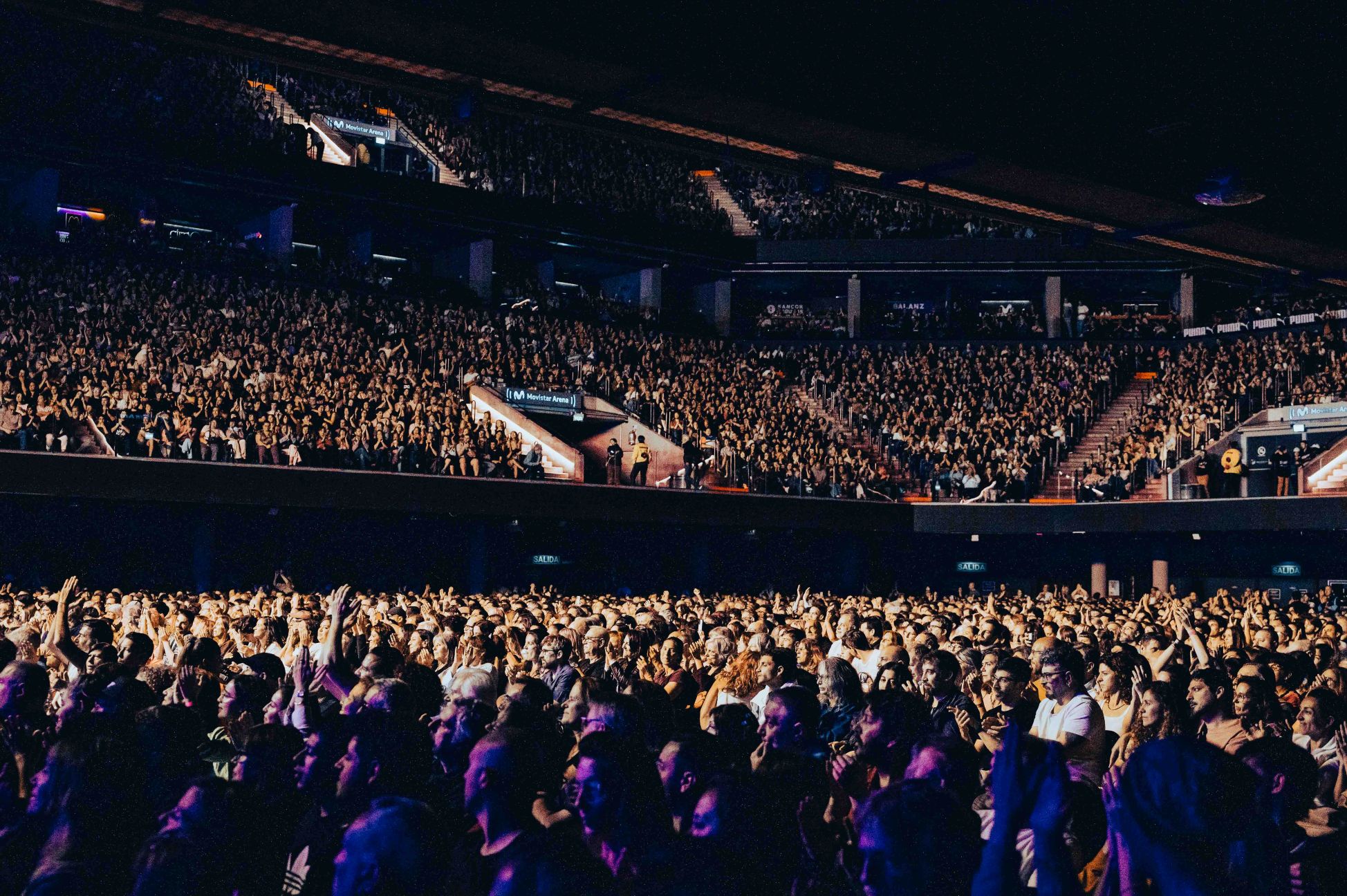
The revenge was resounding. The voice sounded impeccable, the musicians were always of a high level, the technical sound bordered on excellence and the audience – oh, the Argentine audience – got up from their seats again and again to give him a standing ovation. But that wouldn’t be just another night. There was something in the air, a sum of presences and coincidences that seemed to have conspired to make that recital memorable.
Encounters and coincidences
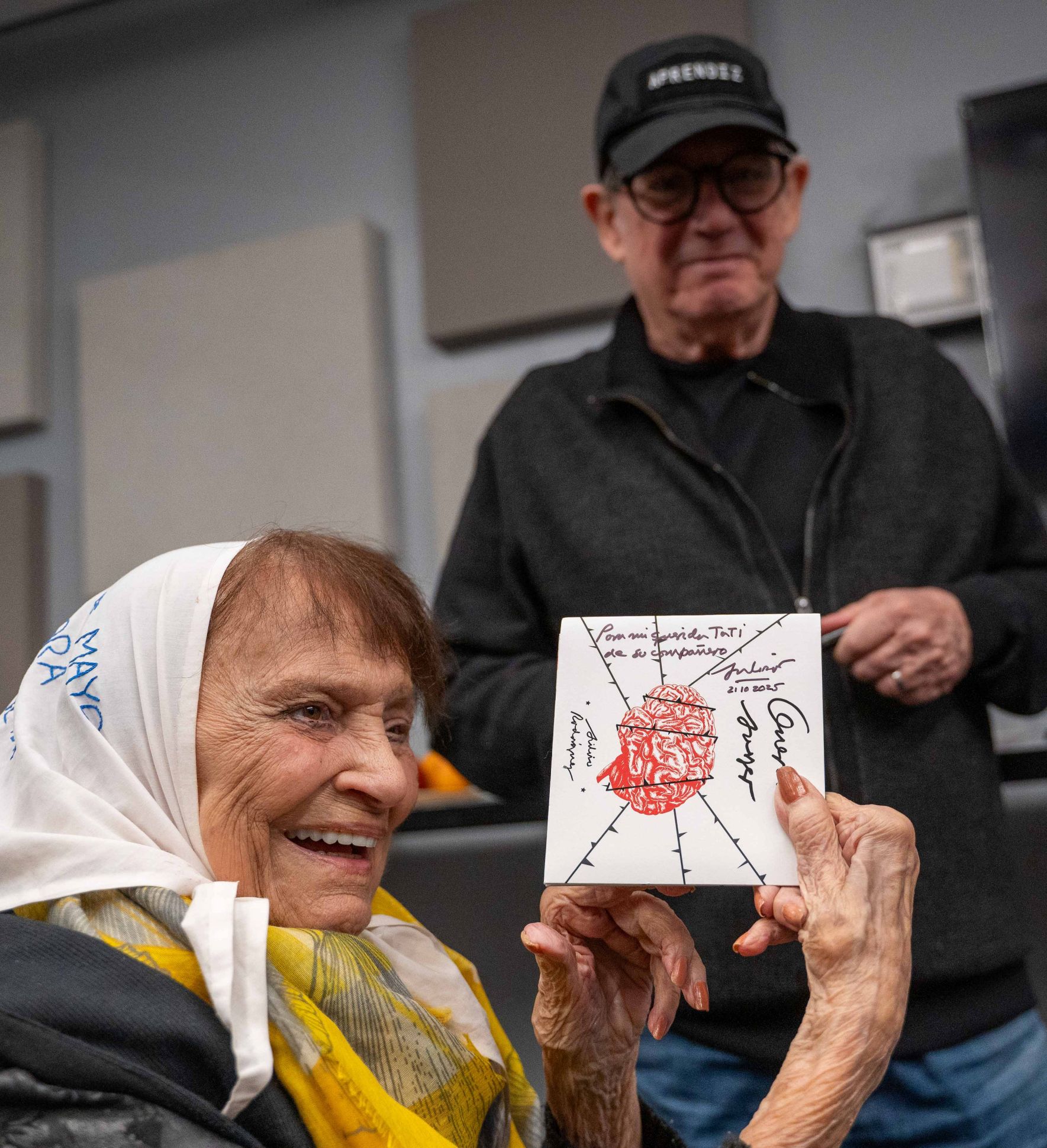
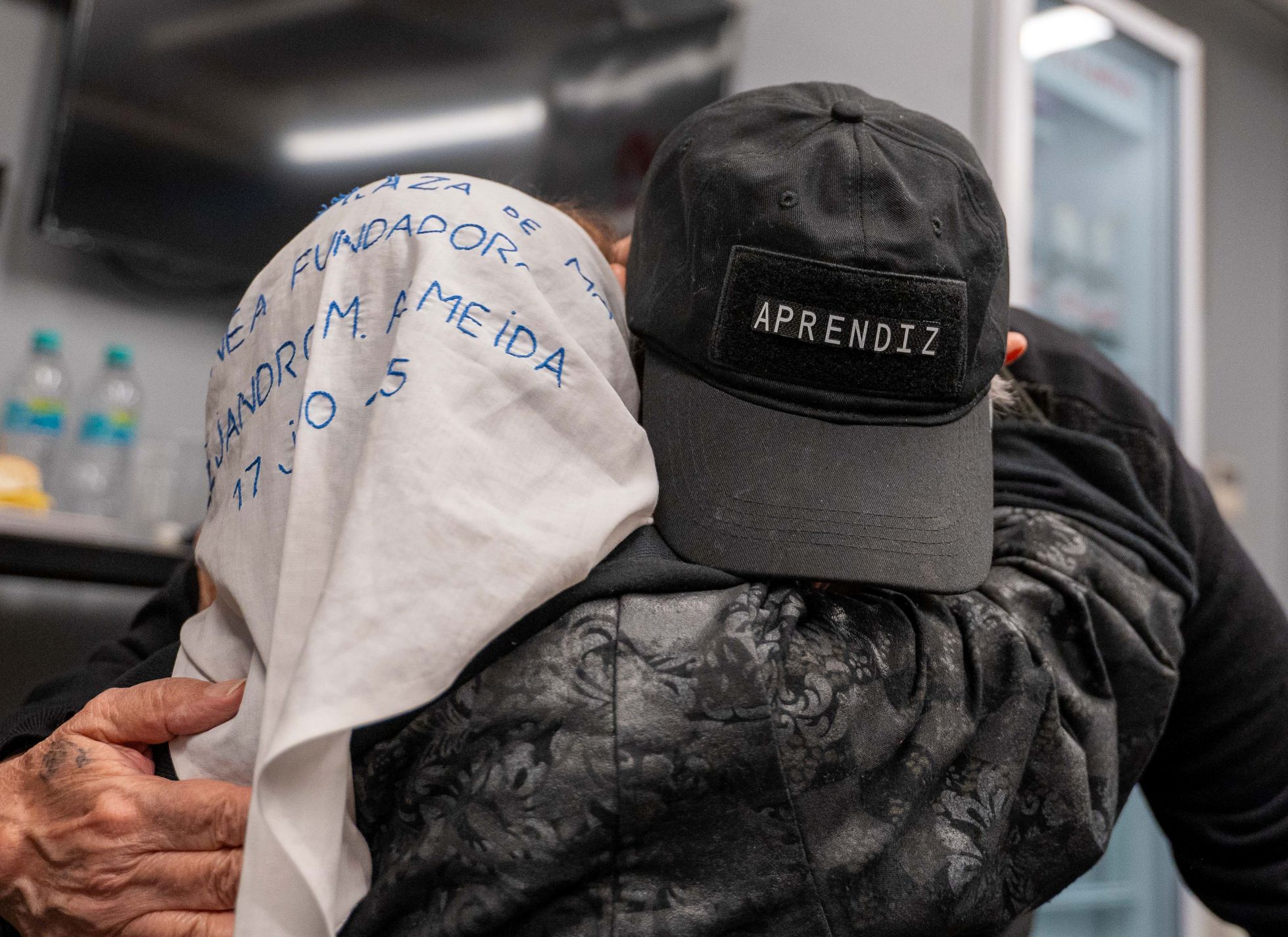
Before the concert, Silvio shared a moment with Taty Almeida, Mother of Plaza de Mayo Línea Foundadora, 95 years old. She asked him to sing Unicorn: “Every time I hear it it reminds me of my son, who I am still searching for.” Later, the troubadour would dedicate the song to him before a moved stadium.
That same night the centenary of the birth of Celia Cruz. Silvio remembered her on stage as one of the greatest figures in Cuban music. Someone from the back of the audience shouted “Azúcar!”, and the applause broke out as if a Caribbean spark had been lit in the middle of Buenos Aires. He also evoked Juana Bacallao, another legend born a hundred years ago, and his own mother, Argelia Domínguez, who will also celebrate her centenary in November 2025.
The firefly and the hug
Halfway through the concert, the stage went dark. Silvio announced that he would invite “a very talented boy,” repeating the word talent as if underlining a certainty. Then Milo J appeared, just a 19-year-old kid who has revolutionized Argentine music. He went up with a timid step, almost without breathing. Silvio hugged him tightly, away from the spotlight, and gave him the stage. The kid formed a heart with his hands; Silvio responded with a knowing smile.
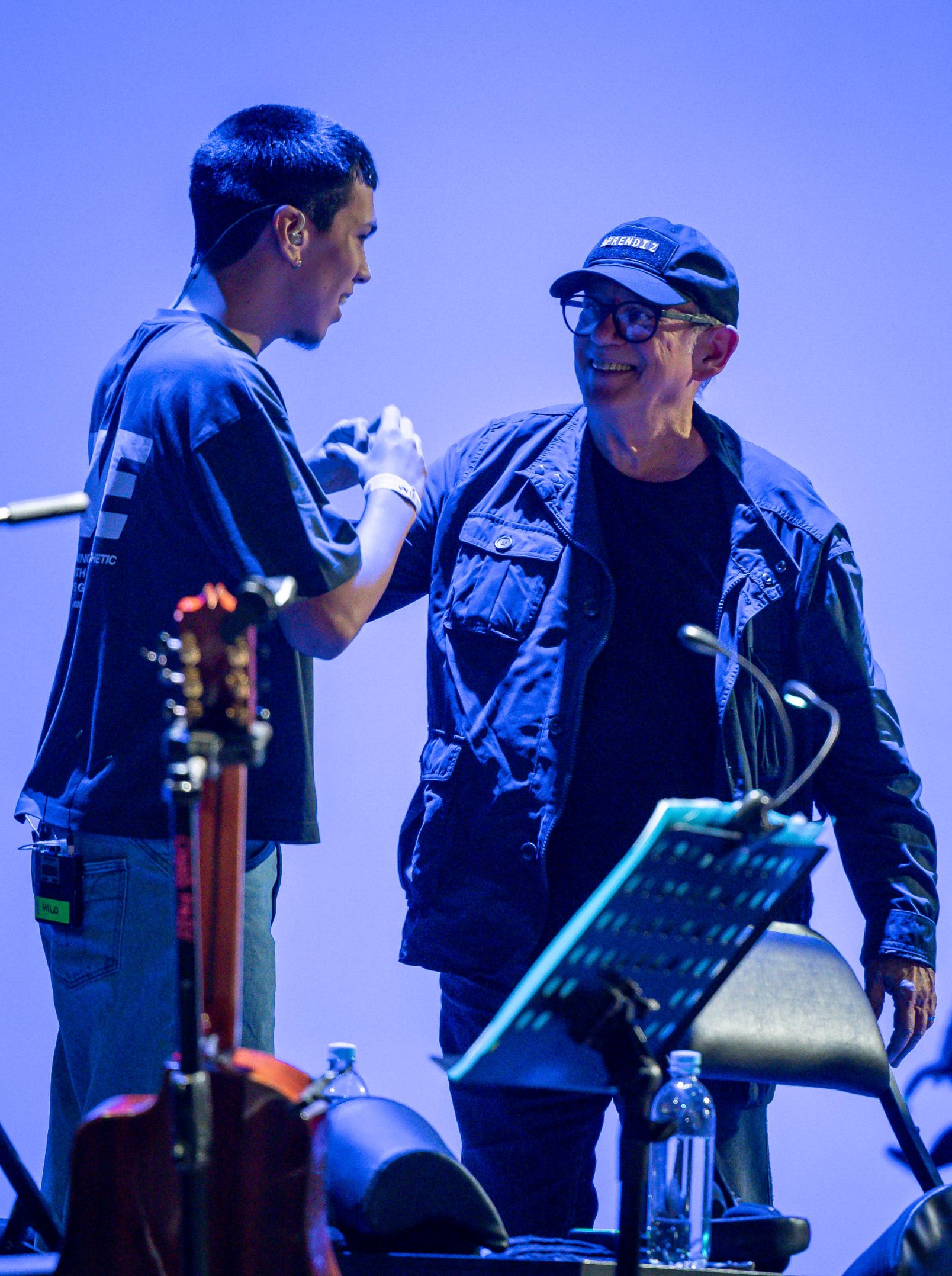
“It’s the first time I’ve seen it… and I’m crazy about it,” said the young man, with a trembling voice. Then, guitar in hand, he performed Luciérnaga, the song he wrote for his grandmother and recorded with the troubadour. “I see you, I dream of you and I miss you,” the entire audience chanted, accompanying the emotion.
At the end, Milo announced that they would donate the royalties from the song to the Grandmothers of Plaza de Mayo. Silvio hugged him again and the stadium was filled with shouts: “Milooo, Milooo!” The troubadour offered to sing another song, but the boy, with his eyes shining and still nervous, responded: “Thank you, maestro. I want to enjoy your show.” Behind the curtain, his mother was waiting for him: “You did it, son,” she told him; “We did it, ma,” he responded, plural.
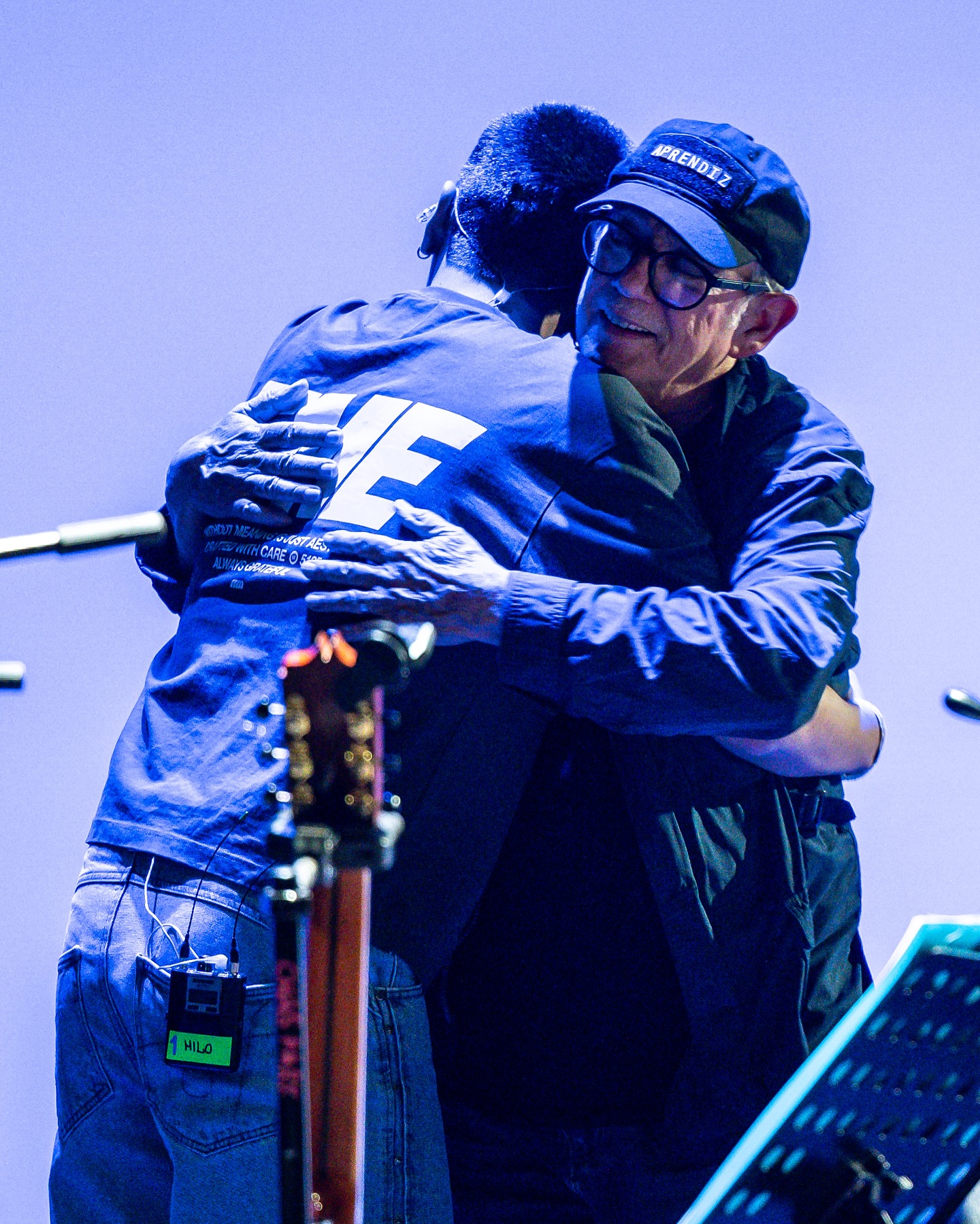
That plural said it all: it was not just a personal triumph, but a collective conquest. What had happened on that stage transcended the artistic gesture; It was a conversation between generations, an inheritance that is renewed. In that embrace between the troubadour who marked an era and several generations and the kid who represents another, a continuity was sealed: that of song as a refuge, as memory and as an act of shared love.
And in that exchange, generations, geographies and wounds were crossed, as if a firefly landed for a moment on the collective memory.
The brothers on the road
In the most intimate section of the concert, Silvio paid tribute to his generation colleagues: Vicente Feliú, Noel Nicola and Pablo Milanés. “I always remember that I didn’t start with this alone,” he confessed. “I am enormously grateful to them.”
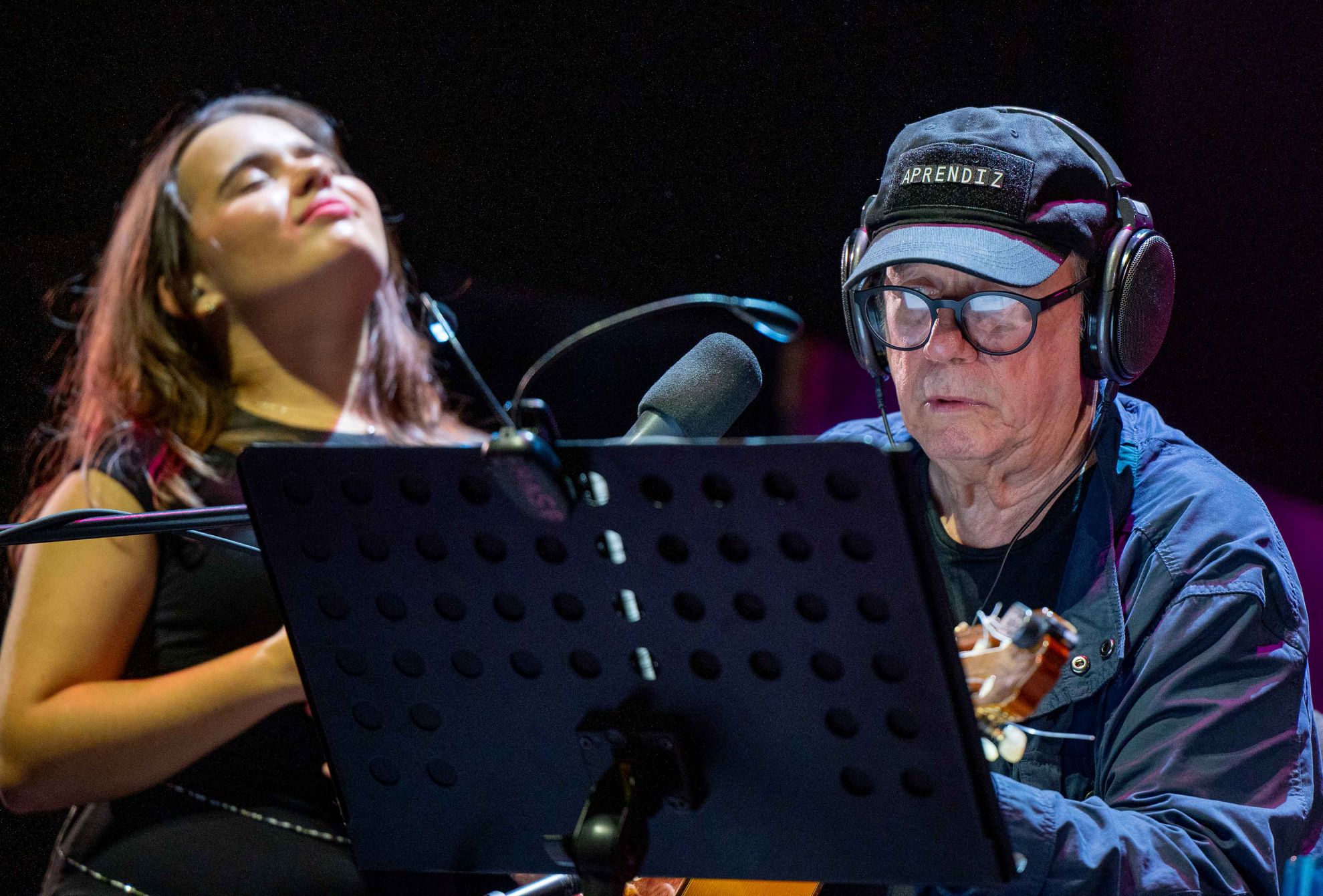
On clean guitar, he performed “Créeme” by Feliú with his daughter Malva; then “I forgive you”, by Nicola, with a beautiful dialogue between piano and flute; and “Yolanda”, by Pablo Milanés, which provoked a spontaneous and affectionate chorus from the audience. Among those voices Pablo’s partner was sitting, right in front of the stage, singing through tears.
Halt!, the poem and the story
Another intense moment came when Silvio recited Halt!, the poem by his life brother, Luis Rogelio “Wichy” Nogueras. As if the dates were determined to meet, that October 21st marked 46 years to the exact day that Wichy visited Auschwitz and then wrote the poem. In it, he contrasts Nazi horror with contemporary news: the Israeli bombing of Palestinian camps in Lebanon.
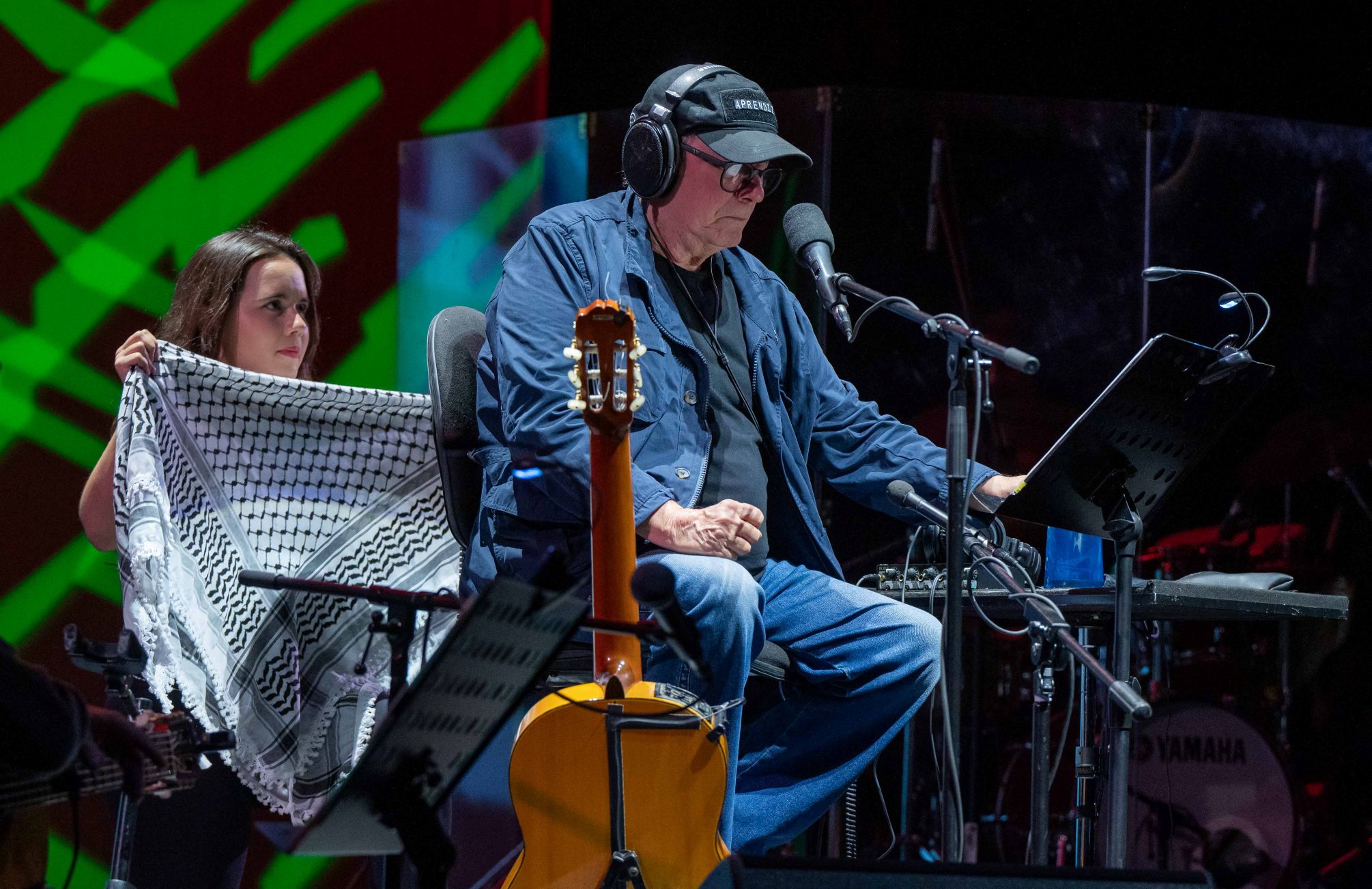
“I think of you and I cannot understand how you so quickly forgot the mist of hell,” the poem ends and a thick silence covered the stadium. Then, as if the text were extended into a song, he began the chords of La era es pariendo un corazón. It was one of those moments when history and music merge in a single breath.
The false ending
The closing came with “Ángel para un ending”. I say “the first closure” because we all knew that the cries of “another, another!” would come. and the inevitable “one more and we won’t fuck anymore!” Silvio did not pretend to retreat. He waved, smiled, and sat back down center stage.
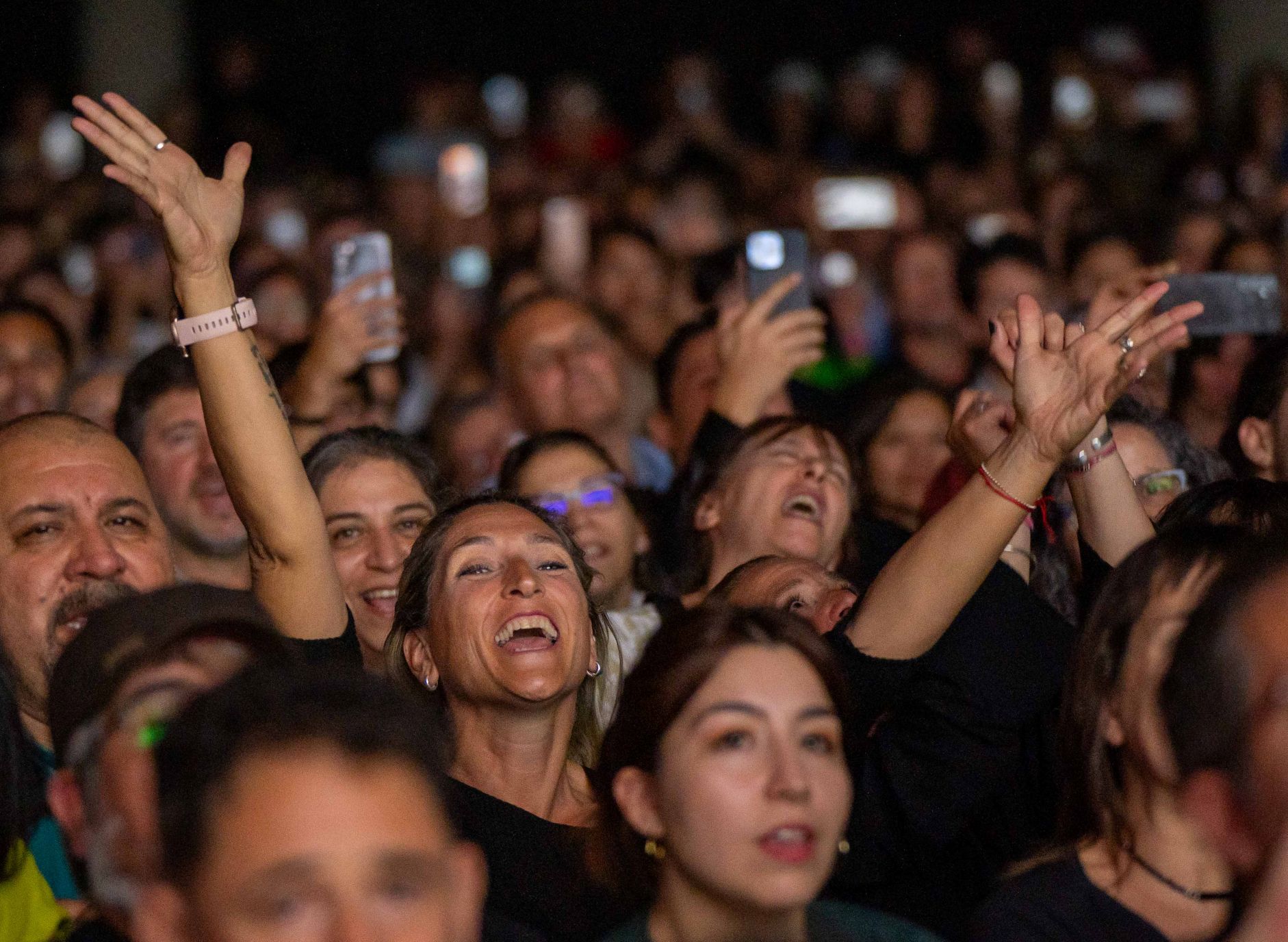
“Now I’m going to give you a premiere,” he joked. And what sounded was “ojala”, in the powerful version he made with the Trovarroco trio: guitar, tres and bass. But the night still had an ace up its sleeve. With the lights in the room already on and part of the audience leaving, an improvised chorus began to roar: “And Silvio doesn’t leave! / And Silvio doesn’t leave!”
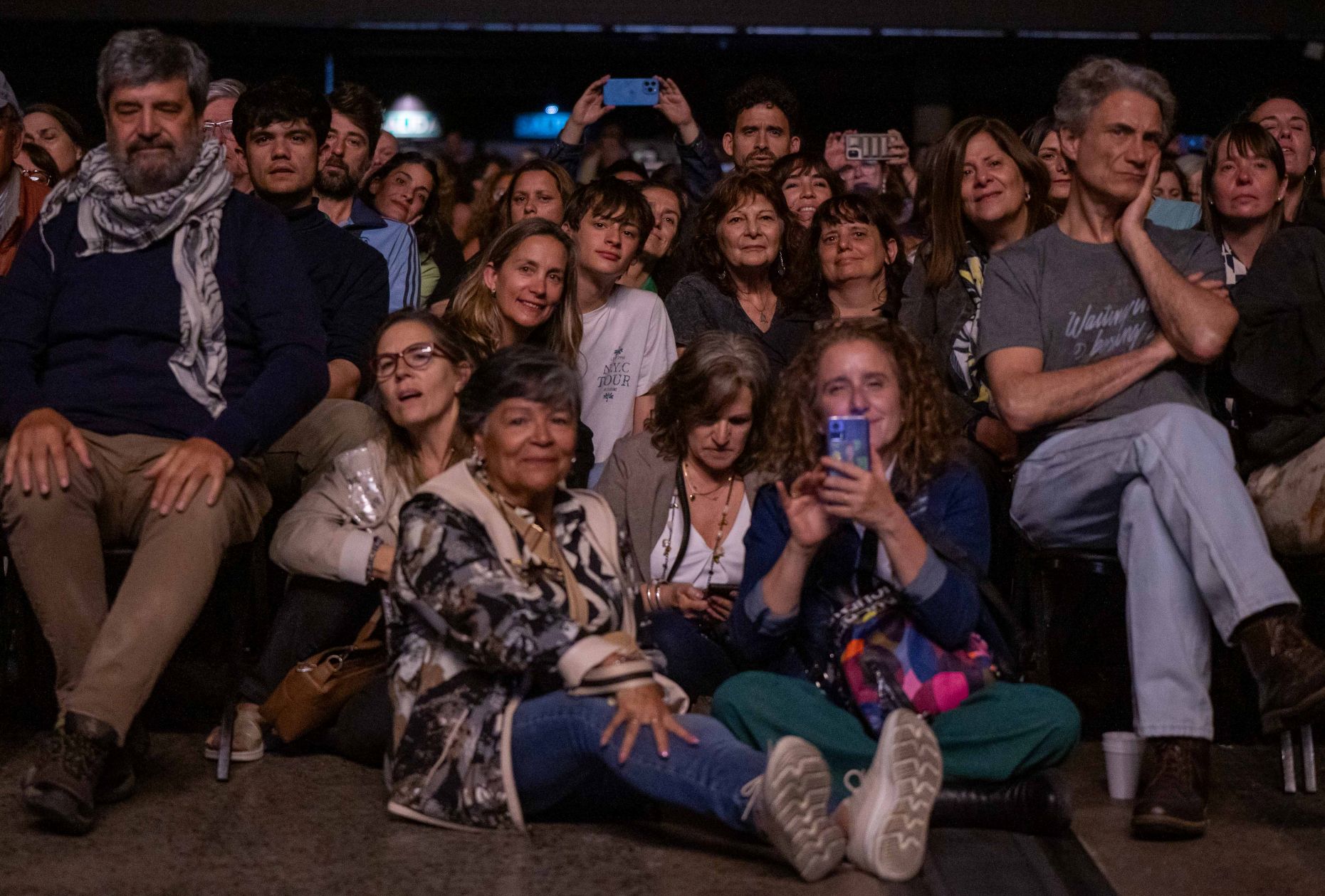
Then, against all protocol, the troubadour returned. He held on to the guitar and sang “Oil of a Woman with a Hat,” which until then he had not performed on this tour. Those present sang it from beginning to end.
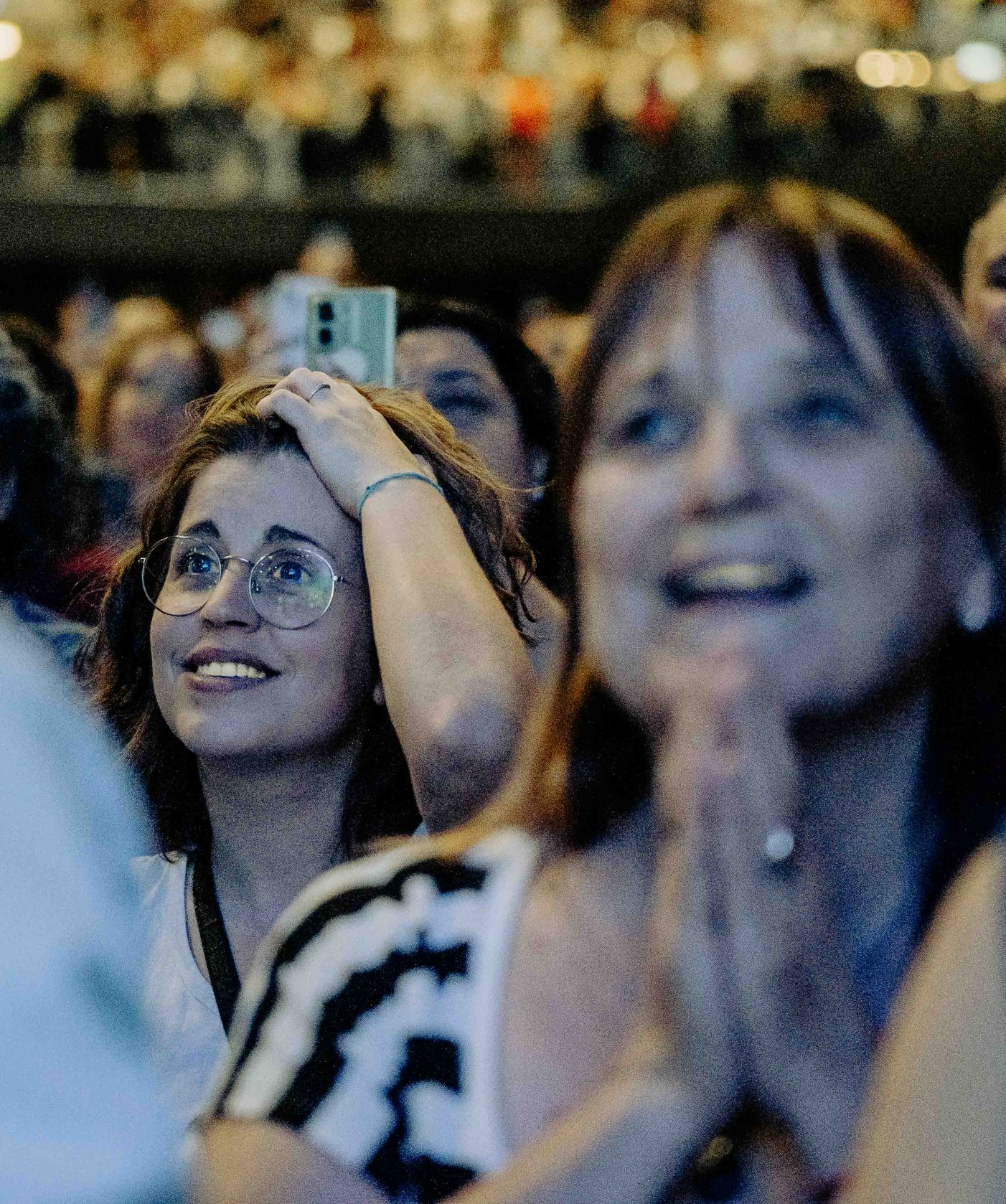
In the final verses, Silvio motioned to Jorge Aragón, on the piano, to accompany him and close the song following the pulse of the audience. The security personnel could not contain the return of those who had already left: people ran back to their seats. At this point, no one was sitting still. That, more than a recital, seemed like a rock concert.
The criticism
“If a live concert can be measured by the audacity of the repertoire, by the climax between musicians and audience, by the dedication of its leader and by the spontaneity of the artistic experience,” Rolling Stone magazine later wrote, “Silvio Rodríguez’s third and last in Buenos Aires was one of the most excellent and memorable of the year, and perhaps of his entire history with the country.”
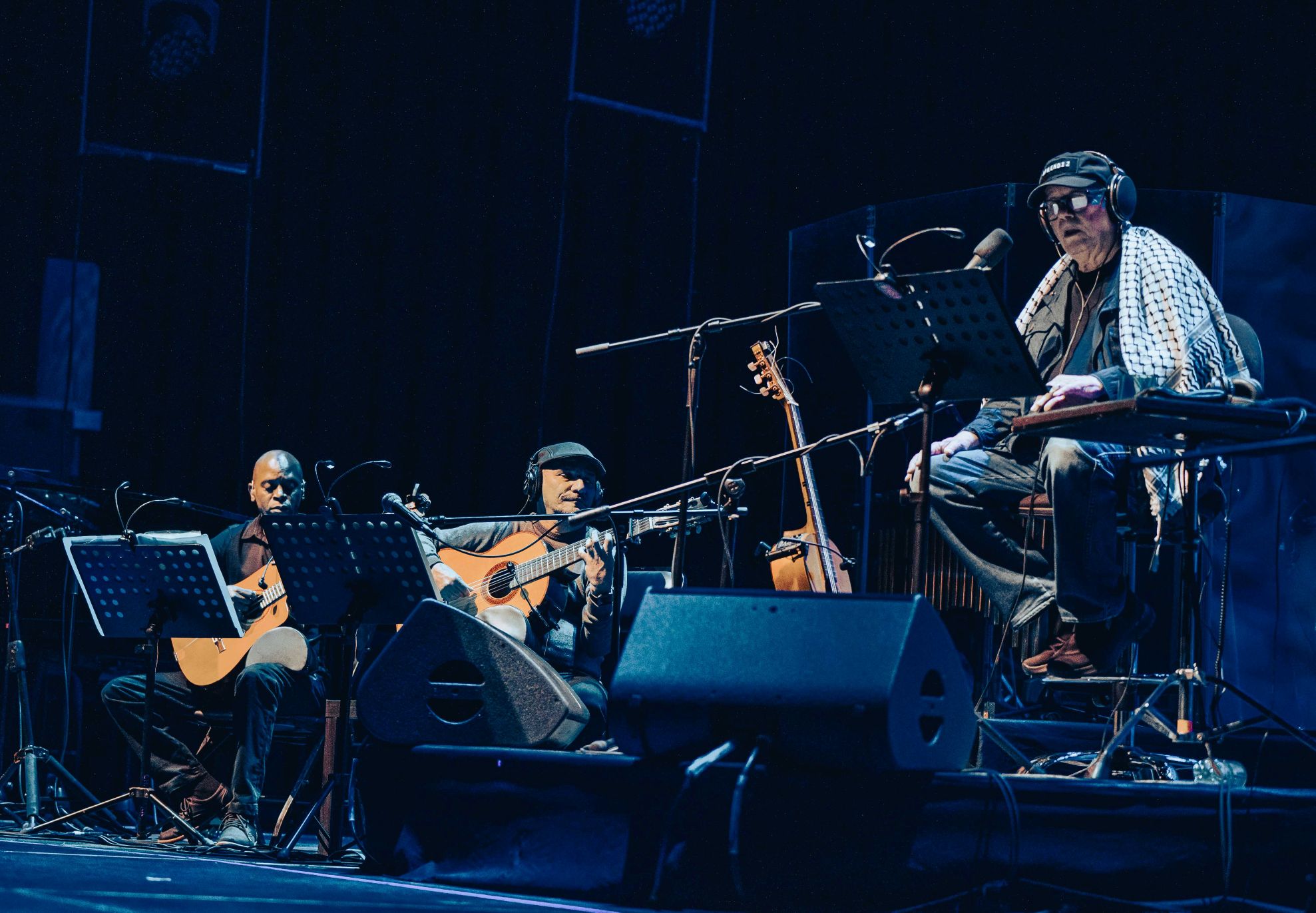
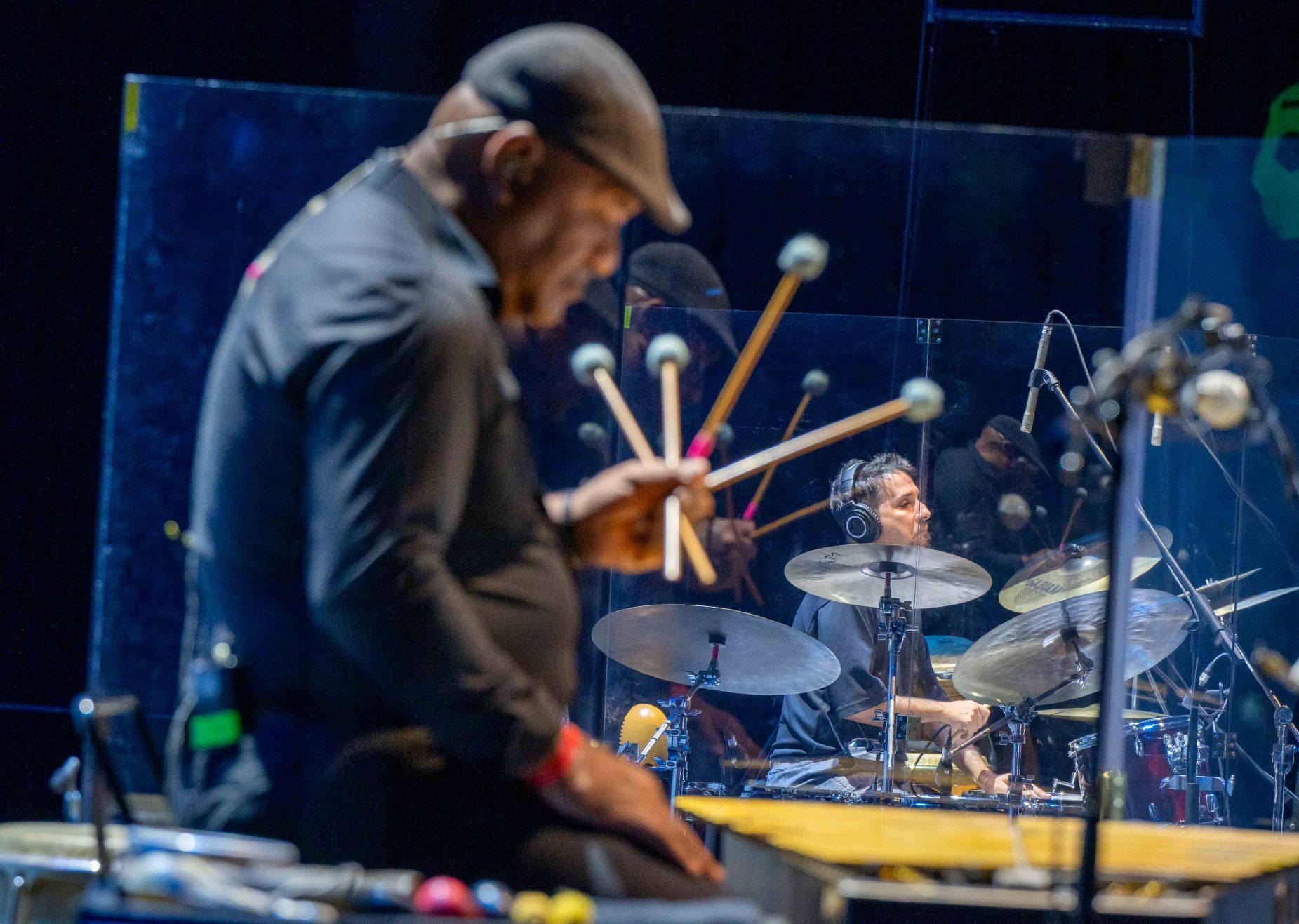
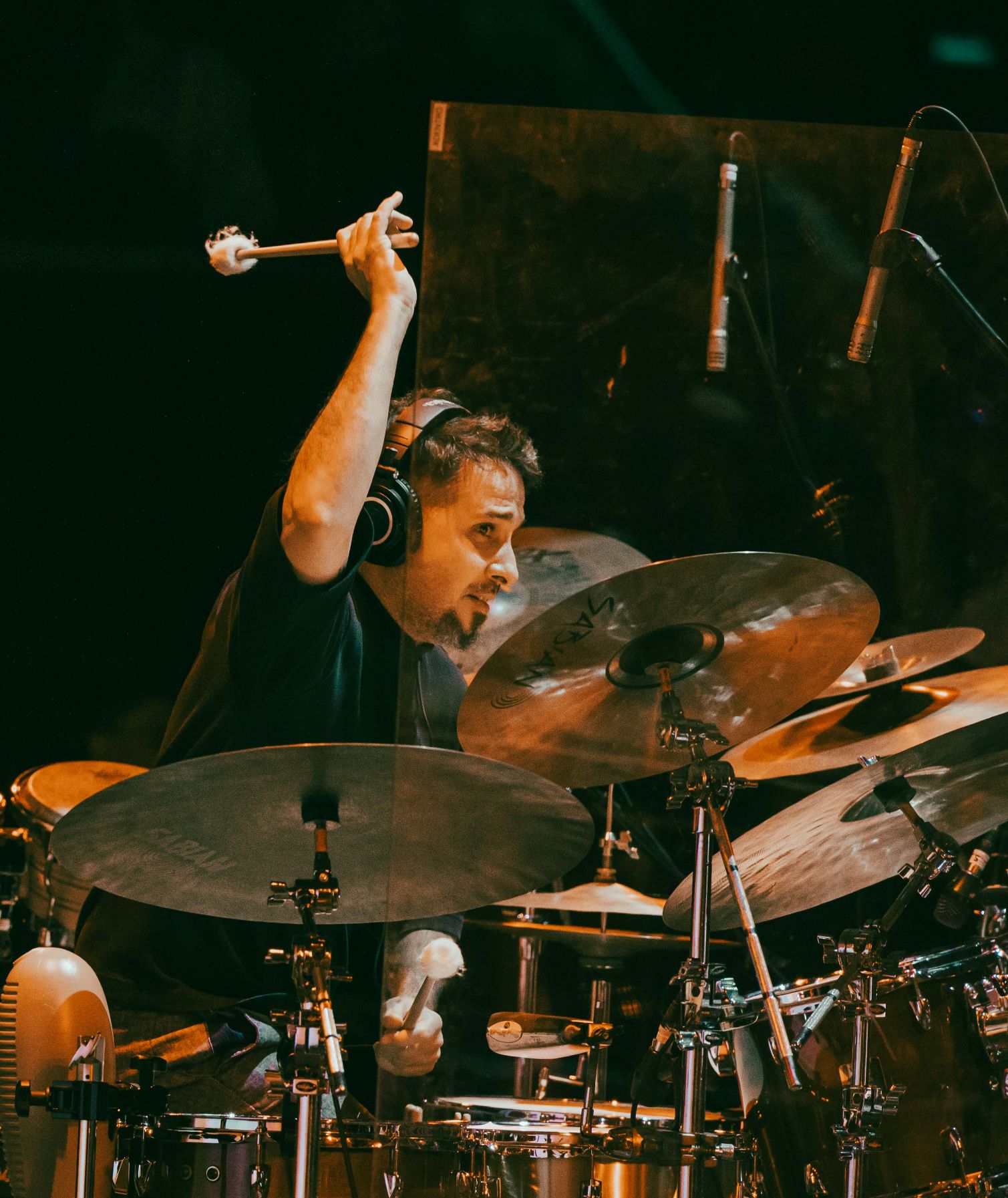
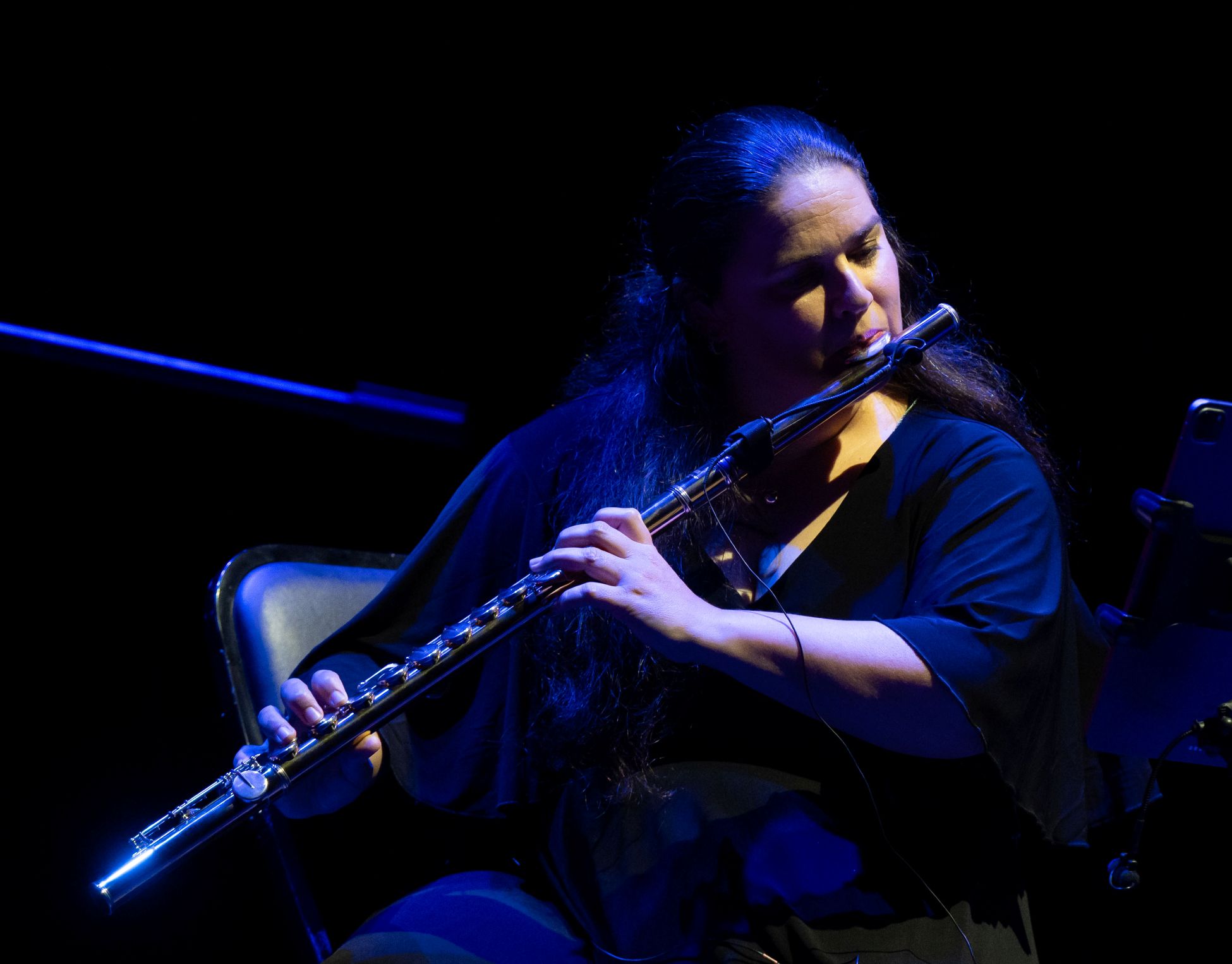
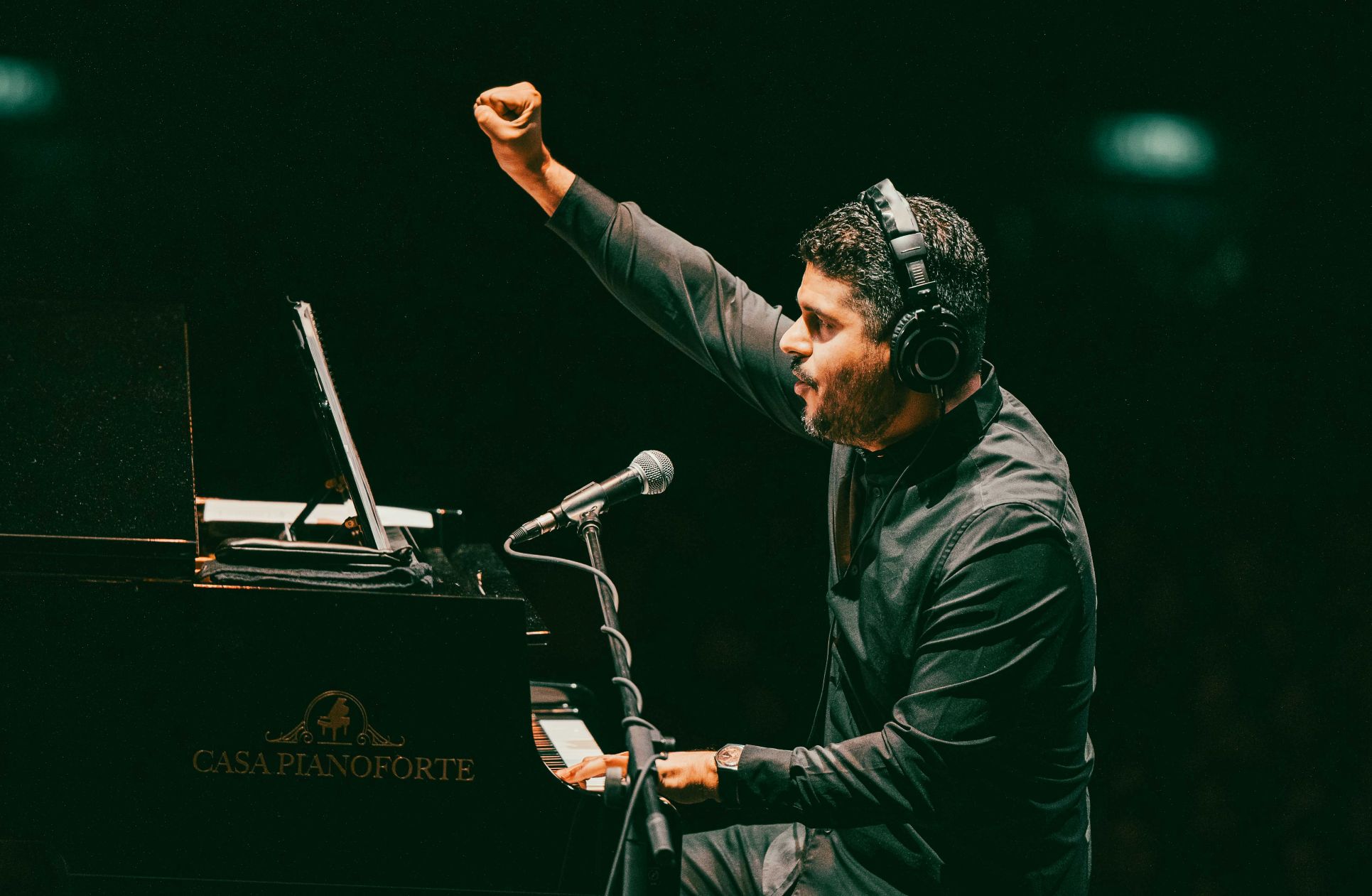
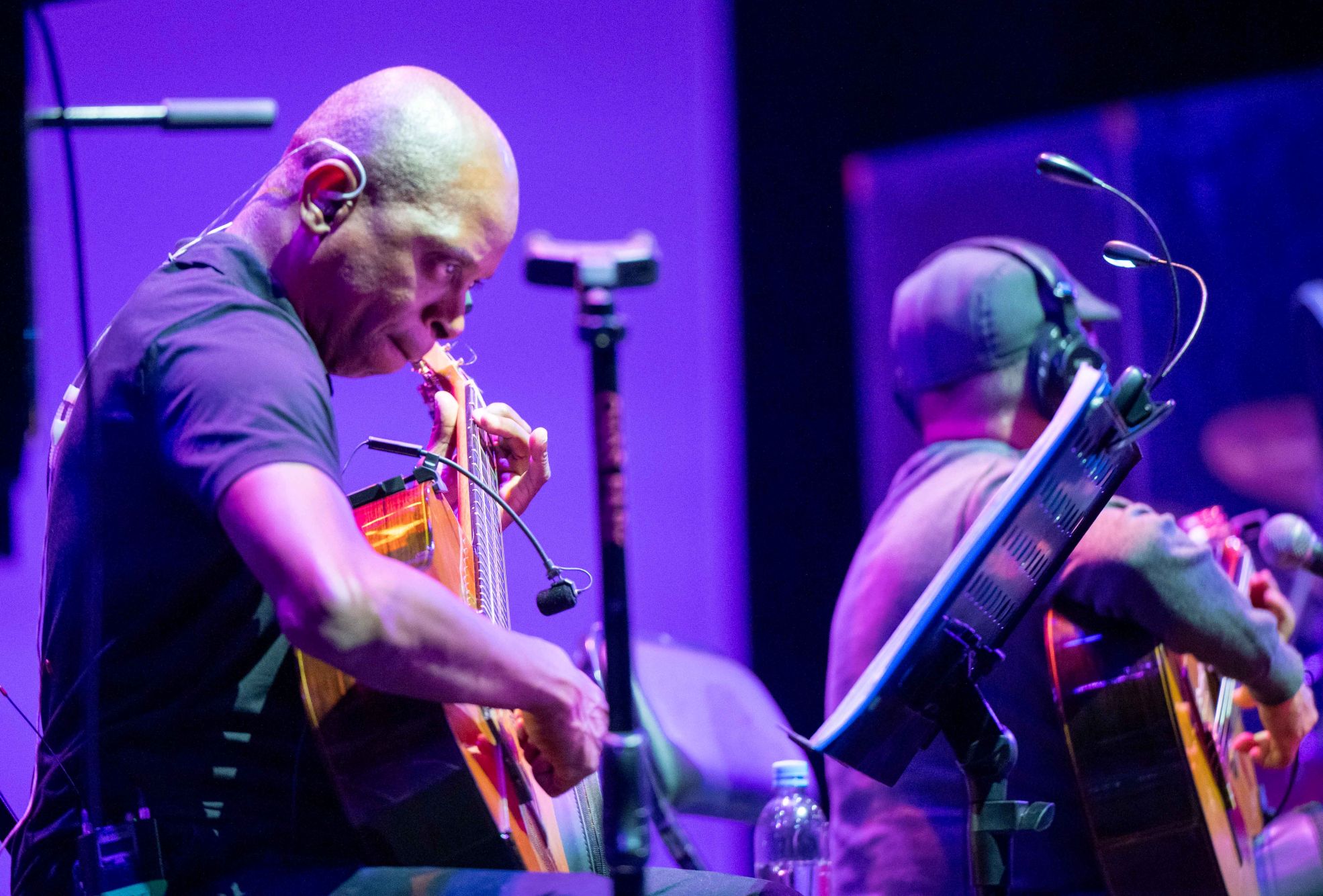
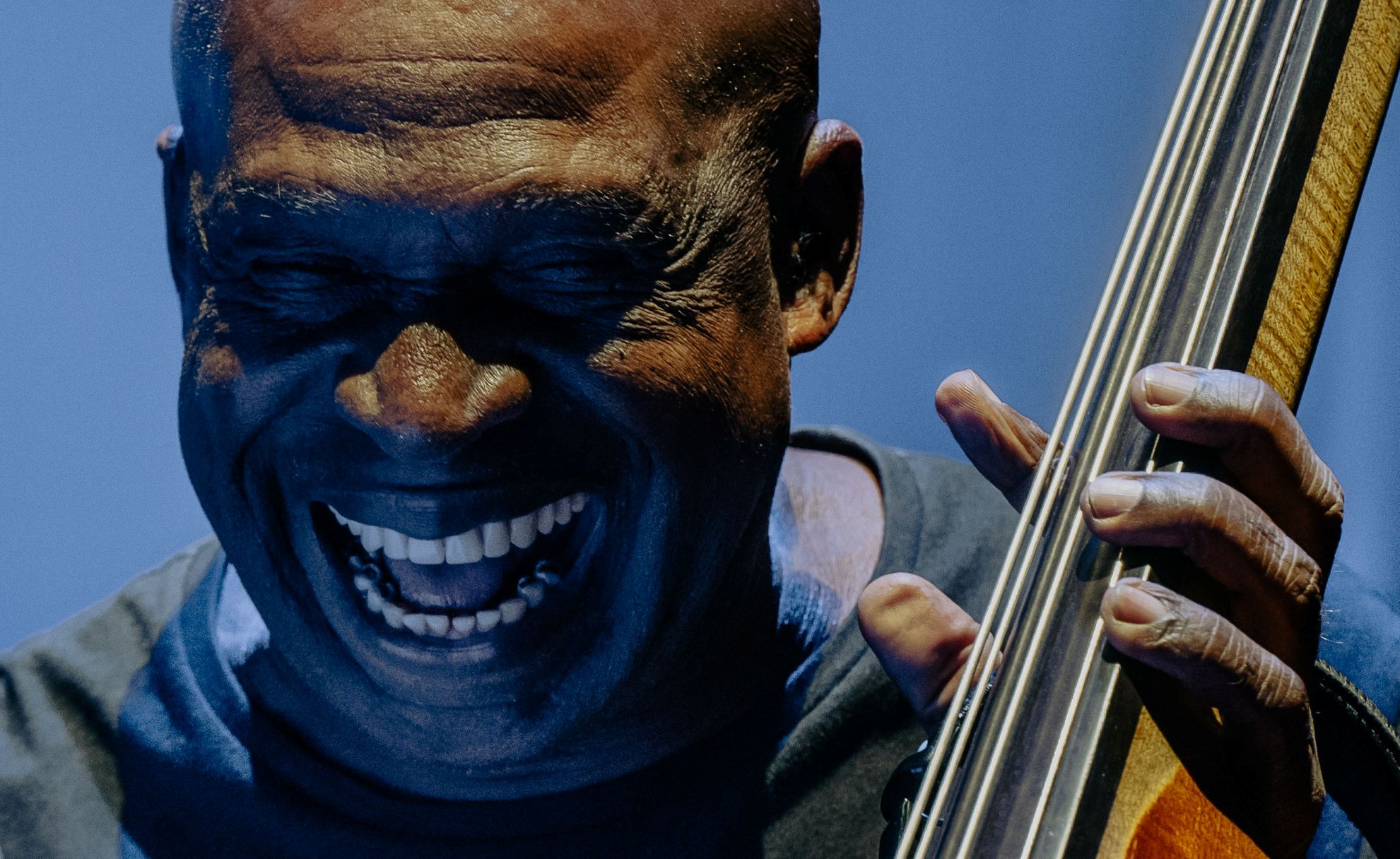
And that praise, of course, also goes to the band: Rachid López (guitar), Maikel Elizarde (tres), Niurka González (flute and clarinet), Oliver Valdés (drums and percussion), Jorge Reyes (double bass), Jorge Aragón (piano), Emilio Vega (vibraphone) and Malva Rodríguez (piano and backing vocals). “He shone in each arrangement. The sound was elastic, precise and warm, a perfect cushion for the troubadour to master the tempos,” can be read in the review of the aforementioned magazine.
Epilogue
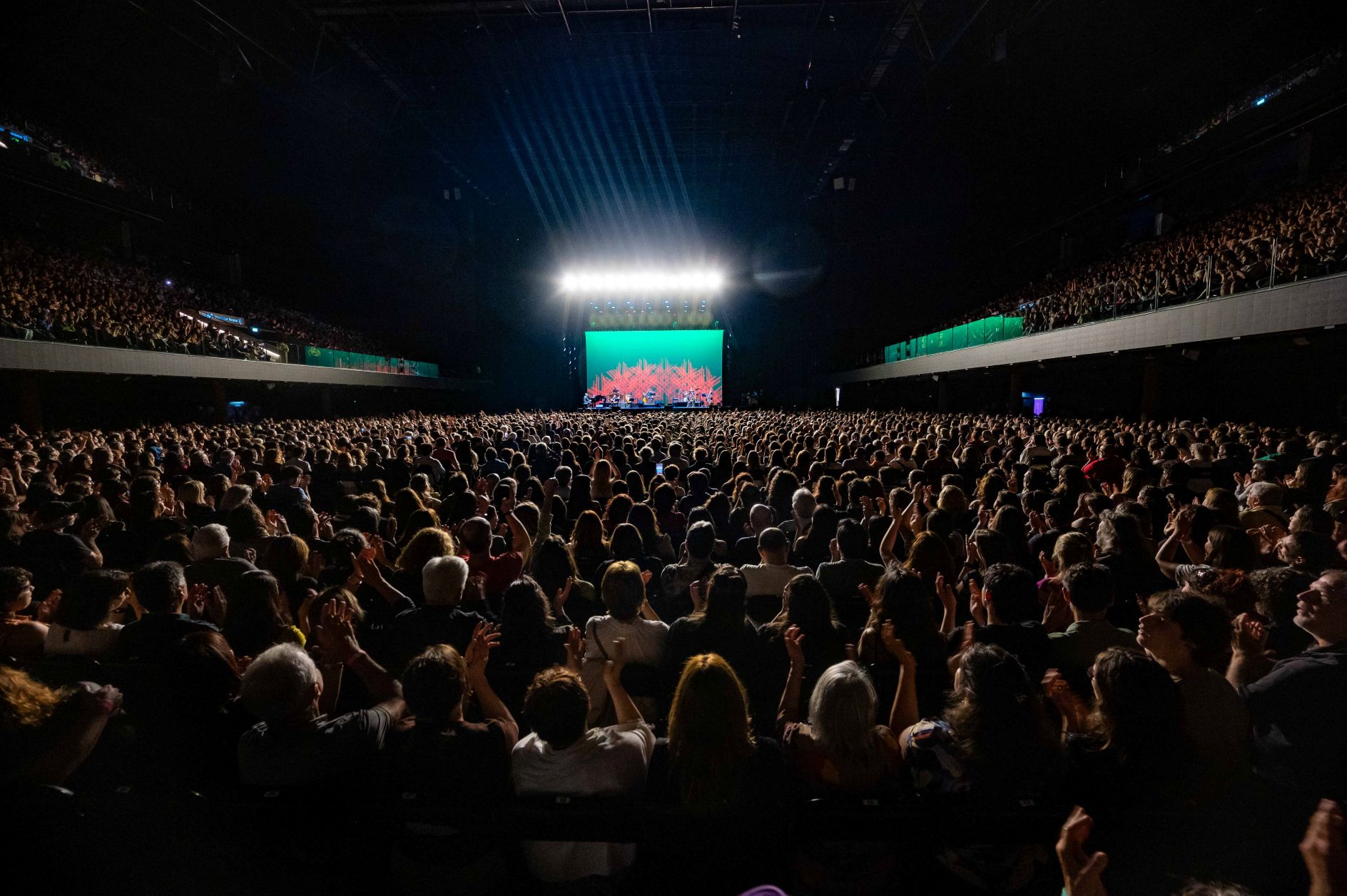
Silvio, before saying goodbye definitively, looked at the audience and smiled. That smile had something of relief and tenderness, like someone who understands that life sometimes gives back what it takes. Perhaps you thought—as at the beginning of this chronicle—that life always gives revenge.
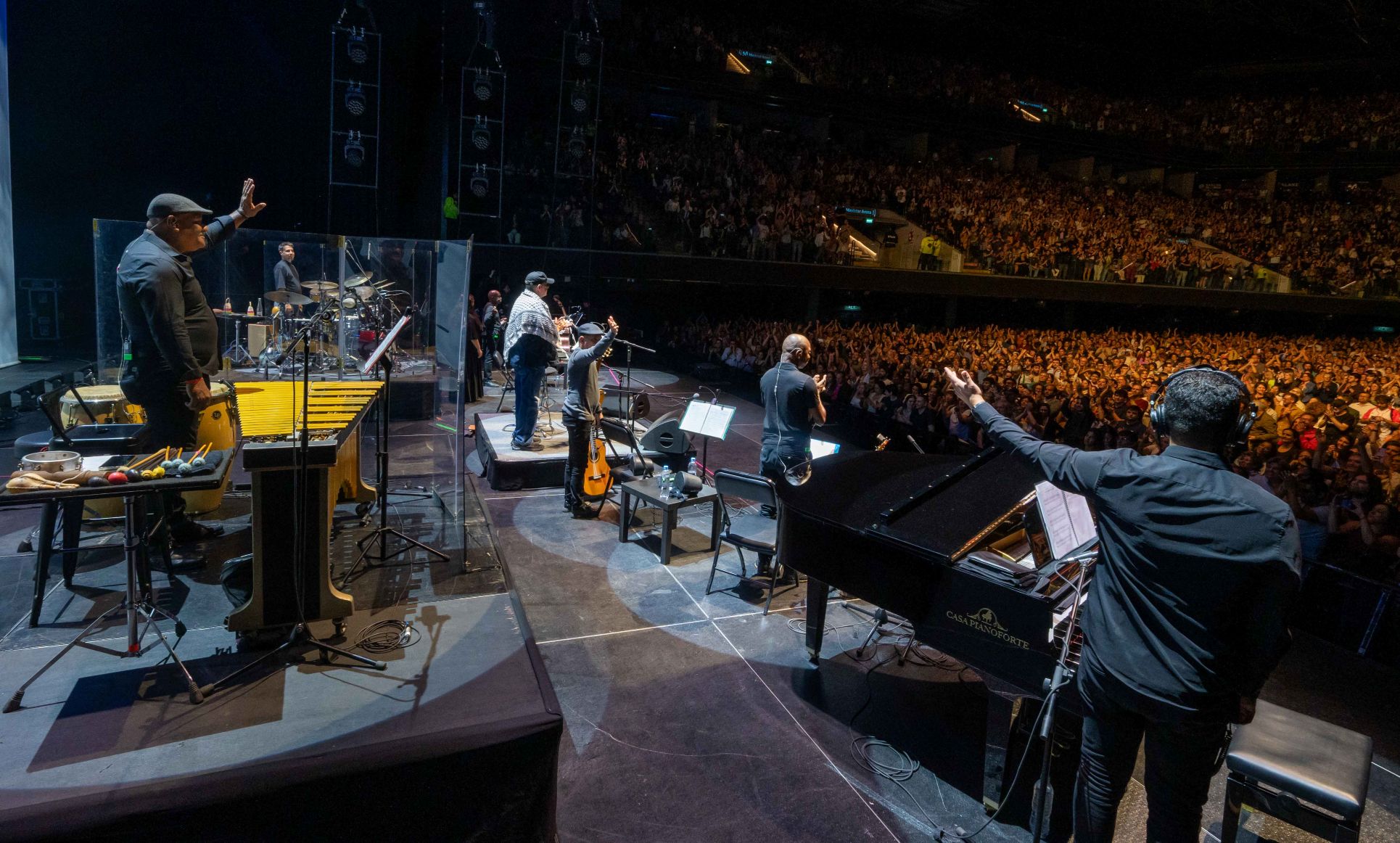
In Cuba we would say that he got even. But not with anger or revenge, but with gratitude. He retaliated by singing, giving himself wholeheartedly, reaffirming that there are still songs that can illuminate the darkness and create community.
Because, in the end, each of their songs—those of love, those of struggle, those that accompany and those that hurt—are part of that: a revenge against oblivion.