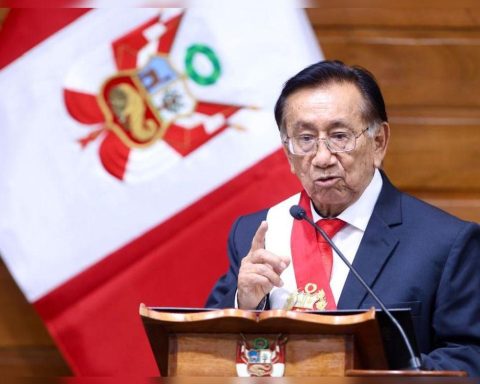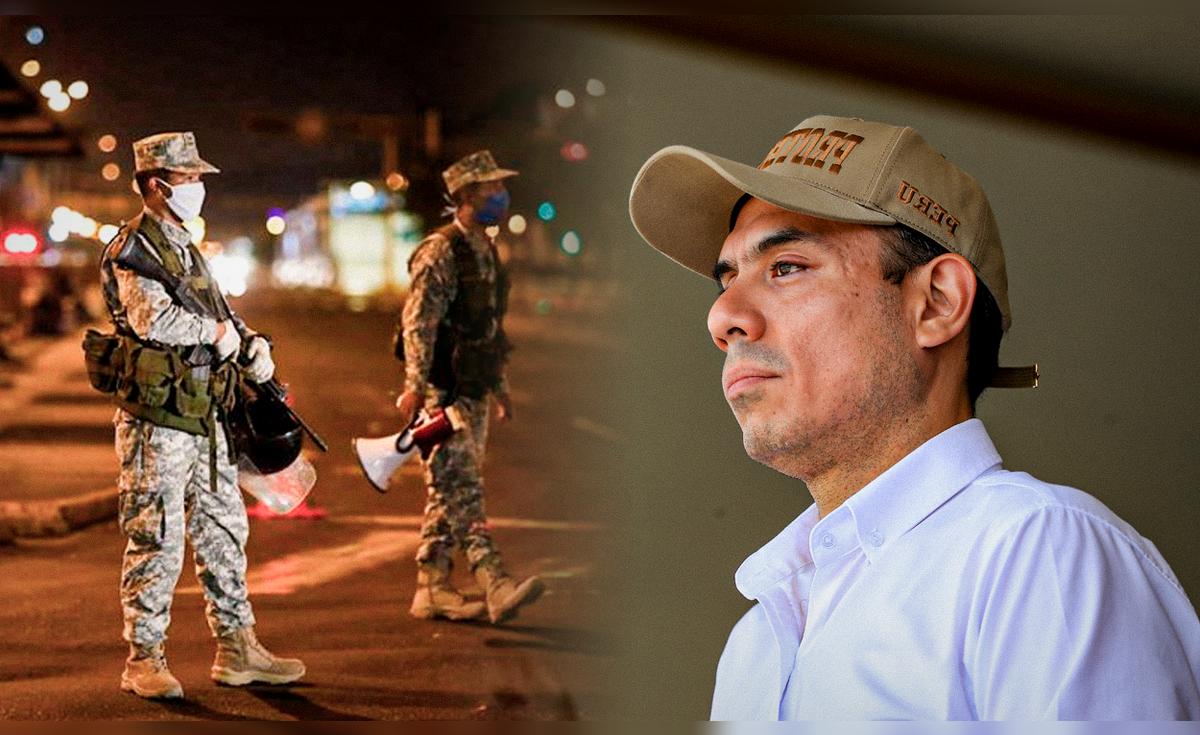
The President of the Republic, José Jerídeclared state of emergency in Lima and Callao for a period of 30 days as a measure to combat crime and extortion on last Tuesday, October 21. However, after his brief message to the nation —less than a minute— several citizens wondered if, in the future, an eventual curfew.
listen to the newsText converted to audio
Artificial intelligence
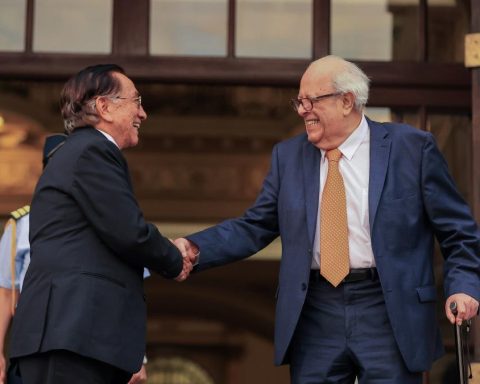
In that sense, in an interview for Tv Perú, the prime minister, Ernesto Alvarezassured that the Government does not rule out applying this measure later. “Not completely, but we are fully aware that the curfew harms a large part of the commerce of Lima and Callao. There is tourism, there is commerce, a nighttime entertainment center, etc. and people who live around provide services to these enterprises,” responded the president of the Council of Ministers when asked if said measure would be applied soon.
WE RECOMMEND YOU
STATE OF EMERGENCY AND WE HAD BEEN T3RRUQU34D0 SO MUCH | WITHOUT SCRIPT WITH ROSA MARÍA PALACIOS
Along the same lines, the head of the PCM maintained that the economic impact that would be generated in certain businesses due to a curfew was a point for not implementing it for now.
“Any restrictive measure of freedom must always be proportional and rational. Measures to restrict freedom cannot be taken without real support, without a weighing of rights that really justify the standing citizen having to avoid some attitudes or activities. That is why the nighttime restriction has been ruled out for now,” he highlighted.
State of emergency in Lima and Callao does not include curfew: these are the measures for 30 days
In the resolution published in the official newspaper El Peruano, various measures are established, such as the prohibition of mass gatherings, patrols in bus stops and critical areas, the restriction on two adults traveling on the same motorcycle and identity control operations. In addition, the frequency of visits in penitentiary centers is limited and the joint action of the National Police of Peru, the Armed Forces and the Municipal Serenazgo is provided.
The decree establishes measures for prison control and the prevention of illicit telecommunications. Visits are restricted in penitentiary establishments, allowing one weekly visit for inmates in the ordinary closed regime and a biweekly visit for those in the special closed regime. This last group will only be able to receive visits from relatives up to the fourth degree of consanguinity and second degree of affinity.
As part of the measures to combat illicit telecommunications, an electrical blackout will be implemented in the cells, allowing only essential lighting. In addition, illegal telecommunications antennas will be dismantled and destroyed, a task that will be supervised by the Armed Forces.