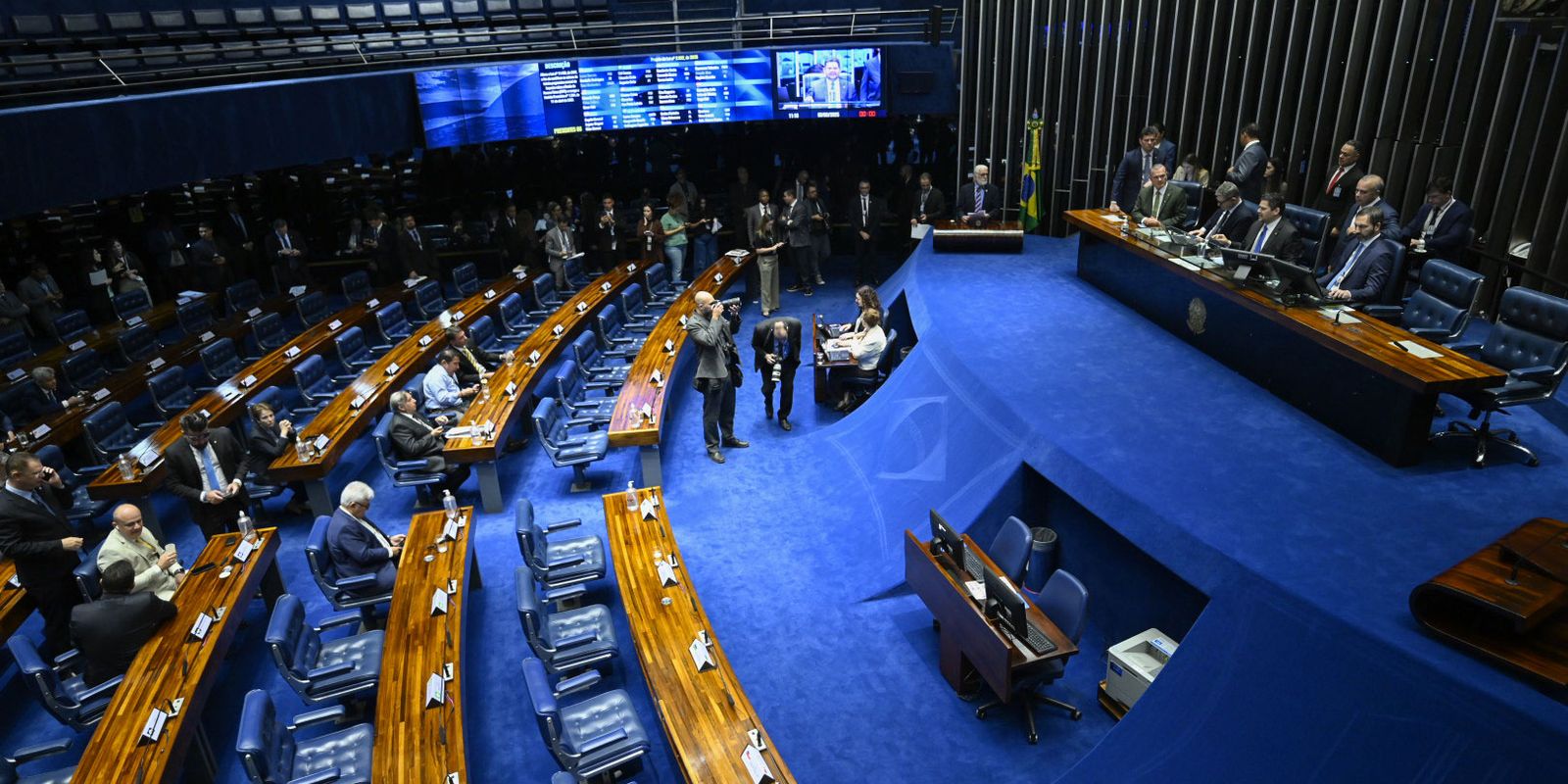
The Senate approved this Wednesday (22) the bill that authorizes the Executive Branch to deduct expenses on strategic projects in National Defense from the primary result target. The objective is to ensure budget predictability to modernize fleets and continue strategic programs.
The measure can guarantee R$5 billion in resources per year, for six years. The text now goes to the Chamber of Deputies.
The project authorizes the withdrawal of resources, in the six years following the approval of the law, from both the primary result targets and the annual expenditure limits of the fiscal framework. The amounts would come from surplus funds from the Army, Navy and Air Force.
According to the text, for 2025, the expense authorized to be deducted is 60%. With this, the government could remove R$3 billion from the calculation of the primary result.
Furthermore, the text says that strategic projects should contribute to the development of the Defense Industrial Base and that the remaining expenses related to expenses “will not be counted in the primary result target established in the respective budget guidelines law, regardless of the exercise of its execution.”
The rapporteur, senator Randolfe Rodrigues (PT-AP), argued that, although fiscal targets are important for the country’s stability, the fiscal rule cannot be pursued by limiting resources, in order to generate “even greater financial losses in the coming years”.
“This is the case of strategic projects for National Defense. The construction of a frigate or a submarine stopped due to lack of resources can ruin the entire project and generate losses due to depreciation of equipment much greater than the contingency values in a given year”, he argued.
Randolfe also said that the measure strengthens National Defense, job creation and technological development.
“In addition, the project aims to avoid wasting resources, since projects paralyzed due to lack of budget generate the deterioration of equipment and facilities, in addition to financial difficulties for suppliers, given that many segments of the defense production chains are dependent on government purchases. In this way, these resources will generate stability and predictability for the Ministry of Defense’s investments in the coming years”, he argued.