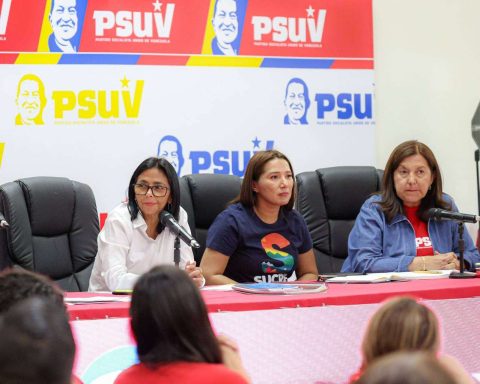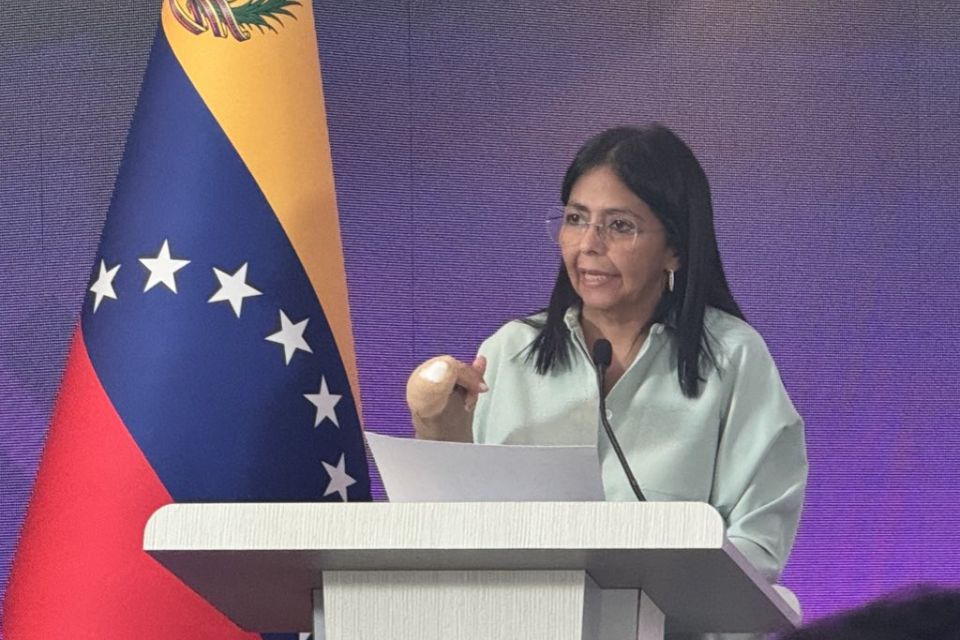
Vice President Delcy Rodríguez assured that Venezuela has accumulated 18 quarters of economic growth. He said that according to BCV figures, the economy grew 8.71% in the last quarter and an increase of 8.5% is projected by the end of the year. The vice president also warned Trinidad and Tobago about alleged “lies” from the United States regarding bilateral gas agreements
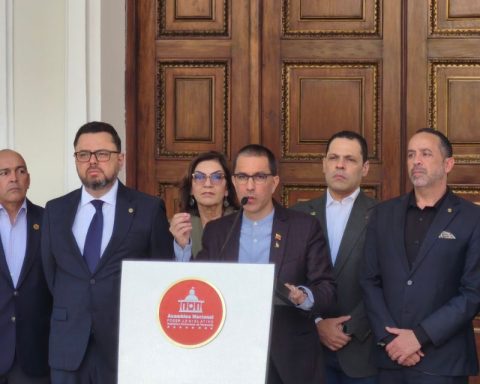
The Vice President of the Republic, Delcy Rodríguez, reaffirmed that the country has shown resilience and resistance, despite the “economic blockade”, with growth in 18 consecutive quarters. During the “Productive Venezuela 2030” forum, held on October 22, he highlighted the productive union between the public and private sectors and stated that “there is growth in food consumption.”
He pointed out that, according to figures from the Central Bank of Venezuela (BCV), the Venezuelan economy has grown 8.71% in the last third quarter and announced that a growth of 8.5% is projected for the end of this year. Rodríguez stated that the hydrocarbon sector also grew 16% in oil activity, as well as non-oil exports, especially in the food sector.
He specified that iron exports in August 2025 reached the highest levels of the last decade; However, he did not detail the growth numbers. He announced that it is planned to export the first molecule of gas in 2027 or “even before.”
Regarding gas, Delcy Rodríguez warned Trinidad and Tobago that Marco Rubio, Secretary of State of the United States, tells them “lies” about an idea that they will take gas from Venezuela and give it to them. He recalled that there are agreements regarding gas with that country and told them that, if they are not fulfilled, “the country’s economy will collapse and will impact the Caribbean.”
«They need gas from Venezuela and the only way is with the government of Venezuela, with the Venezuelan State. There is no other way. It is not Marco Rubio, who is going to give gas to Trinidad and Tobago,” the minister asserted.
On the other hand, Rodríguez reported that there was a drop of almost 6% in non-oil imports and explained that it is due to growth and import substitution policies. Some of these reductions mentioned were: rice by 73%, corn by 57%, sugar by 85%, pasta by 90% and medicines by 30%.
*Read also: NGOs reject new surveillance app: It seeks to deepen repression through digital means
*Journalism in Venezuela is carried out in a hostile environment for the press with dozens of legal instruments in place to punish the word, especially the laws “against hate”, “against fascism” and “against the blockade.” This content was written taking into consideration the threats and limits that, consequently, have been imposed on the dissemination of information from within the country.
Post Views: 81