The National Assembly presented the balance of the Council for Sovereignty and Peace. Representative América Pérez affirmed that more than 90% of Venezuelans reject aggression against the country. They also called a meeting with the Parliaments of the Caribbean to discuss the military deployment by the US.
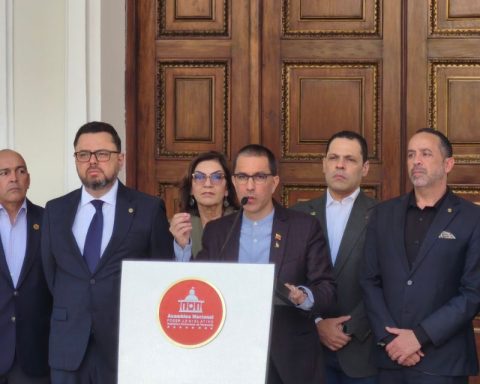
The National Assembly presented a balance of the activities carried out within the framework of the National Council for Sovereignty and Peace, a space that was created to strengthen national unity and promote the defense of the national territory against the military deployment by the United States in the Caribbean, which that administration claims is to fight against drug trafficking, but which the ruling party considers seeks to overthrow Nicolás Maduro.
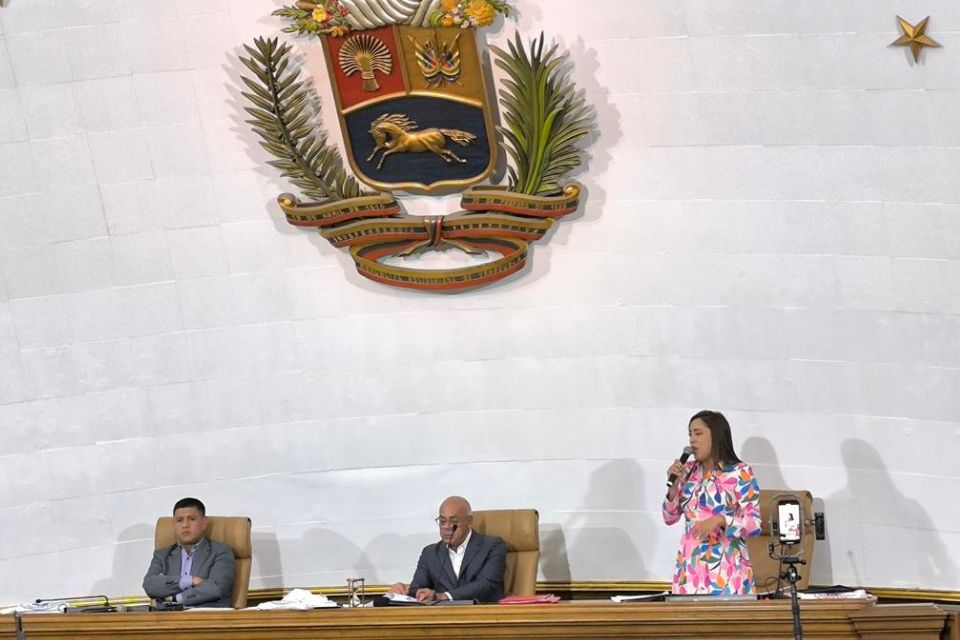
The person in charge of making the presentation was the second vice president of Parliament, América Pérez, who highlighted that since the installation, on September 16, the Council for Sovereignty and Peace, has generated a constant agenda of work together with all the deputies: “We installed 25 state councils for sovereignty and peace,” she said.
“More than 90% of the Venezuelan people reject an aggression against our people,” said the deputy, while emphasizing that being part of the Council for Sovereignty and Peace is not a partisan act: “That cohesion and that unity that is not necessarily partisan, that when we convene this National Council we do not ask that they come dressed in one color or that they come with a flag,” she indicated.
*Read also: Padrino López offers FAN support to Colombia to “face the threats” from the US
The Council, which is led by Jorge Rodríguez, brought together students, businessmen, entrepreneurs, social movements and political parties with the intention of strengthening social cohesion and defending peace.
América Pérez reported that they set up four working groups: legal, political, international and economic, with the purpose of raising their voices in each of these sectors. The president of the AN also extended an invitation to the Caribbean parliaments to meet in the country to “debate the threat, which is not only against Venezuela, it is against the Caribbean countries, against democracy, against the sovereignty and self-determination of all the countries of Latin America,” explained the deputy.
During the session on October 21, the deputies also approved a draft agreement on the occasion of the canonization of Mother Carmen Rendiles and Doctor José Gregorio Hernández; which was approved unanimously.
Another project approved was in commemoration of the 13 years of the “Golpe de Timón”, which recalled a speech from 12 years ago by the late Hugo Chávez, where he spoke of deepening the experiences of the communal councils in various areas.
*Journalism in Venezuela is carried out in a hostile environment for the press with dozens of legal instruments in place to punish the word, especially the laws “against hate”, “against fascism” and “against the blockade.” This content was written taking into consideration the threats and limits that, consequently, have been imposed on the dissemination of information from within the country.
Post Views: 335