“Regressive” Batres proposal
Ángel Ibarra Jasso mentioned that it is difficult for a person with disabilities to approach government institutions, because they live in fear of being historically discriminated against.
In addition, he commented that affirmative actions by people with disabilities are used to access public positions, such as, he said, in Michoacán, where there is a local representative who entered the state Congress under this figure, but never stated that she lives with a disability.
The activist also proposed that legislators be forced to approach people with disabilities to consult them.
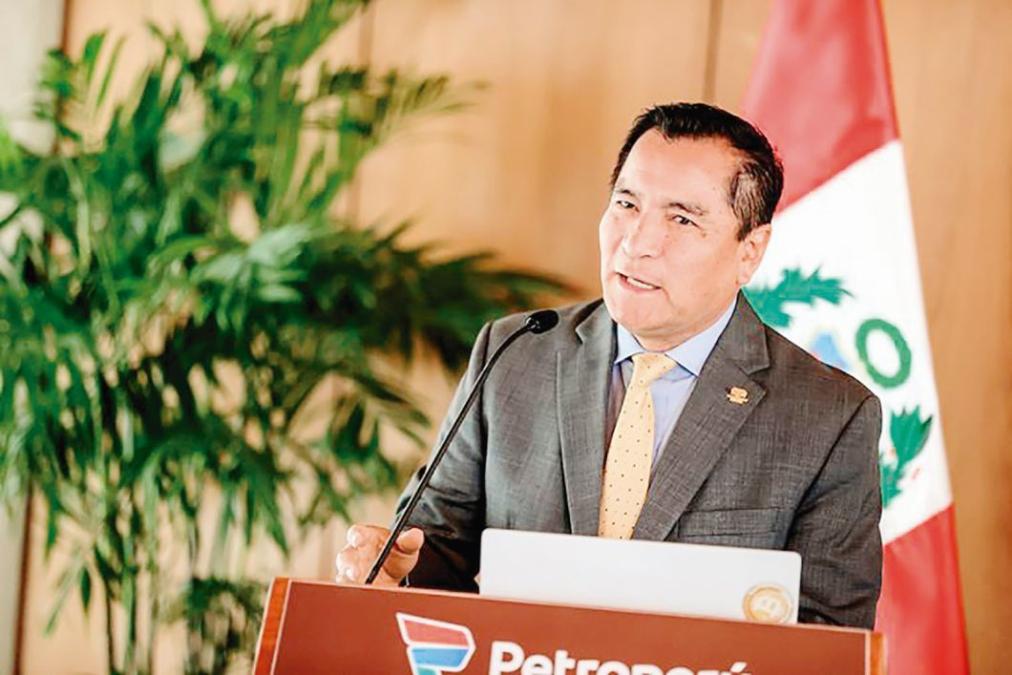
Other participants described as “regressive” the proposal by Minister Lenia Batres to change the criteria that the SCJN has applied for nine years on invalidating laws when people with disabilities are not consulted.
In this case there is Miguel Ángel Miranda Aquino, from the Morelense Alliance of Associations in favor of the Rights of People with Disabilities, who not only said that the proposal was “regressive”, but that officials are making decisions without them.
“The motto of the Convention on the Rights of Persons with Disabilities is ‘nothing about us without us. Decisions are being made, separately without consulting us, without us being present in the entire process,” commented the activist.
(Photo: Special)
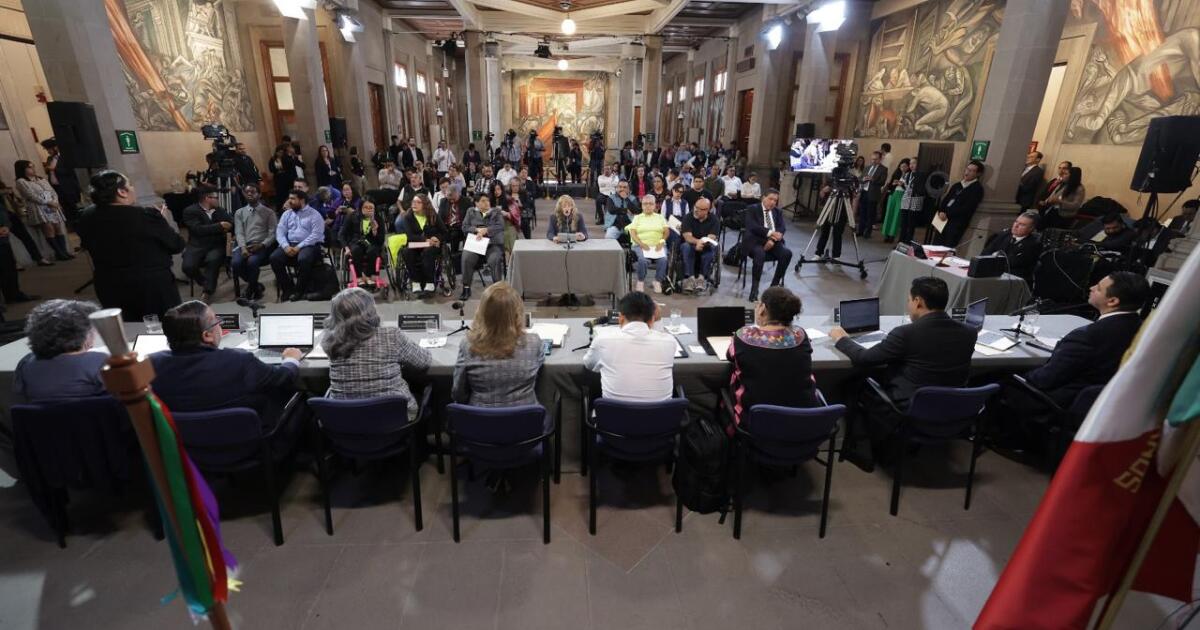
However, there were not only complaints, but disagreements between the ministers of the SCJN. While Lenia Batres assured that the Plenary Court approved her proposal to change criteria, her colleague Giovanni Figueroa clarified that this was not the case.
“I emphasize that the change in criteria that Minister Lenia Batres has indicated in her speech is her opinion, it is an issue that is still subject to debate by this Supreme Court, otherwise I believe that it would make no sense to have called them to this public hearing and I emphasize that this matter has not been resolved yet,” he emphasized.
They promised consultations
Since August, the ministers agreed that the new Supreme Court of Justice of the Nation will hold public hearings.
The president of the highest court, Hugo Aguilar Ortiz, pointed out that citizens, “the people”, communities and experts who wish to express their opinions may participate in these.
“Among the relevant agreements that are projected is the agreement to regulate the holding of public hearings in which citizens who know the reality being judged can participate,” he said in a statement.
The holding of public hearings were campaign promises of several candidates for ministers who participated in the first election on June 1, such as Hugo Aguilar.