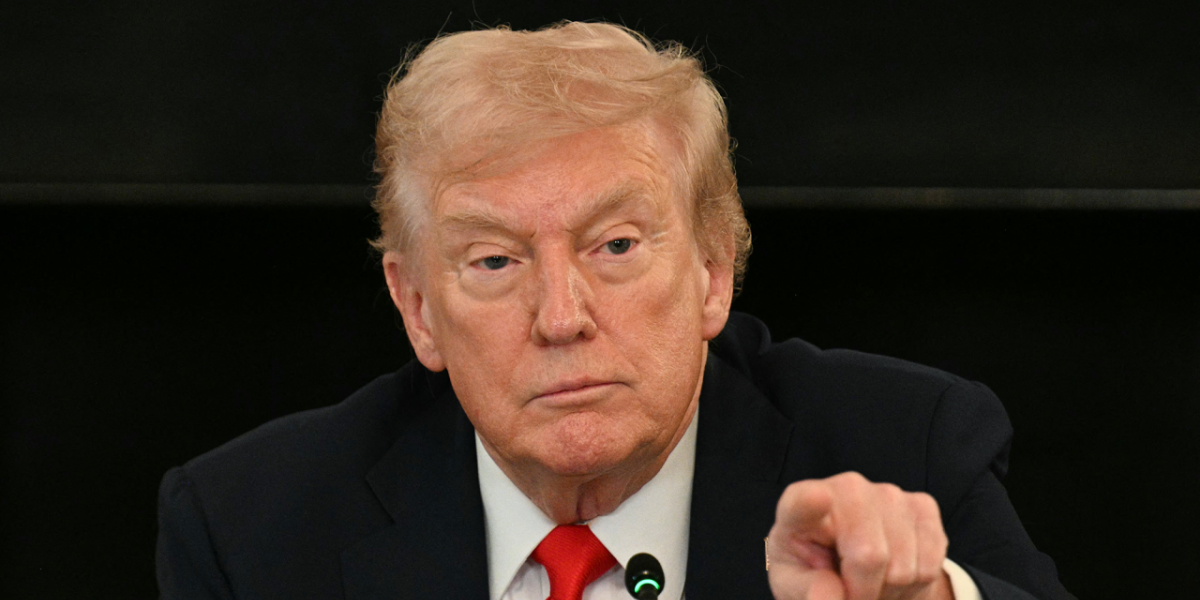
The political discourse of donald trump continues marked by el anti-Mexicanism and xenophobiawarned specialists from the North American Research Center (CISAN) of the National Autonomous University of Mexico (UNAM).
During an academic seminar, they agreed that the rejection of Mexicans has become a structural element within the Republican rhetoric in the United States.
The researchers Leonardo Curzio Gutiérrez, José Alejandro Mosqueda Esparza and Camelia Nicoleta Tigau pointed out that, although both countries maintain strong economic integration, particularly in the context of the nearshoringa hostile narrative persists that translates into restrictive immigration policies and the hardening of the border.
“He anti-mexicanism “It is a structuring discourse of the political attitudes of the American right, with roots in demographic, immigration issues and the so-called ‘war on drugs,’” the academics stressed.
They explained that this type of rhetoric seeks to capitalize on fear and social resentment, reinforcing historical prejudices towards Mexican and Latin American migrants.
According to specialists, the deportations continue to be an indicator of that exclusionary policy: only in 2024, Mexicans represented 32% of the total number of people expelled from US territorythe highest proportion by nationality. Furthermore, they estimated that a mass deportation would have negative consequences for the United States economy, reducing its GDP between 2.6% and 6.2% in the coming decades.
CISAN highlighted that this phenomenon is not new, but it intensifies every time Trump reappears in the political arena. Their rhetoric (based on fear of the “other” and the idea of cultural and economic loss) is reactivated during electoral periods and continues to shape public opinion.
The academics concluded that the anti-mexicanism It is not only a reflection of historical tensions, but also a political tool that conditions bilateral relations and the current immigration debates between Mexico and the United States.