Representatives of the business sector rated as “cosmetic“and insufficient reform to the Labor Code approved on second reading by the Senate of the Republicconsidering that the project does not incorporate the structural changes necessary to promote the formal employment and the competitiveness of the country.
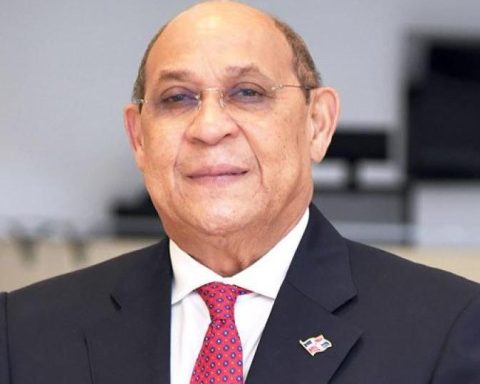
The executive vice president of National Council of Private Enterprise (Conep), Caesar Dargamacknowledged that the project contains some progressbut warned that, in its current state, the reform it turns out incomplete.
“If you have to classify this reformit is a reform that has become lame. It has been a reform cosmetic in some respects,” he declared.
Dargam regretted that key proposals of the business sectorespecially with regard to unemployment regimewere not taken into account by the Senate.
“We do not establish a single position, but rather we propose multiple optionsand were not welcomed“he stated.
In this sense, he called on the Chamber of Deputies so that, in the review of the partis shown greater opening and vision of the future.
“It’s a code of a country that has changedwhich is looking to compete with the rest of the world and which needs to be competitive“he stressed.
Exclusion of ten proposals
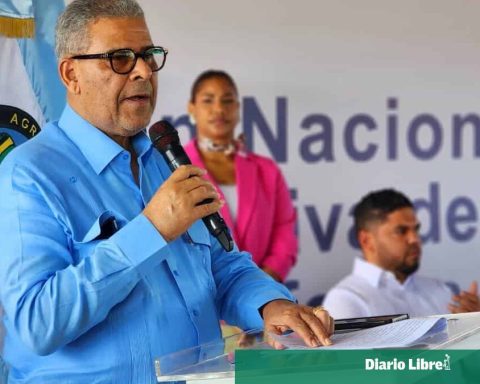
The chairwoman of the Employers’ Confederation of the Dominican Republic (Copardom), Laura Pena Izquierdoalso expressed his disappointment at the exclusion of more than ten fundamental proposals presented by your organization.
“We regret that none of our proposals, which were fundamental to promote the formal employment in the country, has been received,” he indicated.
Peña Izquierdo highlighted that, although there were progress in matters of procedures and process simplificationthe substantive aspects of the labor regime remain unaddressed.
“The informality in our economy it is around 54 or 55 percent in the last decade. The changes we propose seek to encourage formal employment and reduce that number effectively,” he added.
- Both the Conep as Copardom They assured that they will continue to participate in the legislative process and reiterated their willingness to tripartite dialogue. However, they warned that losing this opportunity for reform truly transformative would be a setback for the country.
The part will now go to Chamber of Deputieswhere the business community expects its approaches are duly considered.