The day before singing in a packed micro-stadium—two shows, Friday and Saturday, at the Antel Arena in Montevideo, with seats sold out for months—Silvio Rodríguez chose the dirt road to Rincón del Cerro.
Thirteen years after his last visit to Uruguay, before the reunion with thousands of people a night, the troubadour wanted to knock on another door: that of the humble farm of José “Pepe” Mujica and his partner in life and struggle, Lucía Topolansky. He wanted to go see her.
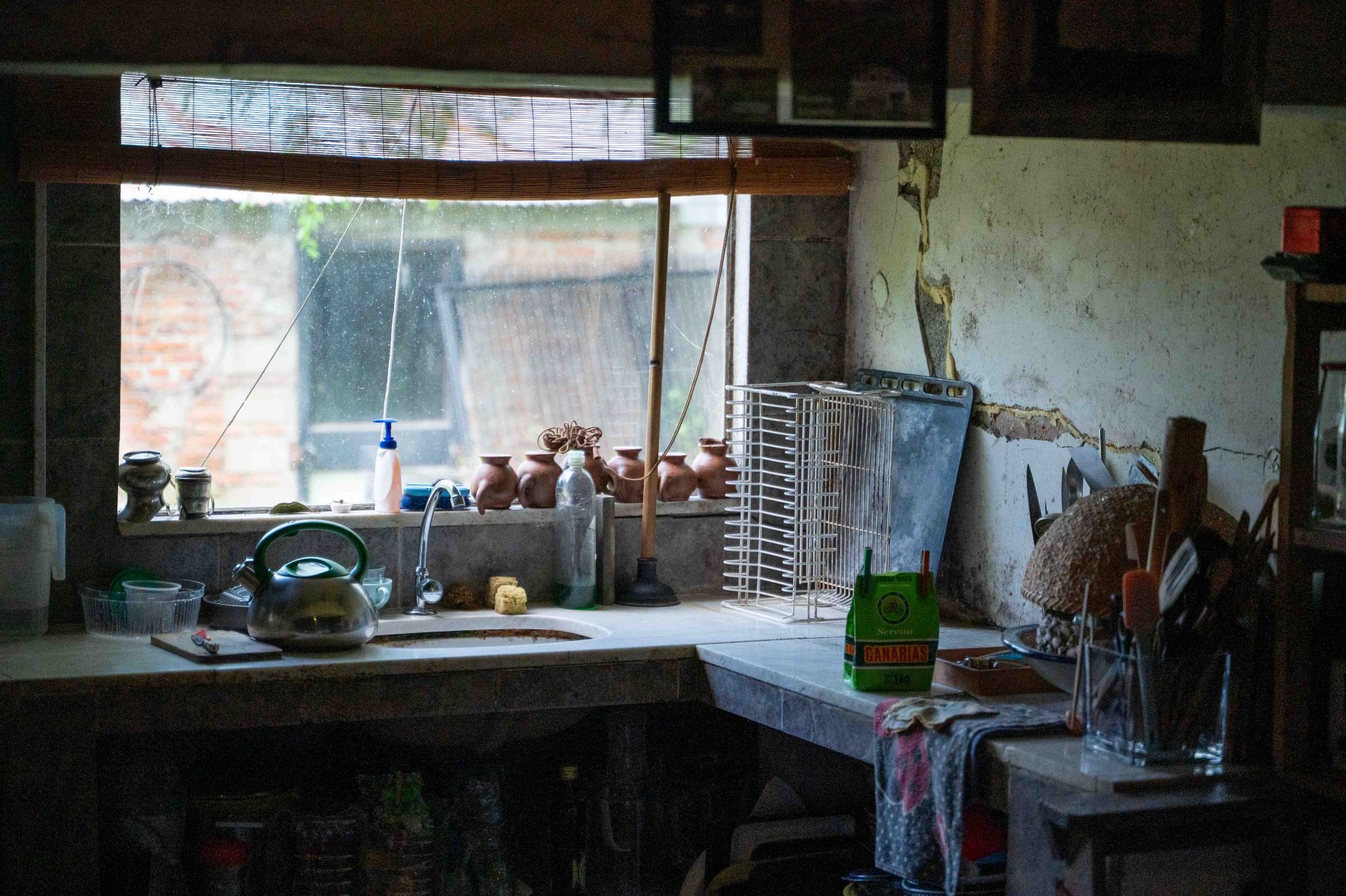
The house, famous for everything it was denied to pageantry, still retains the breath of its inhabitant. Newspaper and news headlines used to present Mujica as “the poorest president in the world,” although he denied that label. He said that he was a “sober” president, who needed little to live.
“I live as I lived long before I became president,” he explained in a 2014 interview. “I continue to live in the same neighborhood, in the same way. I am a Republican president. I live as the majority of my people live.” It wasn’t posturing or marketing: it was his way of inhabiting the world.
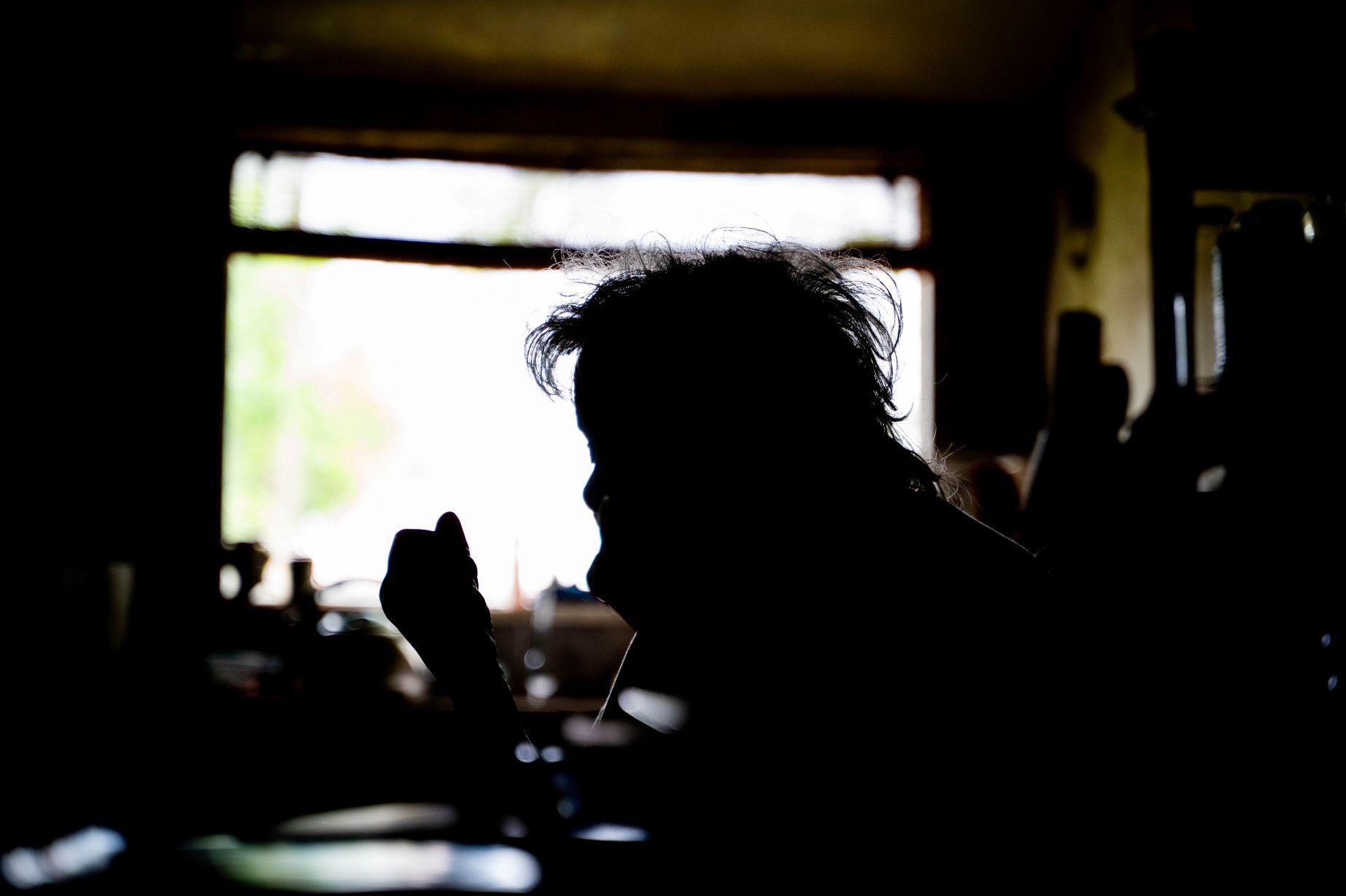
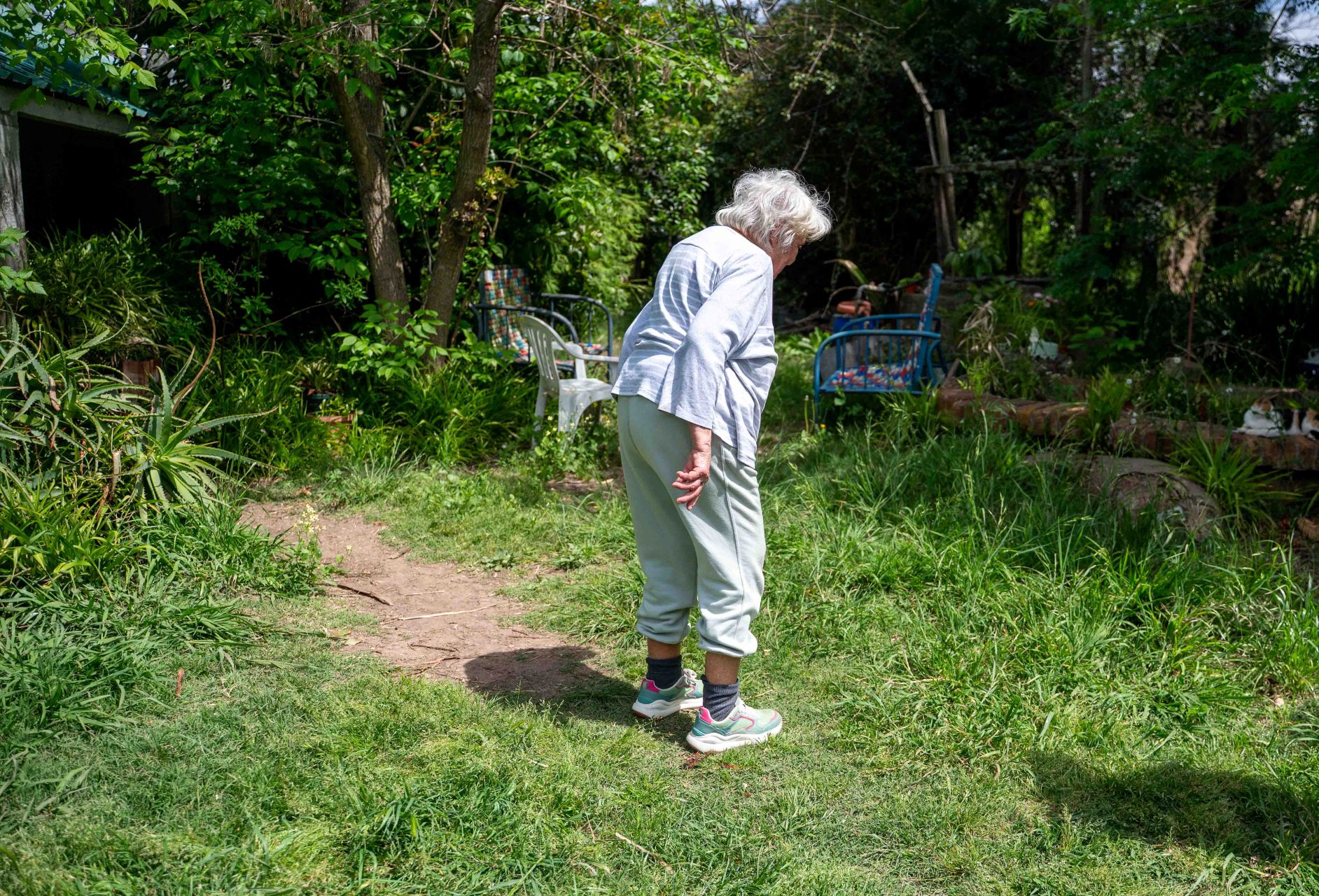
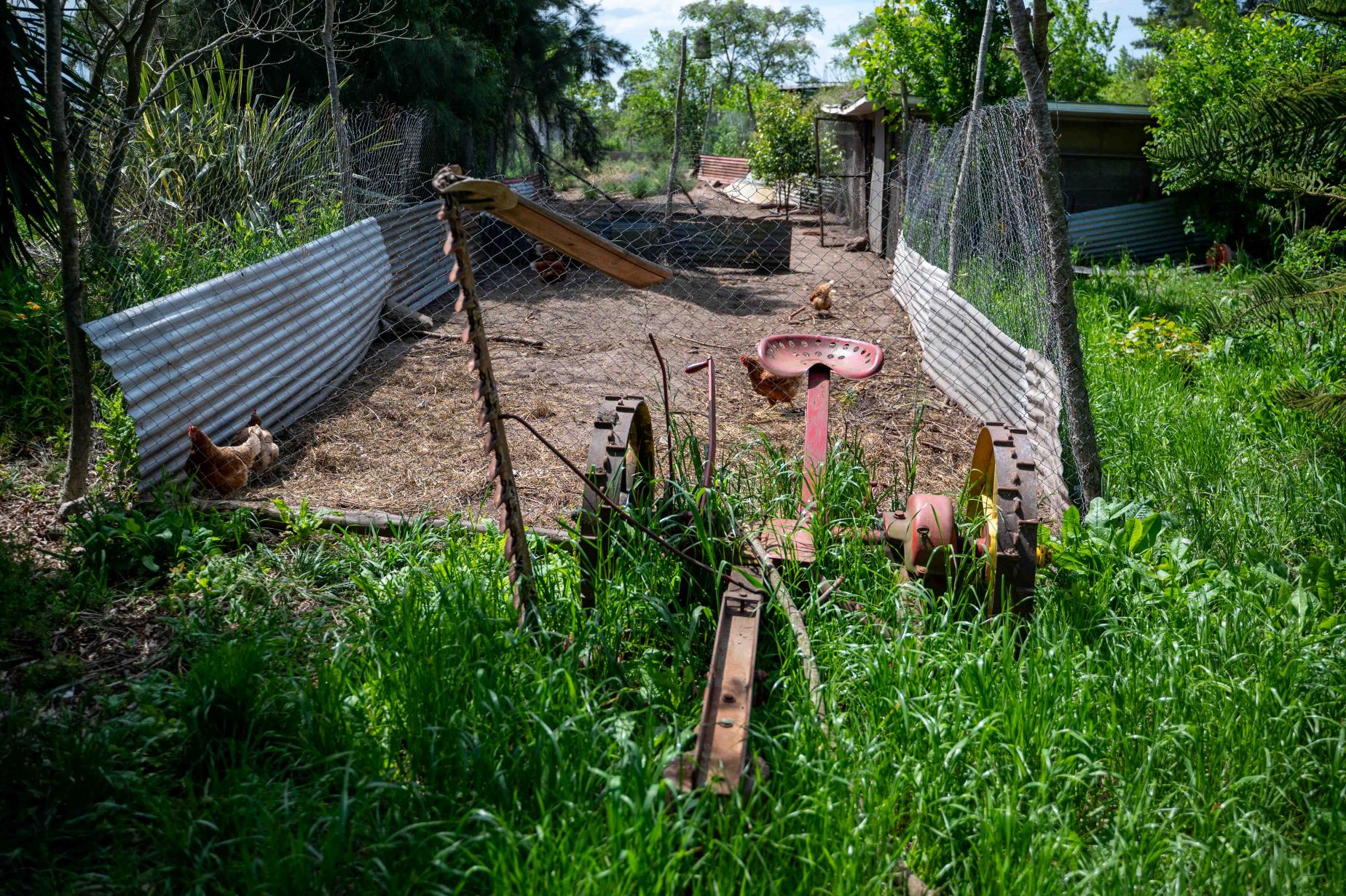
The former Uruguayan president, who spent thirteen years in prison between 1972 and 1985, bought his farm as soon as he regained his freedom. A fourteen-hectare farm on the outskirts of the Uruguayan capital, surrounded by nature, animals and affection.
There, together with Lucía, he tilled the land and cultivated a simple philosophy: sobriety as a vital choice. “Sobriety,” he said, “to have more time to live according to what motivates you.”
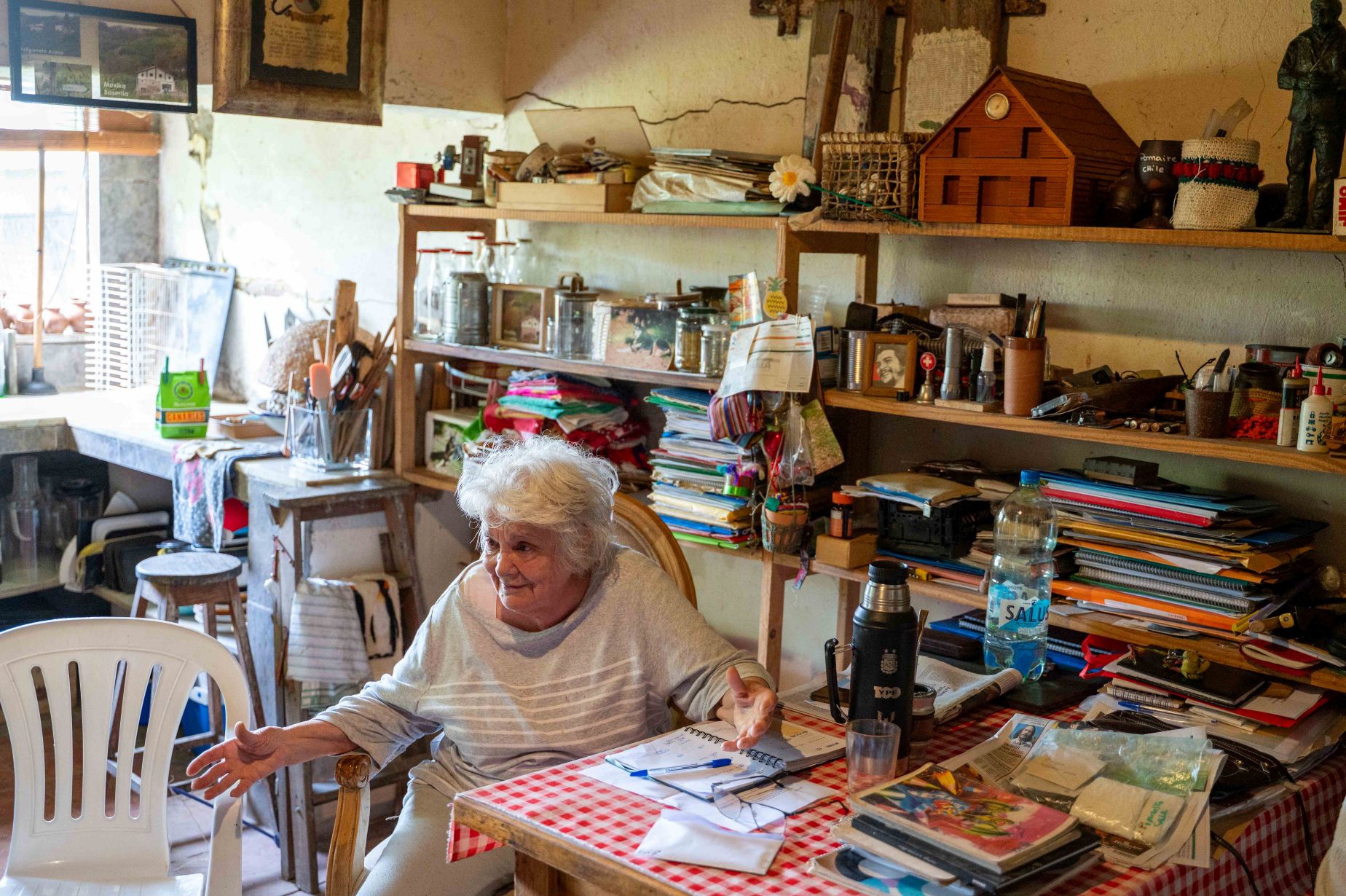
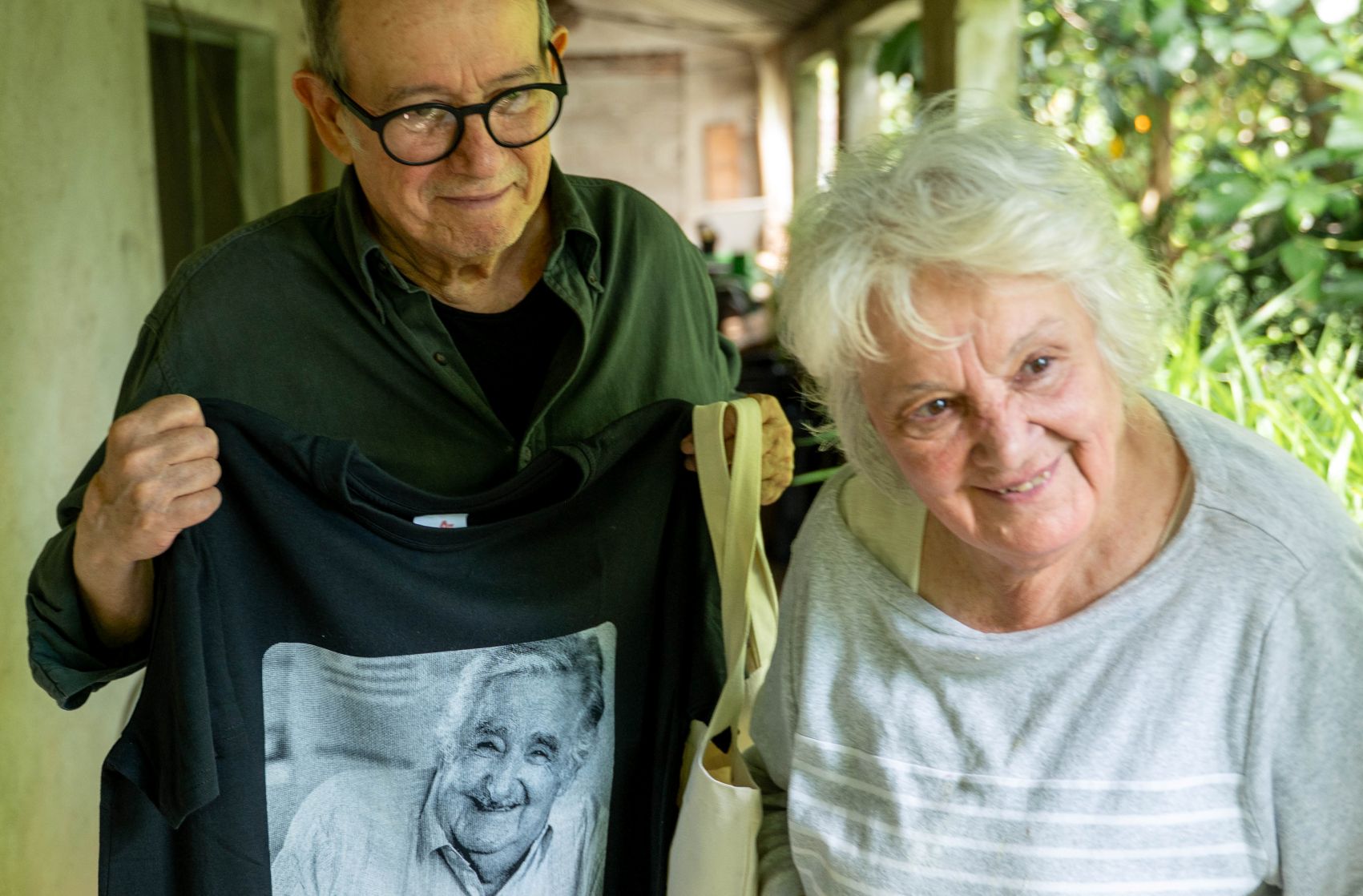
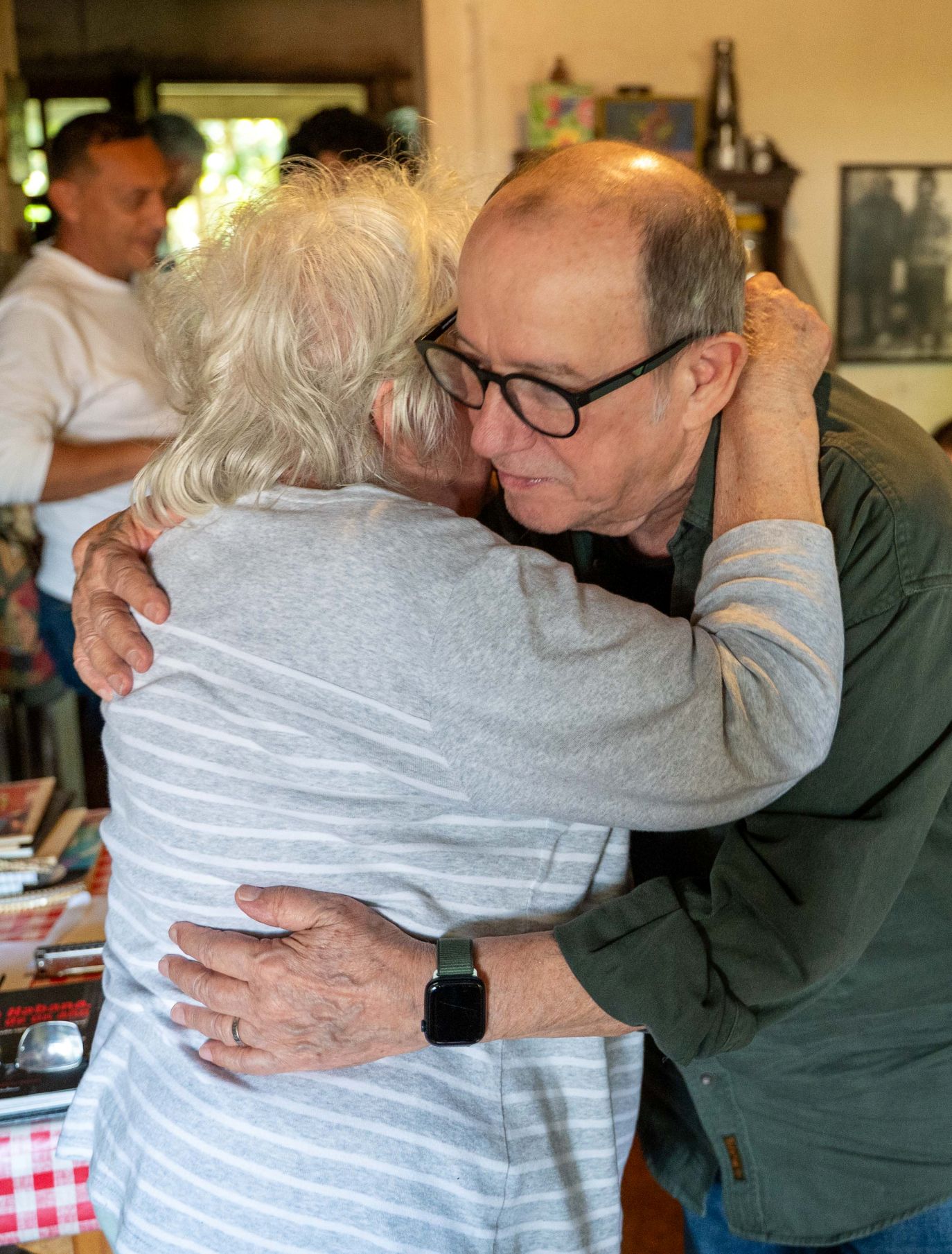
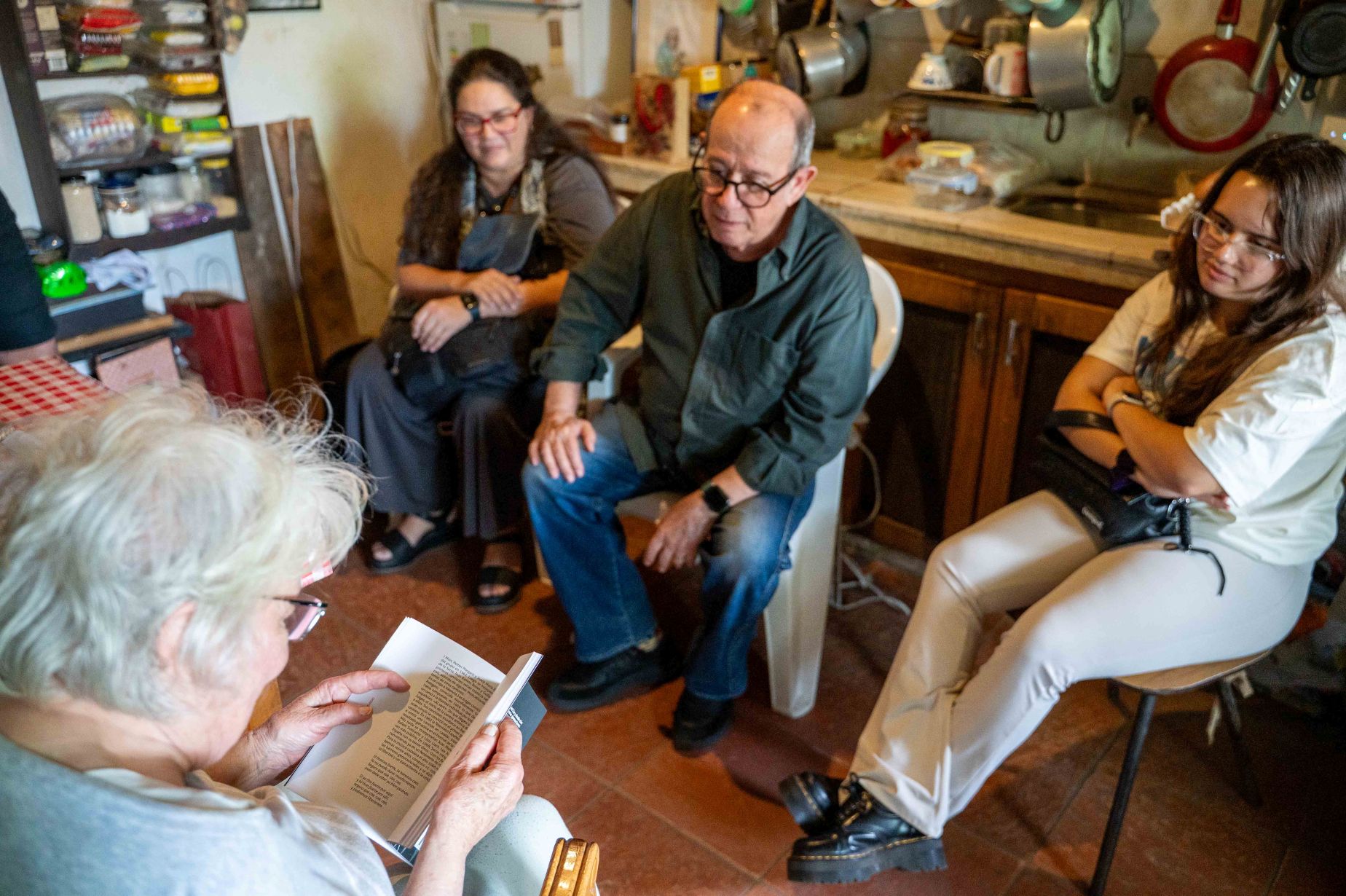
In that house, which was home and trench, Pepe received presidents and neighbors, farmers and curious people, always with the same mate, the same patience and the same tenderness. Silvio arrived there, almost without removing the dust from the road, accompanied by his wife, the flutist Niurka González, and his daughter, the pianist Malva Rodríguez.
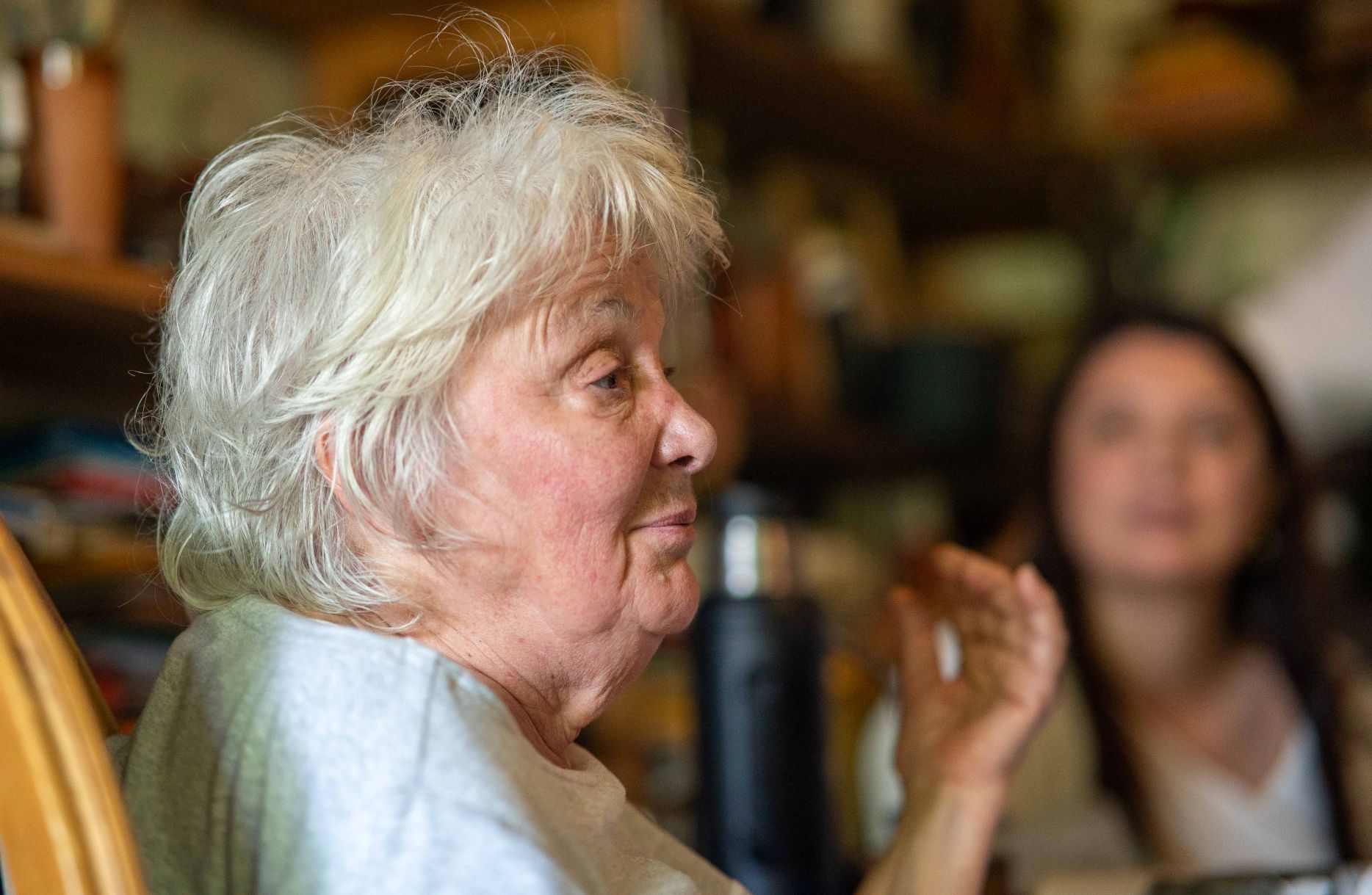
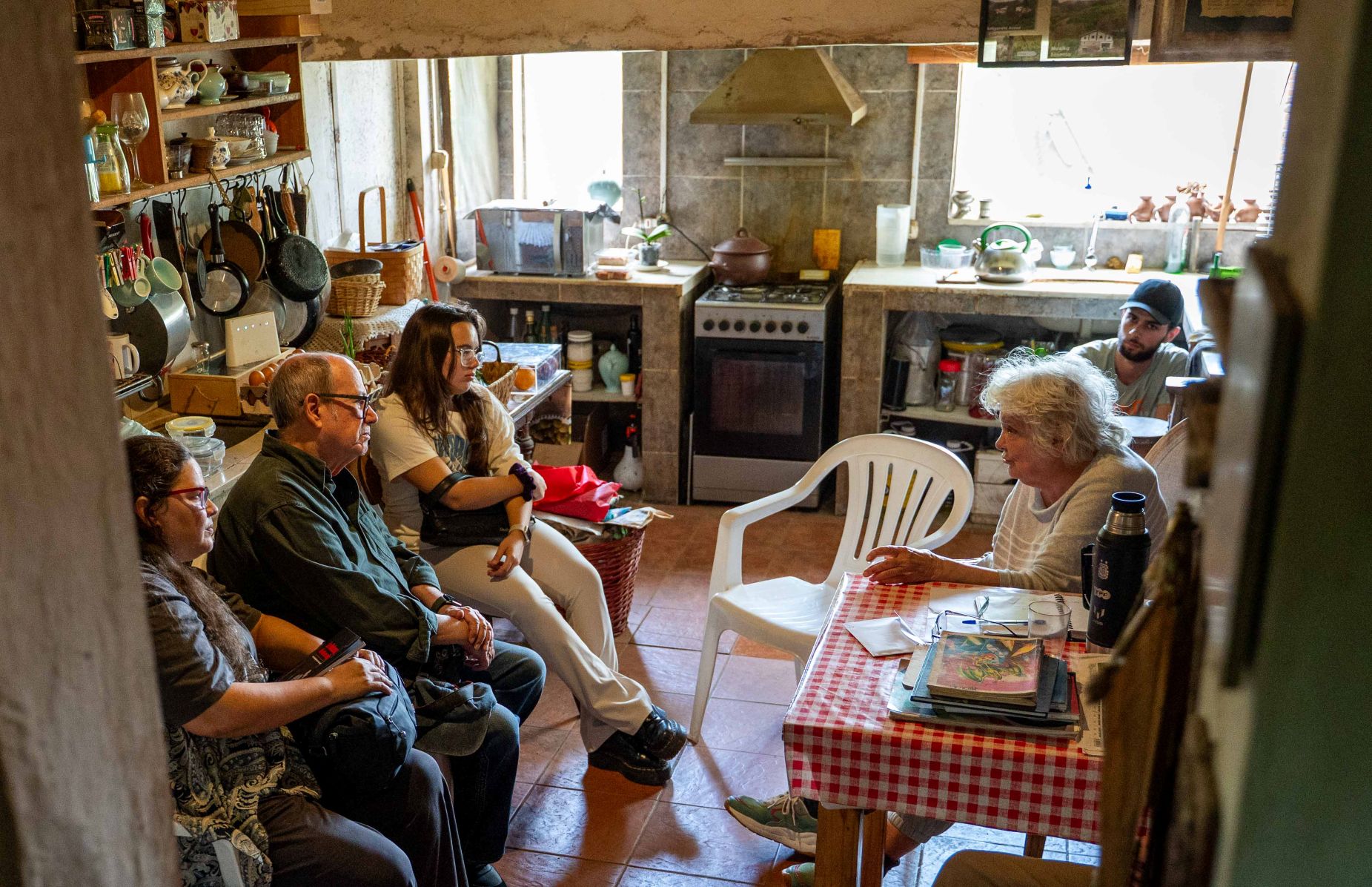
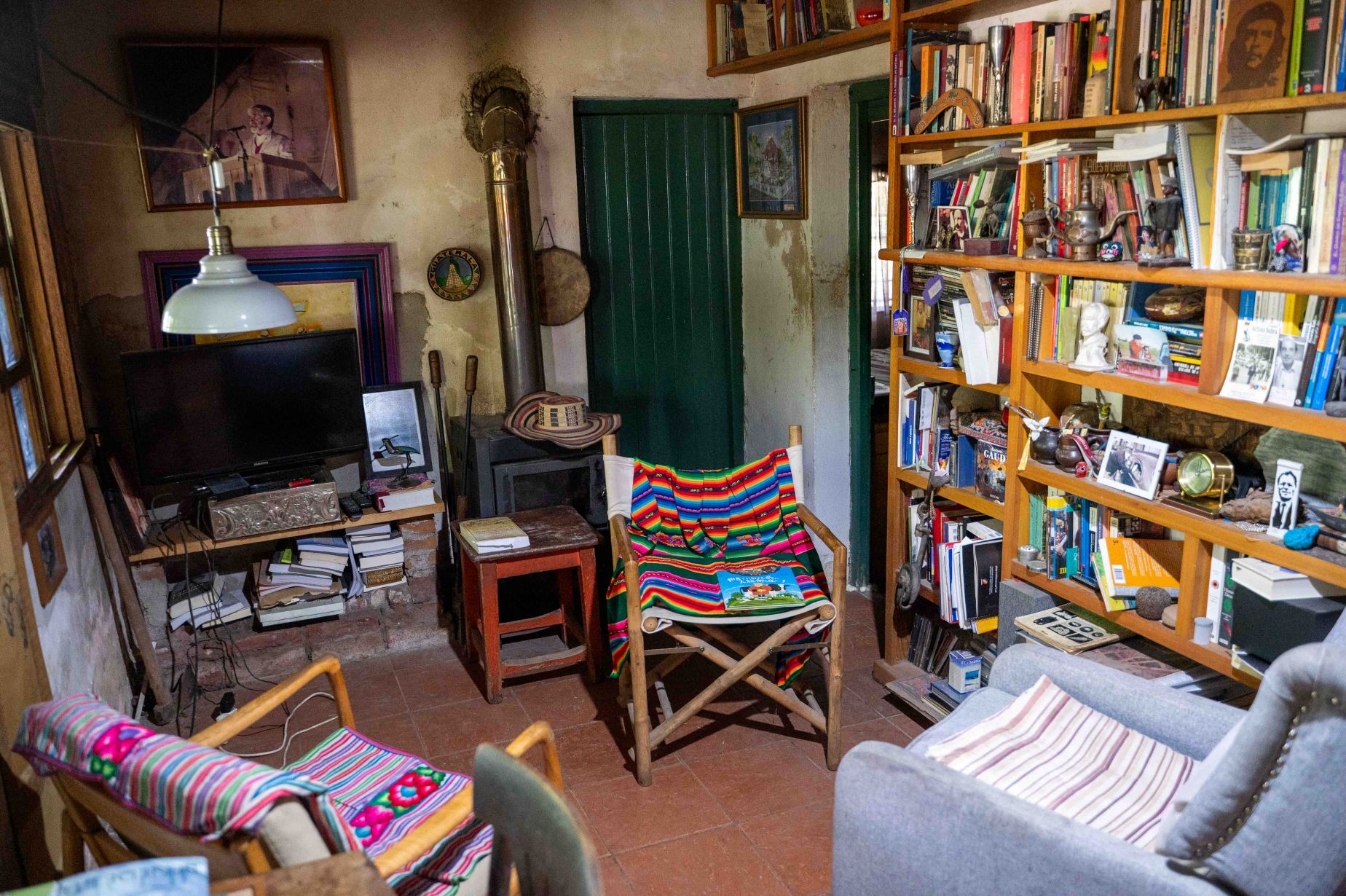
Lucía was waiting for them with the same spirit as always: sadness and laughter without concessions, the lucidity of someone who has loved and fought, the serenity of someone who knows that life goes on. He received them in his little kitchen-dining room—the diminutive, in this case, is not flirtatious, but an exact description.
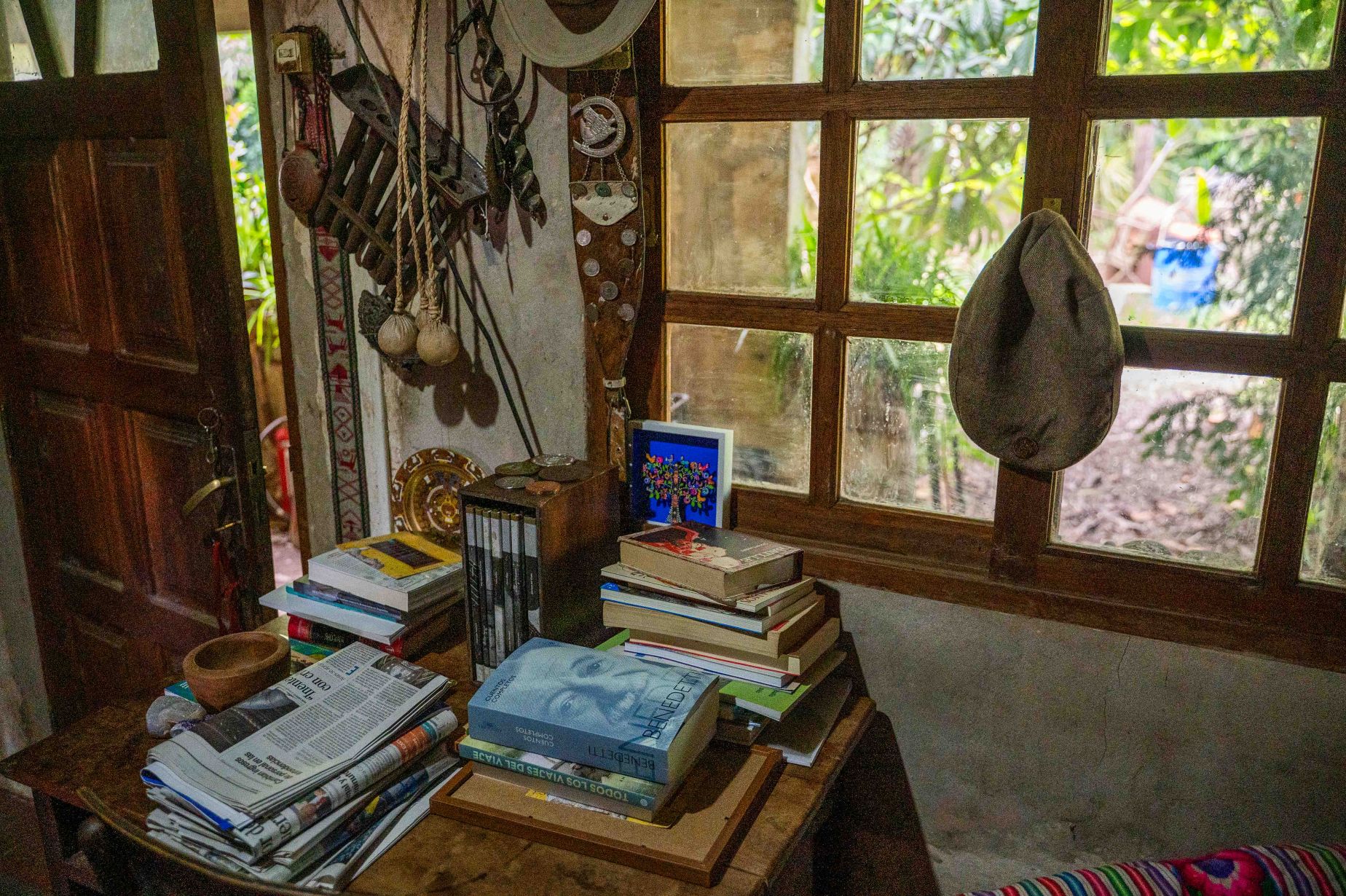
On the table, between books, bread, mate and notes, there was memory. Lots of memory. At that table, Lucía and Pepe spent long hours discussing politics, reading poems, listening to music or laughing. They also—as she herself says—had tough disagreements. Like life itself.
It was a close and warm conversation between Lucía and her Cuban guests, a long after-dinner conversation, with Pepe still wandering around the house in the form of an anecdote, an idea, a chorus.
Silvio, Niurka, Malva and the three or four other people who were present listened to it without blinking. They spoke of Pepe’s legacy, of the need for new generations to “take up the flag,” of the Latin American integration that he dreamed of beyond governments.
Lucía said that until the last day, Pepe fulfilled his rituals. “Until the last day he could, he would get on the tractor,” he recalled. “Even if it was only half an hour, he would go out and come back happy.” When he couldn’t anymore, he was riding an electric tricycle; later, in a wheelchair. And yet, he continued teaching.

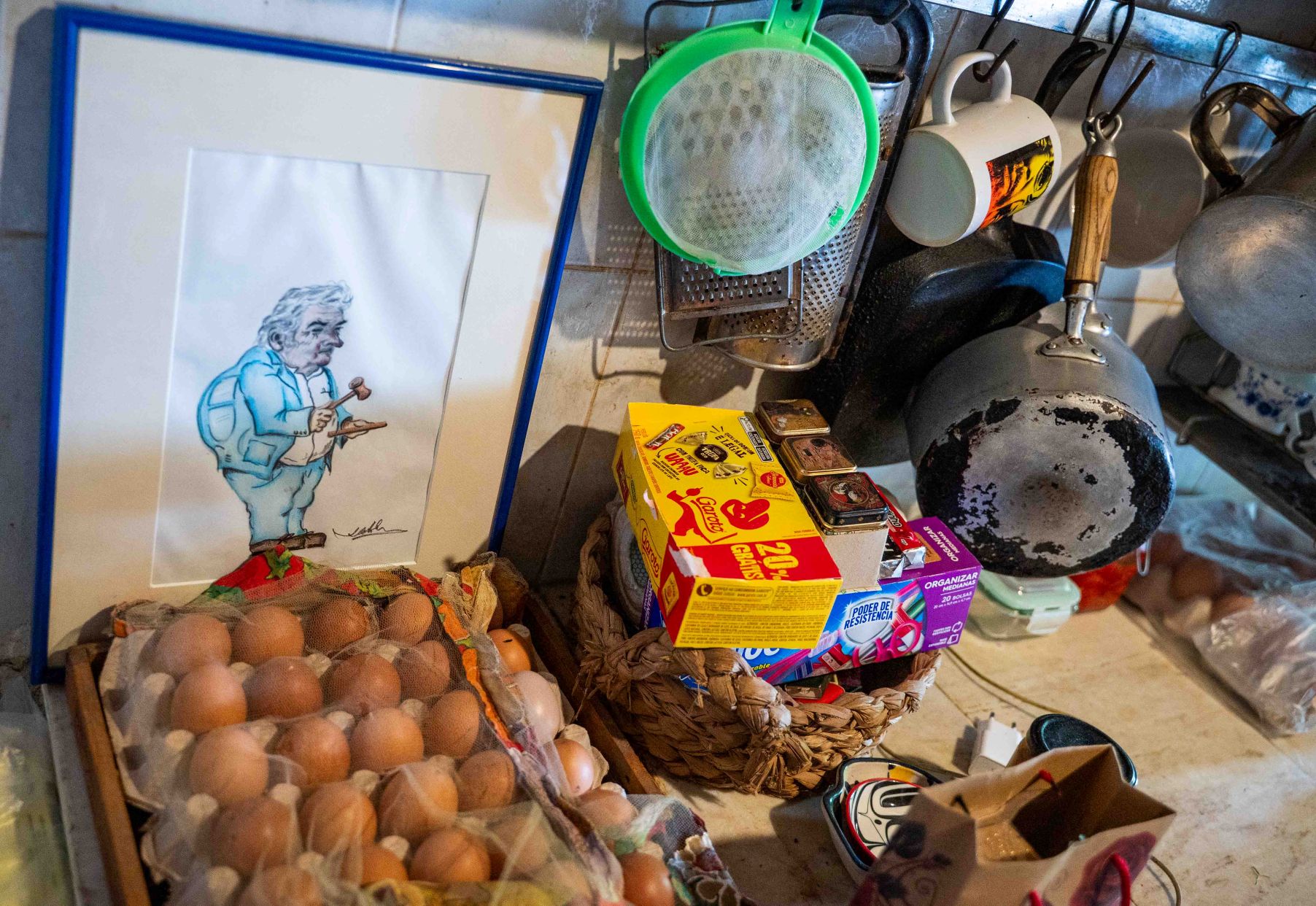
“He gave classes to those in custody—who were colleagues, first of all—so that they learned to hitch tools, drive the tractor, take care of the land. He said: ‘If I leave, they can’t be left without a job. We have to invent jobs for them’. Always sow, you understand? Sow.”
And in those difficult days a song from Silvio arrived for Pepe and Lucía.
—Oh, did you hear it? —Silvio asked, amazed.
Lucia nodded with a soft smile. “Yes, he heard it. And he saw the video you sent.”
It was the Argentine singer-songwriter León Gieco who suggested that artists from all over the world send messages to Pepe when it was learned that his health was deteriorating. The farm was then flooded with music and affection, with voices and messages coming from the most remote corners—even from Mongolia, Lucía says with a laugh. Among them, Silvio’s song: “Más porvenir”.
Before singing it in the video, the troubadour said:
“Dear Pepe, this is my greeting from Cuba to you and Lucía. I started these verses in 2009, when I heard you say some things, and I finished them a few days ago, motivated by the call of our dear León Gieco. An infinite hug.”
And then he sang:
The damage you did to me
He left where he came.
sad learning,
but not my destiny.
I never dreamed of revenge
nor did I prolong lamentations.
I sensed hope
behind the shadow of the wind.
And I grew up with everything
the good and the terrible,
scrutinizing ways
to expand as much as possible.
I knew how to pull out nails
and keep smiling.
I didn’t want to be a slave
of a pending account.
Life becomes short
to make it better;
I hope whoever is left
live for love.
Life went by my side
where I knew how to go.
Life was gone,
but it is more future.
From those conversations with Pepe and Lucía—and from many others that he heard them say—that song was born that Silvio performs today at every concert of his tour through Latin America.
At one point, the dialogue naturally drifted towards culture as a powerful tool of transformation. Lucía spoke of the murgas—“the sung resistance, year after year”—of Galeano, Benedetti, Zitarrosa and Daniel Viglietti.
She remembered when her grandmother took her as a child to the Solís Theater, back in the forties, to see a very young Alicia Alonso dance. Swan Lake with the Ballet Theater of New York: “He told us: ‘Look carefully, she is the best in the world.’ I never forgot it.”
He also evoked a nurse from Pinar del Río who took care of his other grandmother and spoke to them about Cuba and Martí during the long nights on duty. And she declared herself an admirer of Alejo Carpentier: “He gets the most out of Spanish like few others.”
The troubadour reciprocated with gifts: a book and his latest recordings. “If you don’t listen to that music, give it to whoever you want.” Lucía laughed: “Of course! I’ve always listened to you. First I listened to Carlos Puebla; then, to you, La Nueva Trova. You always got here.”
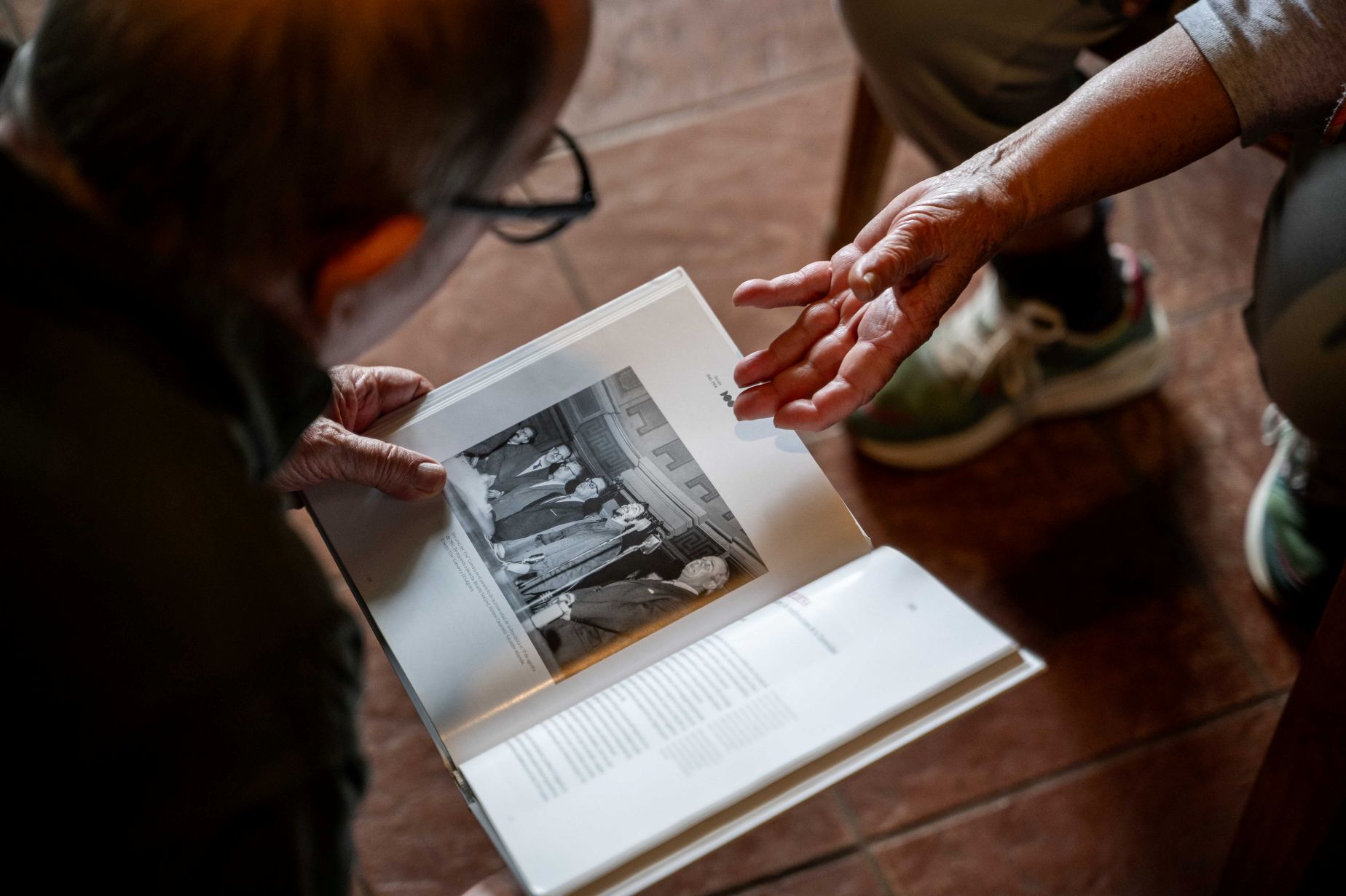
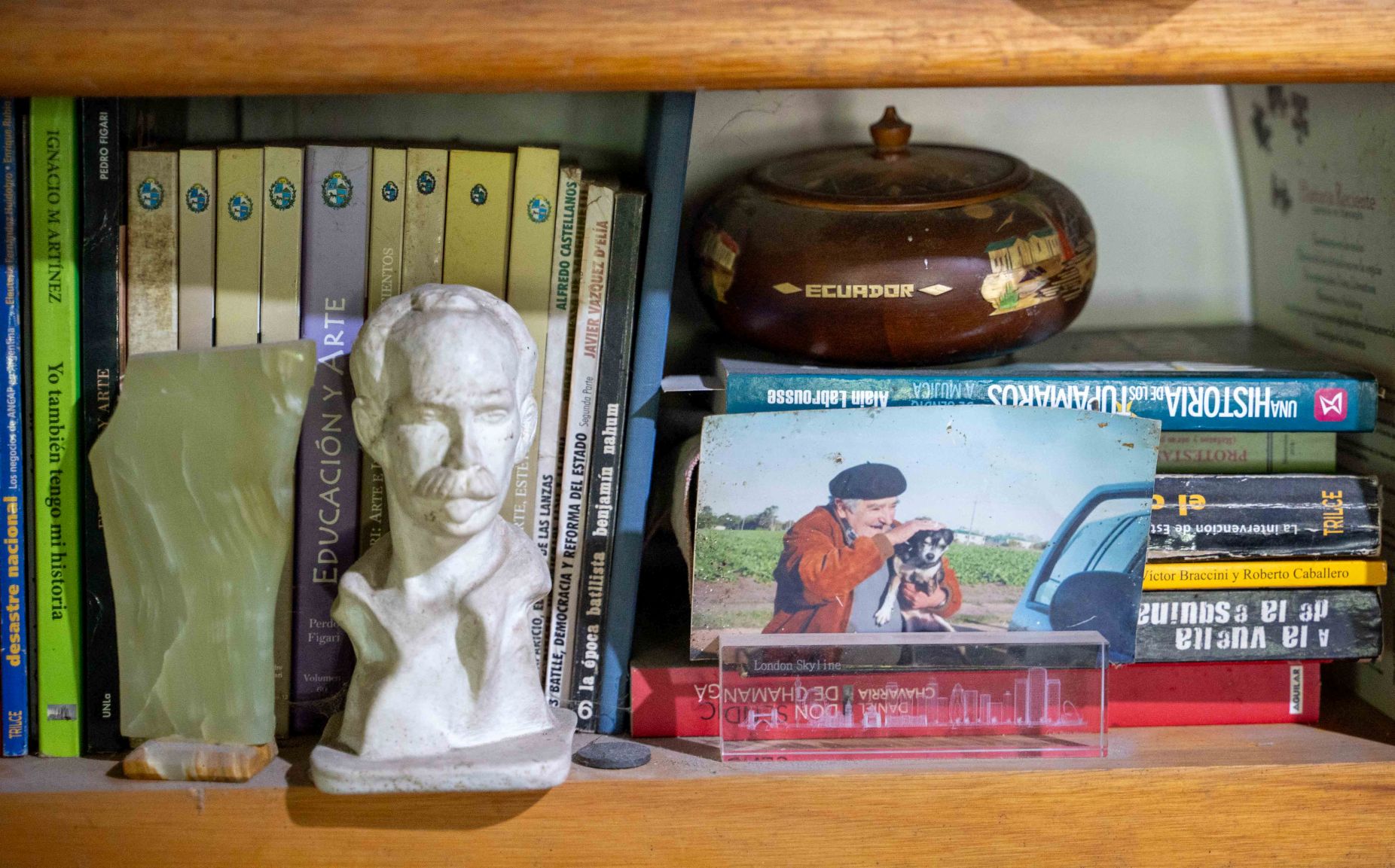
There was also shared geography. Lucía showed a little-known photo: Che in the University Auditorium, in 1961, presented by a then Chilean senator named Salvador Allende. Stories that intersect and today seem written with indelible ink.
Between theme and theme, the future appeared like a lighthouse. “We must link universities, create regional brigades in the event of fires or earthquakes, share organ banks, coordinate purchases of medicines. It cannot be that in the pandemic we have not produced vaccines together. That cannot be repeated.”
Pepe always said it: don’t stop being a soldier, don’t shrink, talk to people. “No one replaces hand-to-hand combat,” he repeated. That is why, together with Lucía, they devised the neighborhood mateadas: unfiltered meetings to listen and discuss. From there—they both believed—true leadership is born, which guarantees that projects are not cut off halfway.
It was an unparalleled privilege to have witnessed that meeting and listen, for more than an hour, to a woman like Lucía: lucid, affectionate, essential.
Almost a decade ago, I saw them together in Havana. It was in 2016, on Santa Rosa street, El Pilar neighborhood, during the 71st concert of the tour Through the neighborhoods. Pepe and Lucía arrived, and the neighborhood burst into applause. Pepe extended his hand to shake, and a bunch of hands—black, leathery, with worn nail polish, golden nails, hands of all colors—clinched to his as if they never wanted to let go.
The next day, in his blog, Silvio wrote that Mujica had said that this concert had been “to close with excellence” his visit to Cuba. And he remembered that Pepe then told him a lesson from his teacher José Bergamín: “Poetry is telling things with other words, but not with just any one.”
Perhaps that is the key to “Más porvenir”: telling Pepe—and Lucía—with the words that belong to them, those of the future and the light in the midst of so much darkness.
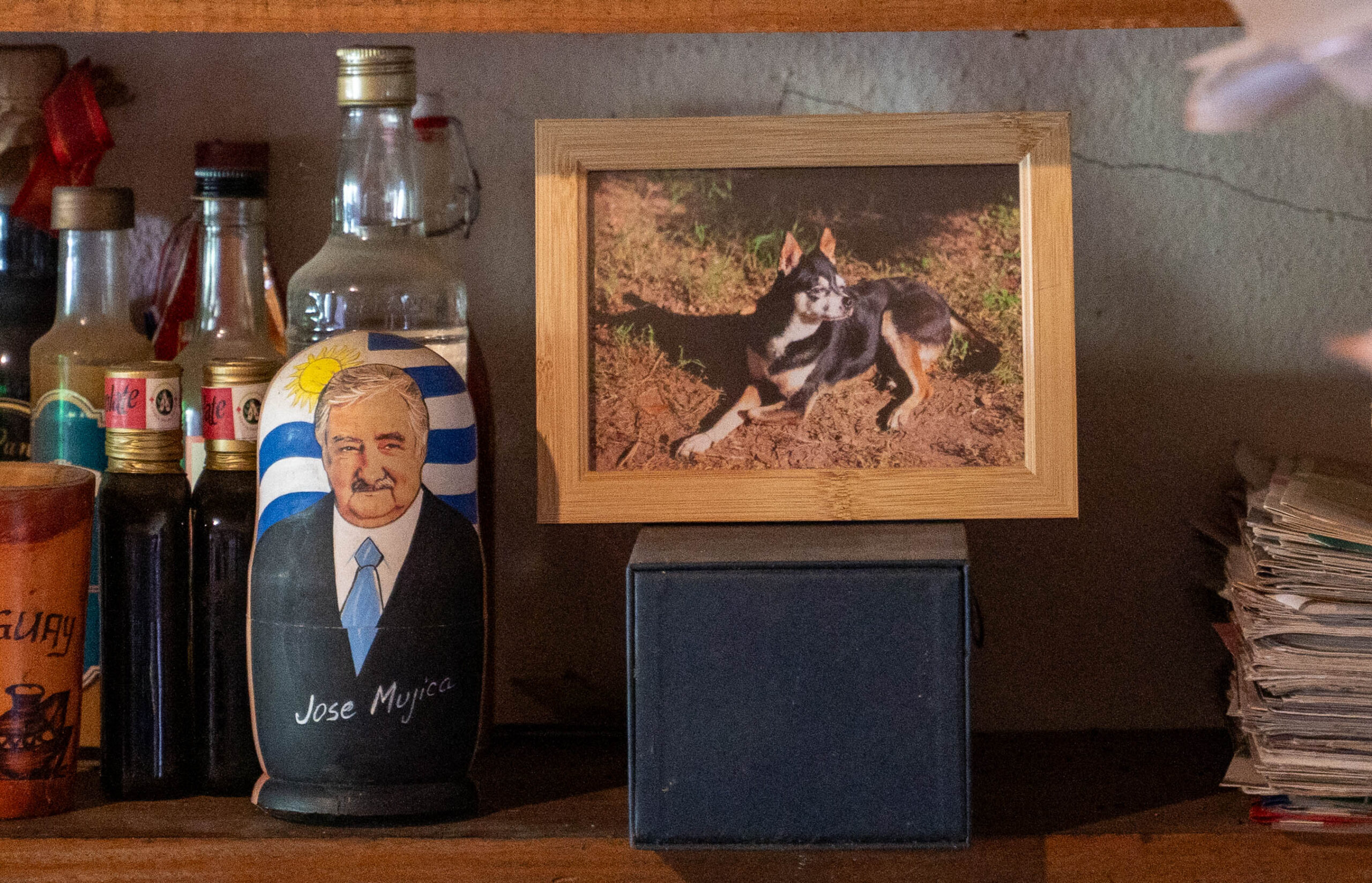
They said goodbye outside the house, under the clear sky of the outskirts. Lucía accompanied the visitors almost to the gate. Before, he showed them the sequoia: the tree whose roots hold Pepe’s ashes, along with those of Manuela, his mixed-race dog who was his shadow for twenty-two years.
“Pepe was a sower,” Silvio had said moments before.
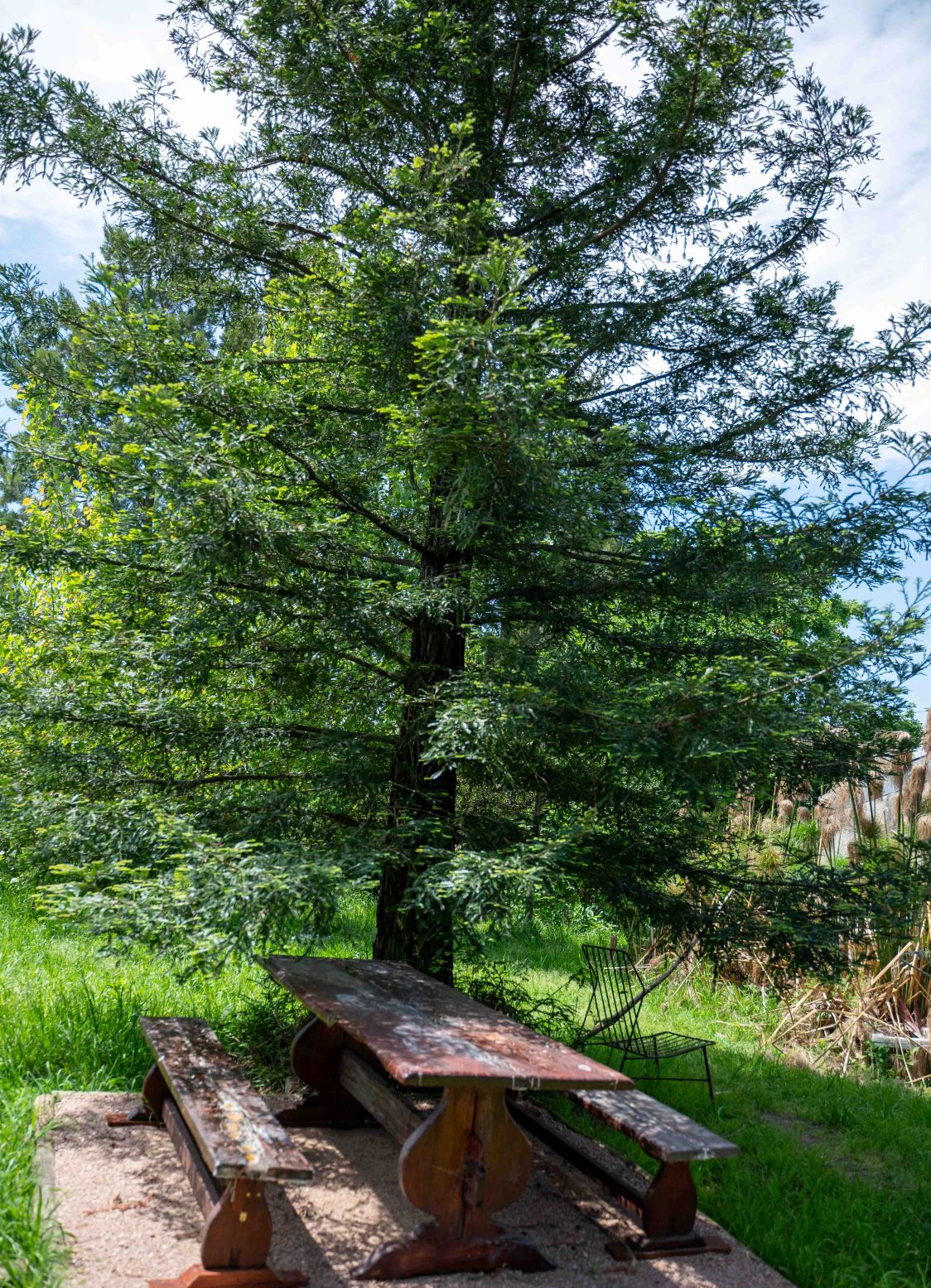
Because Mujica, who from a young age lived so close to death, always thought about leaving everything ready. In 2020 he said it with his usual serenity: “My future destiny is under that redwood tree, where Manuela is buried. When I die, they are going to burn me and bury me there.” And so it was.
In that farm where so much was planted—ideas, affections, vegetables, future—there remains the certainty that, even in the absence, someone continues to push from the middle of the pack. Because life, as the song says, was past, yes; but, definitely, there is always more to come.