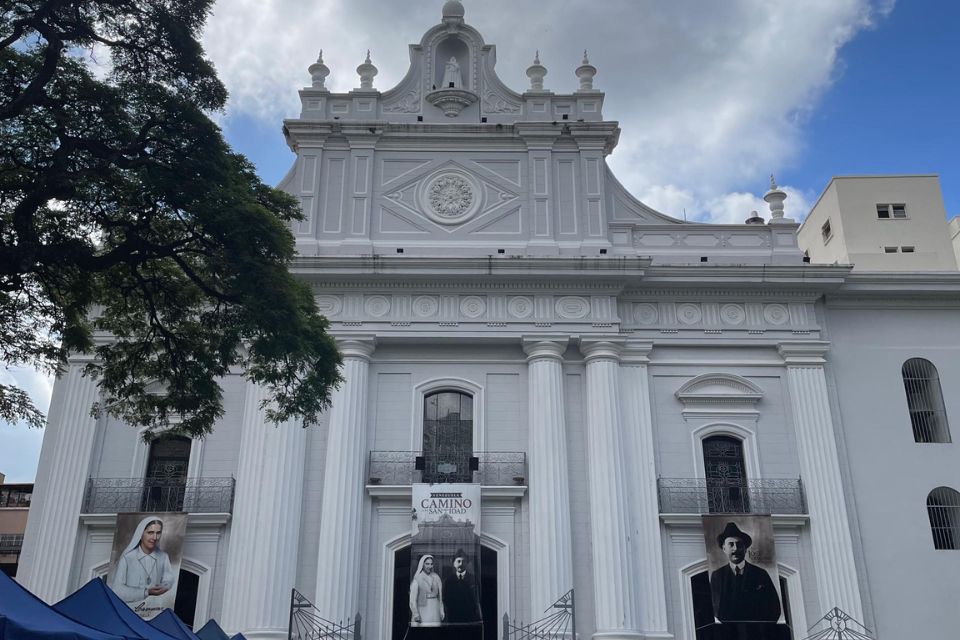
Walking through the historic center of Recife is like seeing mansions built in the 17th century and discovering that they house air-conditioned rooms with modern furniture, cutting-edge technology and teams working with logistics algorithms, information security, games, and artificial intelligence applications.
The region is home to one of the country’s main technological innovation hubs, Porto Digital. There are 475 companies that generate more than 21 thousand jobs. From small startups to multinational giants.
“Five of the ten largest information technology businesses in the world, from the point of view of the volume of human capital employed, are currently at Porto Digital”, says Silvio Meira, professor emeritus at UFPE, who conceived the Center for Studies and Advanced Systems of Recife (CESAR), and was one of the creators of Porto Digital, which is celebrating its 25th anniversary.
Giants such as the multinationals Accenture and Deloitte and the newcomers NTT Data, Japanese, and the French Capgemini have addresses in a quadrangle the size of 42 football fields, in the center of the capital of Pernambuco.
Electrical engineer Eduardo Peixoto remembers the fate of those who decided to delve into the technological field at the end of the 20th century in Pernambuco:
“When I graduated there was nothing. So the talent drain was huge. I fulfilled the checklist myself. First I went to São Paulo, then Geneva”, he says.
He returned to Recife in 2002, when the Porto Digital project was starting to get off the ground.
“The objective was to create this economy to retain and bring back the people who had fled here, leaving for São Paulo, China, New York, wherever they wanted. If there was a chance of it working, I had to help.” Since 2022, Peixoto has been at the helm of CESAR.
“Today there are already more than 100 innovation and education projects that we carry out here, explains Pierre Lucena, president of Porto Digital, as he walks through the streets of the center of Recife, checking if everything is ok for the Porto Digital technology festival, Rec’N’Play, which ends this Saturday (18).
“We have 4,500 students here at three universities. These are faster courses, with a residence in companies, where students can now get closer to market demands”, explains Lucena.
In 2024, he says that the city of Recife will train 1,400 people in the area. “To give you an idea of what this means in technology, São Paulo graduates 2 thousand”, he compares.
“Each of these large companies that arrive is also a great trainer of human capital, a great school. When a company arrives, it brings methods, brings processes, brings metrics, brings techniques, brings platforms”, explains Silvio Meira. “You have a virtuous cycle of learning that leads to a collective construction of knowledge that benefits not only people but also companies”, he concludes.

Pierre Lucena, president of Porto Digital and Silvio Meira, professor emeritus at UFPE, in a lecture at Rec’N’Play 2025. – Beto Oliveira/Disclosure
Counterpart
But for Peixoto, it is necessary to make some adjustments to the stimulus policy for companies in the sector. To settle in the 30-hectare quadrangle in the Recife Antigo region, companies receive a tax incentive. The city council waives 60% of the ISS, the Service Tax. Instead of a 5% rate, technology companies pay 2%.
“They come and take the talents that are already here. Why don’t they have a small counterpart? Take a little piece, 0.5%, of this business and reinvest it in education?” question, Peixoto. “Even to be able to maintain the pool of people who are entering the job market that will benefit you [as empresas] also. Almost every public incentive for innovation has a counterpart. So, I think that’s what’s missing in this public policy”, he concludes.
In 2024 alone, the revenue of companies on board, as they say in Porto Digital jargon, was R$6.2 billion. Even with the tax exemption, Porto Digital represents the third largest source of revenue in the capital of Pernambuco. Recife city hall did not inform the value of the tax exemption for companies located in Porto Digital.
Rec’N’Play
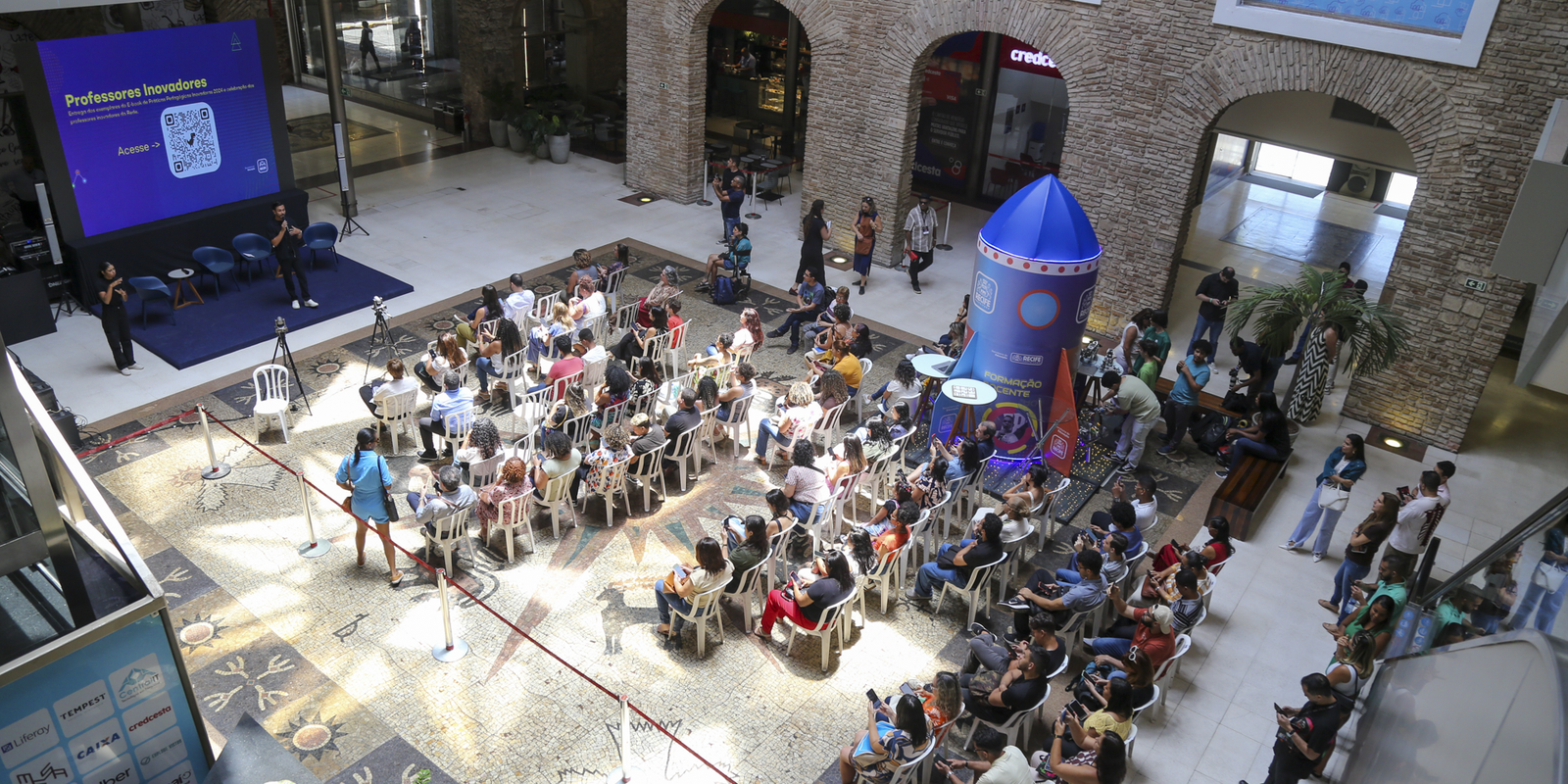
Rec’n’Play started on Wednesday (15) and takes place in the Porto Digital region, in Recife Antigo, with activities spread across 83 spaces in 30 buildings, in addition to seven stages and another 37 street stands, named at the event as activations. In total there are more than 700 activities, all free.
The event’s audience is expected to exceed 90,000 people. The festival is organized by Ampla Comunicação, Porto Digital and Sebrae Pernambuco.
* The reporter traveled at the invitation of Porto Digital