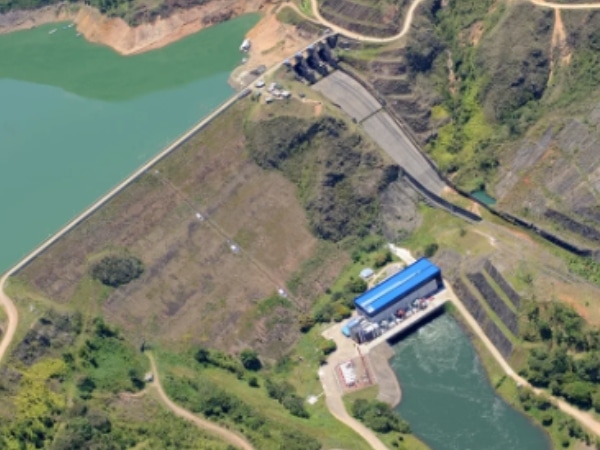
The Salvajina reservoir, located in the north of the department of Cauca, near the municipalities of Suárez and Morales, is not only a natural wonder, but also the engine of a hydroelectric plant that converts the power of water into clean and sustainable energy, generating employment and development for neighboring communities.
News Colombia
Visit the Salvajina reservoir is to discover more than an imposing landscape in the Cauca River. There, the water that is stored not only feeds the ecosystem, but also travels to the powerhousewhere the transformation of hydraulic energy into electrical energy begins.
This process is possible thanks to a complex system of turbines, generators and valves that work synchronously, operated by expert and highly trained personnel.
Also read:
The Celsia control center: innovation and renewable energy from Valle del Cauca
Being away from family and facing complex law enforcement situations is not easy. However, for those who work in the country’s hydroelectric plants, this effort becomes a source of pride and a sense of belonging: contributing to an essential task for Colombia, energy generation.
From the power of water to the energy that reaches homes
The tour begins at the reservoir, where the water is piped to the Power House, considered the heart of the hydroelectric plant. There the “magic” happens: the pressure and flow of the water moves giant turbines, which in turn transfer that hydraulic potential energy to the generators.
The operation of the hydraulic plant Savage It is not limited to energy production. This system generates around 90 permanent jobsin addition to dozens of temporary positions in maintenance processes.


Within this hydraulic plant is the “heart” of generation: enormous generators up to 8 meters in diameter that, through the energy exchange between kinetic and electromagnetic energy, convert the energy of the dammed water into electricity, reaching homes, companies and industries in the country.
Once its function has been fulfilled, the water returns to the Cauca River in the same or even better conditions (more oxygenated), without alterations in its natural components.
The work teams include engineers, operators, technicians, socio-environmental and SST specialists, security personnel and administrative staff, guaranteeing not only energy efficiency but also a commitment to sustainability.


More by Salvajina
The Salvajina dam, located in the north of the department of Cauca, between the municipalities of Suárez and Morales, came into operation in 1985 and today is one of the main hydroelectric plants in the country. The reservoir has an extension of 31 kilometers and can store up to 960 million cubic meters of water, of which 753 million are useful for its operation. Thanks to this capacity, the plant generates 308 megawatts (MW) of energy, contributing significantly to the national electrical system.
This project is led by Celsiaa company whose mission is to ensure the operation, care and sustainable use of the Salvajina hydraulic power plant.
In Colombia, more than 70% of energy comes from water sourceswhich places the country as one of the leaders in the production of clean and sustainable energy in the world.
Electrical energy
Plants like Salvajina play a key role in this model, by injecting electrical energy into the national interconnected system through lines like Juanchito and Pance, which distribute electricity safely and reliably.
But beyond the numbers, Salvajina is a symbol of progress. Its existence not only illuminates millions of Colombian homes, it also supports the social and economic development of neighboring communities through environmental programs, job opportunities and social impact projects.
The Salvajina reservoir is, ultimately, a testimony of how nature and technology come together to offer renewable energy and a more sustainable future for Colombia.
TuBarco visited the Salvajina reservoirin Cauca, where the power of water is converted into clean energy thanks to Celsia. A journey that reveals, step by step, how the impact of water and its conservation allow the Cauca River to power Colombia’s electrical grid, guaranteeing sustainability and development for millions of people.