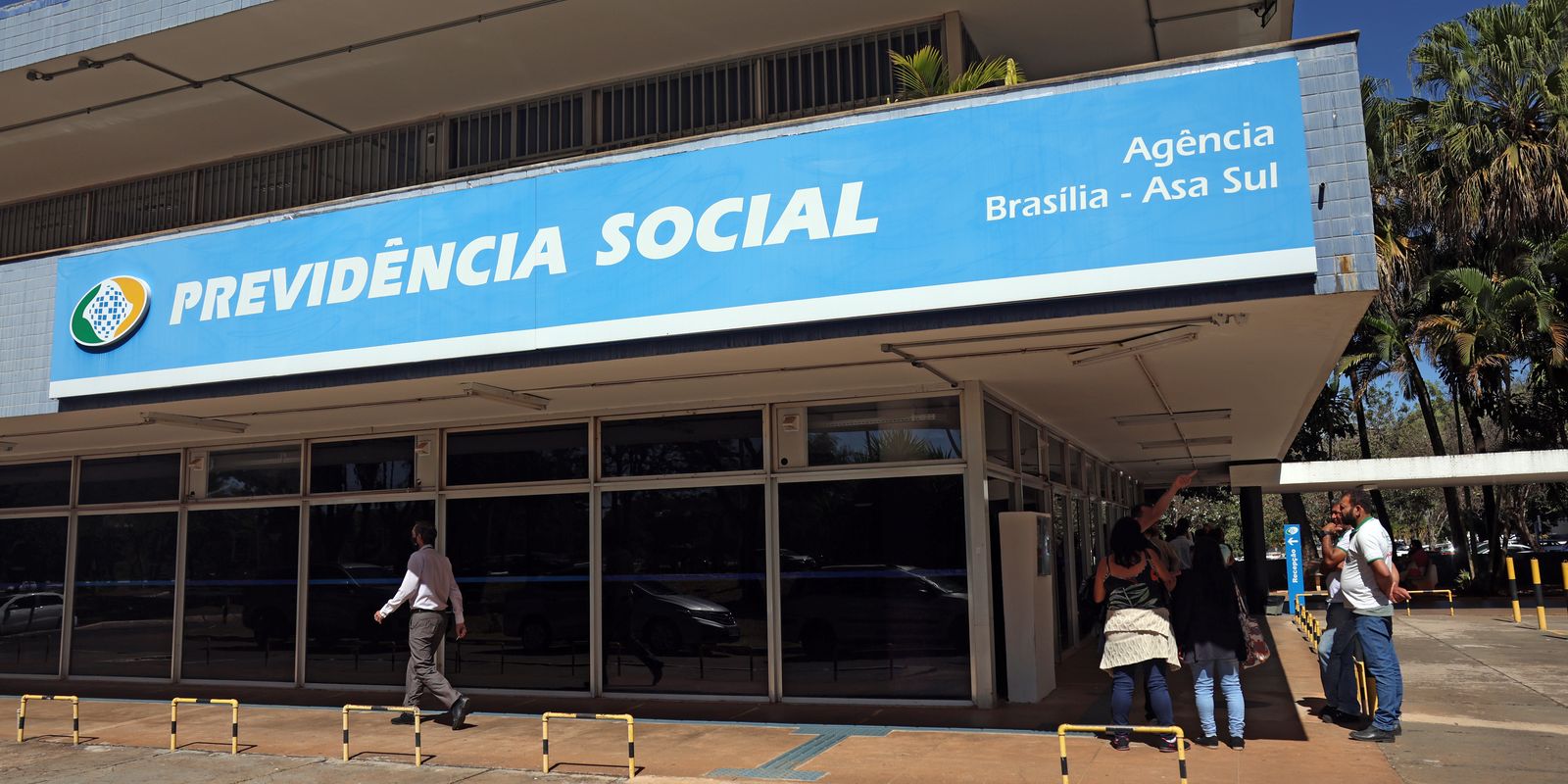
The National Social Security Institute (INSS) suspended the program that aims to reduce the waiting list for benefits such as pensions and aid. According to a letter, signed by the president of the organization, Gilberto Waller Junior, the lack of resources in the Budget is the main reason for the interruption of the program.
In the document, Waller requests the supplementation (relocation) of R$89.1 million from the Ministry of Social Security’s budget to continue the Benefits Management Program (PGB), which pays productivity bonuses to civil servants and experts to reduce the queue of requests for social security benefits.
The measure takes effect immediately. The interruption paralyzes the government’s main effort to reduce the queue of more than 2.63 million requests, according to the most recent data from August. Pressured by a 235-day strike of INSS medical experts, the waiting list has increased since last year.
According to the letter, the suspension is necessary to avoid “administrative impacts” if the program were maintained without guaranteed funding.
The letter determines that:
- New analyzes are interrupted;
- Tasks in progress return to regular queues;
- After-hours Social Service appointments are suspended or rescheduled.
The INSS reported that it requested a budget supplement of R$89.1 million to resume the program “as soon as possible”.
How the program worked
Created by provisional measure in April and transformed into law in September, the PGB pays R$68 per completed process to civil servants and R$75 for medical expertise. The bonus is paid to anyone who exceeds daily work targets, but the total amount, including salary and bonuses, cannot exceed the civil service ceiling (R$46,300).
The PGB replaced the Plan to Combat the Social Security Queue, which ended in 2024. Originally, the program has a budget of R$200 million for this year and runs until December 31, 2026.
According to the INSS itself, the initiative was essential to reduce the average time for analyzing requests, but the available funds were completely consumed before the end of the year.
Queue at the top
With the suspension, the government faces the risk of a further increase in the benefits queue. According to internal data, the backlog of orders increased from 1.5 million in 2023 to 2.6 million in August 2025, reaching 2.7 million in March.
The Ministry of Social Security had promised to clear the queue by the end of the mandate, but the problem worsened amid the scarcity of resources and the slowness in budget recovery.
Tax Challenges
The lack of funds reflects the government’s fiscal restriction scenario, which seeks to close its accounts and achieve a primary surplus of R$34.3 billion in 2026. The blocking of resources for the INSS occurs after the loss of validity of a provisional measure that would increase taxes on banks and online betting.
Without the payment of bonuses, experts warn that the pace of analyzing processes is likely to fall again, particularly affecting retirees, pensioners and beneficiaries of the Continuous Payment Benefit (BPC), who depend on money as their main source of income.
Next steps
In the letter, the INSS stated that it is working with the Ministries of Social Security and Planning to rebuild the budget and reestablish the program this year. “The suspension is temporary and necessary given the current budget unavailability”, says an excerpt from the internal statement.
Meanwhile, servers must only work in their regular routine, without additional payment for productivity.