That organization also warned that “self-censorship” could be generated in the media and affect the journalist’s professional secrecy.
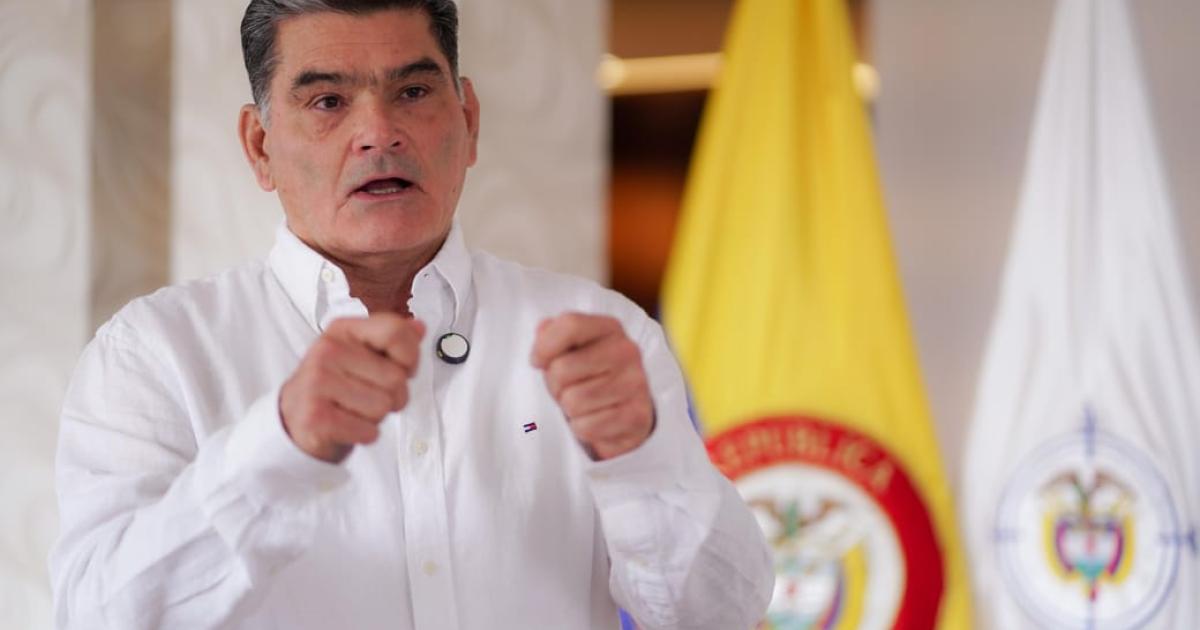
The Attorney General of the Nation, Gregorio Eljachgave a warning to the Communications Regulatory Commission (CRC)after the controversy generated by the request that this entity made to several television and radio media to provide information about their journalistic and editorial content.
The official stated, through a four-page letter addressed to the director of the CRC, Claudia Ximena Bustamantethat although the requirement formulated by the Commission is presented as technical, its wording maintains a formal and obligatory tone, which could generate a inhibitory or self-censorship effect in the media.
In the document, the Attorney’s Office warned that “elements that could compromise press freedom and the editorial autonomy of the media persist.”
Likewise, the agency observed that the request could compromise the confidentiality of sources, the confidentiality of internal deliberations and the professional secrecy of the journalist.
Read here: FLIP and CPB rejected the CRC’s request to the media regarding editorial processes
The entity also warned that “the statement subsequently issued by the CRC does not revoke the initial requirement nor expressly clarifies the voluntary or binding nature of the requested information, which maintains a potential risk of affecting the freedom of the press, the professional reserve of the journalist and the right of the media to the confidentiality of their internal processes.”
In fact, the Attorney General’s Office indicated that the CRC It does not have express powers to request internal information from the media about their editorial decisions.which could constitute a overstepping of functions.
The control body also asked the CRC to send full copy of the document issued on October 8, 2025including its annexes and recipients, as well as Minutes No. 154 of October 10, 2025 and the technical or legal support that supported their expedition.
He also requested that the Commission report on the legal and regulatory framework that supports the competition of the Audiovisual Content Session to request information about editorial or informative processes, and that expressly clarify whether the delivery of information by the media is voluntary or mandatoryalso indicating if there are legal consequences for not sending it.
Finally, the Attorney General’s Office requested that the CRC present an information management protocol that guarantees the reservation and confidentiality of the documents received, as well as a description of purpose, scope and intended use of the data obtained within the framework of the announced reporting exercise.
Also read: CRC asks the media for information about editorial advice and then retracts it after controversy
The attorney general, Gregorio Eljachhad already spoken out on the issue last Saturday, when he stated in a public statement that, as head of the Public Ministry, will not allow the official spheres of the State to establish practices that violate freedom of the press and freedom of business.
“The Attorney General will not allow this sacred principle to be attacked, which is based on freedom, which we must care for and protect, because it is our responsibility,” Eljach emphasized.
Source: Integrated Information System