The setback hits the pillars of the local economy. In temporary accommodation and food and beverage services, investment was reduced to 5.6 million dollars, compared to 64.7 million in 2024.
Manufacturing totaled 9.7 million, below the previous 62.5 million. Wholesale trade went from 14.3 million to 3.6 million.
The United States, the main historical partner, contributed 17.6 million dollars during the first semester. In the same period of 2024 they were almost seven times more: 129.1 million.
Businessmen from that country point out that insecurity continues to be one of the biggest obstacles to investing in Mexico, according to the investment climate recently published by the United States Department of State.
Sinaloa is among the six states that the United States maintains under maximum no-travel alert. The warning is supported by a violent environment that intensifies with the dispute between Los Chapitos and Los Mayos for territorial control.
The official speech tells another story. Governor Rubén Rocha Moya affirms that business confidence persists. He highlights that halfway through his administration the state accumulated 1,637 million dollars, equivalent to 81.8% of the goal of the State Development Plan.
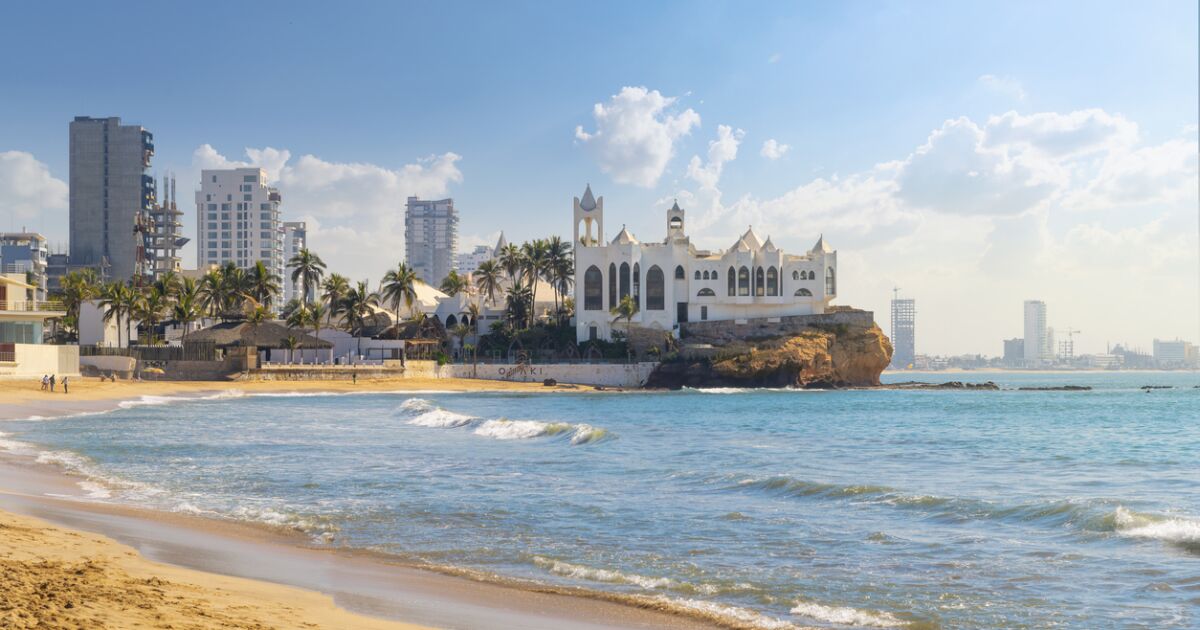
Based on this progress, the government raised the goal to $3 billion. Rocha assures that investors know the terrain and mentions Mazatlán as an example of a tourist destination with security and a high influx of cruise ships.
The impact of violence
Violence contradicts that message. The diagnosis of the State Council of Public Security of Sinaloa, a citizen organization, indicates that between September 2024 and June 2025, Sinaloa registered 2,015 deprivations of liberty, 1,538 intentional homicides, 37 femicides, 5,811 vehicle thefts and 2,304 business robberies.
40 murders of minors, more than 100 vandalized properties and numerous business closures were also documented.
Theft from businesses clearly reveals the deterioration. During the first half of 2025, 1,409 complaints were filed, 62% more than in the same period of 2024. The annual rate went from 56.12 to 85.63 complaints per 100,000 inhabitants.
Culiacán concentrated 82% of the cases with 1,159 complaints. Mazatlán took second place with 121 and Ahome third with 97. Navolato, Guasave, Elota, Salvador Alvarado and Concordia completed the map of red spots.
Coparmex indicates that extortion maintains an upward trend. In June 2025, 56 victims were recorded, an increase of 9.8% compared to the previous year. The monthly number rose from 3 to 12, which represents an increase of 300%.
Small and medium-sized businesses suffer more intensely. They lack effective protection mechanisms and are exposed to criminal networks that take advantage of their vulnerability.
Vehicle theft shows the magnitude of the deterioration. In the first half of 2025, 8,847 investigation folders were opened, 156.2% more than in 2024. In May alone, 640 cases were counted, a figure not recorded since 2017. This crime impacts individuals and also companies that depend on transportation for their logistics operations.
Coparmex in Sinaloa warns of deep damage. Estimates 7,000 fewer employers and 36,000 jobs lost. More than 2,000 businesses closed permanently. Investment conditions fell. No one knows when signs of recovery will come, said the organization, which calls for firm actions and greater empathy from the state government.
In the midst of this tension, authorities and businessmen hold constant meetings. On September 10, 2025, the federal security cabinet headed by Omar García Harfuch went to Military Air Base No. 10 in Culiacán. Business representatives expressed concerns and listened to official reports.
Governor Rocha reported that during the meeting the commitment to combat crime was reiterated. Arrests of priority targets were mentioned and businessmen were invited to participate in security strategies.
But the distance between political discourse and daily life is perceived in each figure. Violence raises operating costs, erodes trust and slows down investment decisions.