The investments necessary to ensure quality education, eliminate deficiencies, maintain infrastructure and enhance education professionals over the next 10 years is 7.5% of the Gross Domestic Product (GDP). This is what the report of the National Education Plan (PNE) 2025-2035 points out, presented this Tuesday (14) at the Special Committee that analyzes the topic in the Chamber of Deputies. The text will now be discussed in five sessions of the collegiate before being put to a vote.
According to the report by deputy Moses Rodrigues (União Brasil-CE), the result concerns the sum of allocated resources, investments and subsidies, with public education at all levels – kindergarten, elementary and higher education. The estimate is that the value will be R$ 280 billion, over the next 10 years, of which R$ 130 billion would be to eliminate historical deficiencies, such as illiteracy, minimum percentage of people with primary and secondary education, among others, and R$ 150 billion for the maintenance of educational infrastructure.
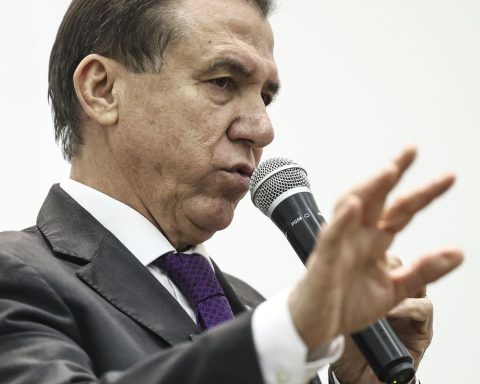
“We are here demonstrating that we found an adequate number in percentage and we could not fail to have a commitment to Brazilian education and repeat a number that has been repeated for a long time, which is 10% [do PIB]. Back then, considering the demographic issue, perhaps 10% would have been needed, but with the reduction in the population estimate we reached that percentage”, stated Rodrigues during the presentation of the opinion.
The PNE outlines 19 objectives to be achieved in the next decade. For each objective foreseen in the plan, goals were established that allow monitoring throughout the decade, through a set of strategies with the main policies, programs and actions involving the Union, the states, the Federal District and the municipalities.
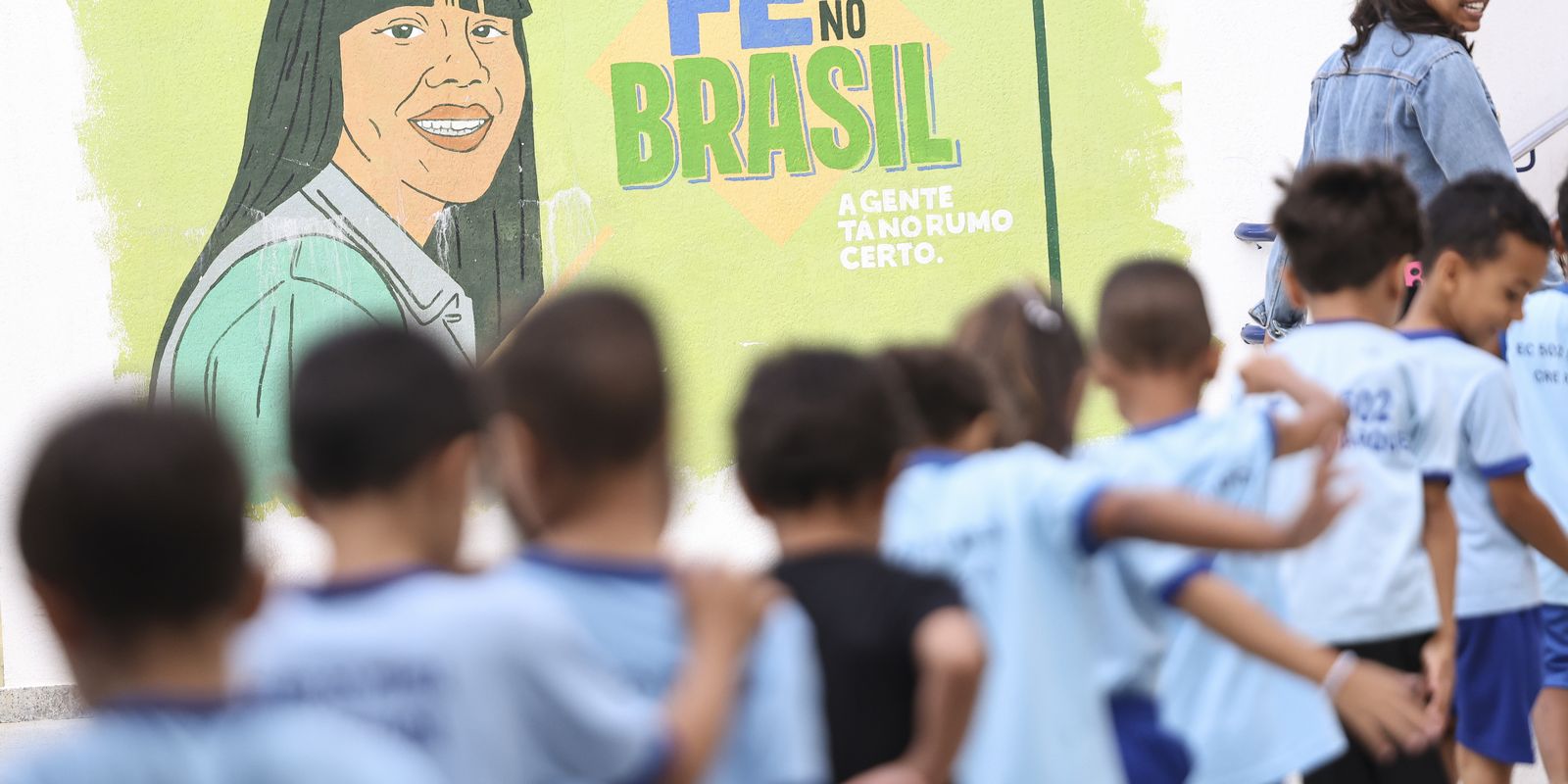
The emphasis of the new PNE is on the quality of teaching, with objectives and goals focused on quality standards in early childhood education, professional and technological education, higher education and teacher training.
Furthermore, there are specific objectives for the modalities of indigenous school education, rural education and quilombola education. The project maintains goals for integral education and also for the target audiences of special education and bilingual education for the deaf.
To finance the goals set out in the plan, the rapporteur proposed the need to allocate resources from oil exploration for investments in expansion, modernization and adaptation of the physical and technological infrastructure of schools; in reducing inequalities between education networks and ensuring national quality standards. The networks are also expected to receive additional resources, conditioned on meeting access and school performance targets.
A bill was included in the PNE, so that the Pre-Salt exploration resources, estimated at R$220 billion, will be dedicated to education.
“We found a growth in pre-salt exploration resources, there is a growth that is not expected to be used from 2026 onwards and before an owner appears we are tying up these extraordinary resources, which exceed what is already predicted. Only oil meets 80% of what we are putting in our opinion”, he stated.
“In addition, the proposal places the PNE and everything that will be invested in infrastructure over the next 10 years outside the fiscal framework, as we will have a budget and there will be no way to spend it, as it will remain within the fiscal framework. There is no point in having the money and not being able to use it”, he added.
The remainder of the resources to finance the PNE would come from the negotiation of the State Debt Payment Program (Propag), in which the states would commit to exchanging part of their debts for social investments. The bill also leaves open the possibility for the federal government to forward new sources to the plan.
“Society will invest more in education and here the state and municipal networks will have to compete with each other. We are not going to take a poor municipality there in the Northeast or the North, to compete with a municipality with the grade, performance or result in Paraná. We want performance and results to always be in reference to the previous results of that municipality so that it can have more access to new resources”, defended Moses.
To this end, the text establishes a calendar, with dates for each manager’s strategic planning to achieve goals. A long-term Education Plan, with the definition of general goals and guidelines and an Action Plan, to be prepared every two years, by Union States and Municipalities, with indicators, intermediate goals and operational plans.
“All resources will be maintained and even brought forward, but in the action plan, every two years, there must be a commitment so that society can know how it is being invested and what results are being achieved”, he explained.