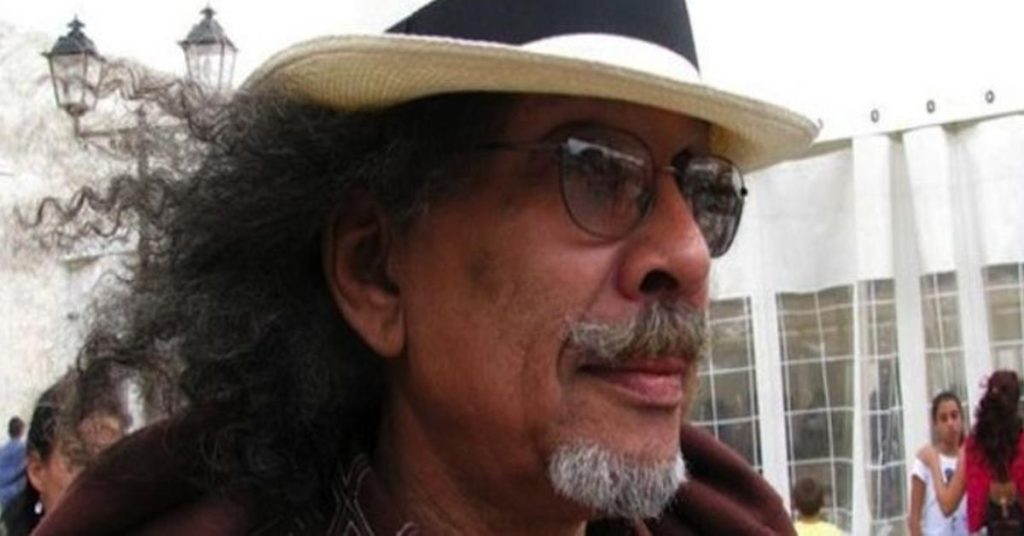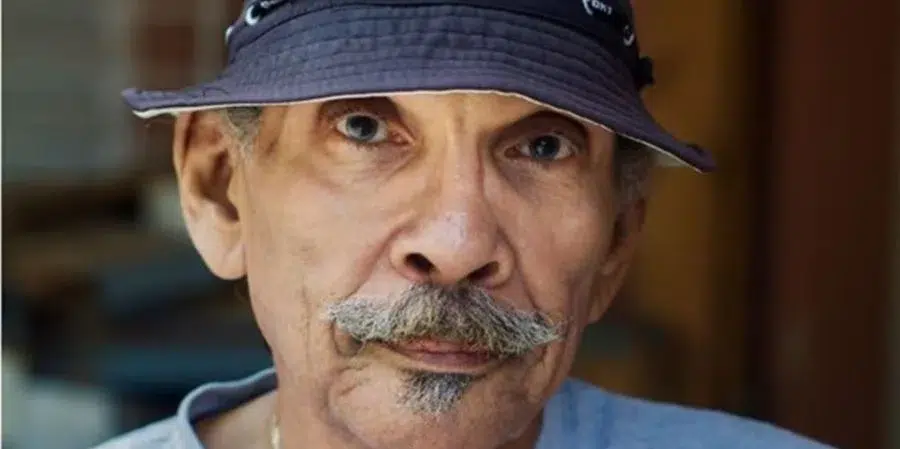
Born in the Cuban capital in 1950, González Febles became a key figure of the independent press on the Island.
MIAMI, United States. – Cuban independent journalist Juan Johnny González Febles died this Tuesday in Havana at the age of 75. The news he disclosed it on Facebook the writer and journalist Luis Cino, who was his coworker for years.
CubaNet He also confirmed the death with journalist Julio Aleaga Pesant, who added that, according to the information available so far, the wake will be at the Alamar funeral home.
González Febles was born in Havana on May 21, 1950. Graduated in arts and letters and scientific and technical information, he worked as a translator, teacher and baker. He started in the independent press in 1998, at the Nueva Prensa agency, directed by Mercedes Moreno. In 2007 he created the weekly Primavera Digital, which he directed for more than a decade, until he had to close in 2018 due to lack of financing. Several of the most prominent independent journalists and opposition leaders wrote in Primavera Digital. The project operated as a home newsroom in Lawton, headed by him and his wife, photographer and editor Ana Torricella.
“Febles was always distinguished by his acuity and his incisive pen, which was not always well assimilated and brought him many misunderstandings,” his colleague and friend Luis Cino told Cubanet.
In the 2000s, when the siege of the independent press in Cuba reached one of its harshest moments—particularly after the mass incarcerations of the Black Spring of 2003—the medium Digital Spring He played a crucial role in documenting repression and defending freedom of expression. In a context in which there were hardly any media not controlled by the State, and practicing independent journalism implied the risk of prison, harassment and censorship, Primavera Digital became one of the few platforms that managed to give a voice to the persecuted, and denounce human rights violations.
In 2014 he published a book of stories titled The book of Havana.
His journalistic work was marked by harassment from State Security. The Committee to Protect Journalists (CPJ) cited him in a 2011 special report as director of Digital Spring and documented his arrest that year while photographing agents of the National Revolutionary Police (PNR) removing satellite dishes from the roofs of his neighbors in Havana.
In that report, CPJ also included this statement from him about the limitations of access in Cuba: “We know that the majority of our online readers are outside of Cuba” and, to reach the domestic audience, some materials “are passed from hand to hand.”
The repression he faced was not an isolated event. In February 2010, CubaNet reported who was detained for more than 10 hours when he was on his way to sign the book of condolences for the death of the political prisoner Orlando Zapata Tamayo.
In the last stage of his life, his health deteriorated. This medium published in December 2022 an SOS signed by Luis Cinoin which it was pointed out that González Febles suffered “from senile dementia that progresses[ba] per day” and that he had become disoriented on the street on more than one occasion.
This 2025, the Cuba Sindical project visited and honored González Febles and his legacy was highlighted in Digital Spring with Ana Torricella. The note from that organization specifies that the journalist suffered from Alzheimer’s.
In addition to journalism, González Febles cultivated narrative. In 2015, Martí News dedicated an interview on the occasion of his book of stories “El libro de La Habana” (Neo Club Ediciones, 2014), where he reviewed his transition between civic activism and fiction.