In Latin America, where climate change-induced disasters are intensifying, the International Organization for Migration (IOM) and the European Union launched the Prepare initiativee+, that puts inclusion at the center of calamity preparedness
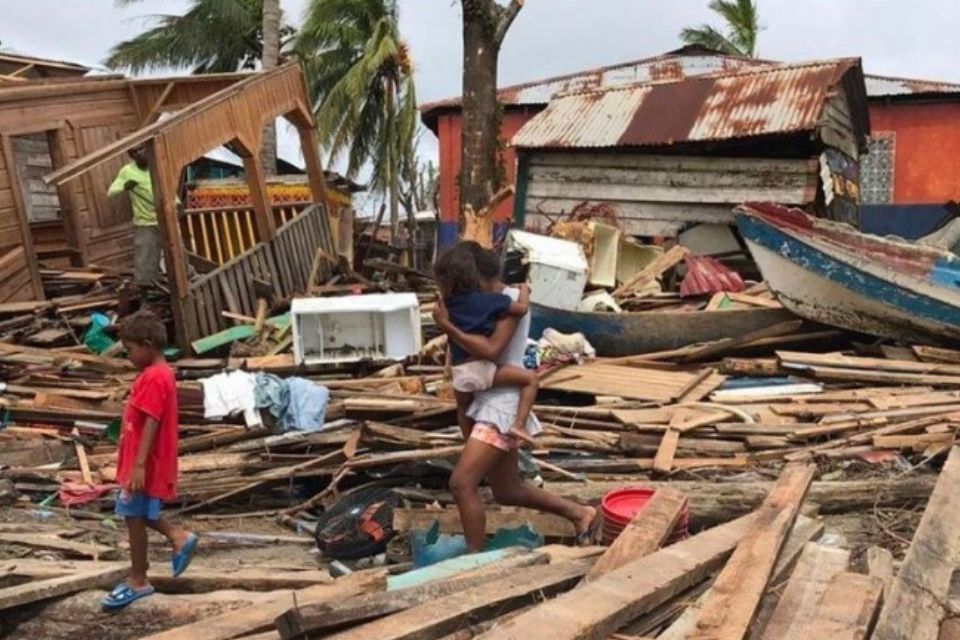
The costs of the most intense disasters exceed 2.3 trillion dollars annuallybut funding for prevention remains dangerously low, UN Secretary General António Guterres warned on Monday, October 13.
In his message for the International Day for Disaster Risk Reduction, celebrated every October 13, António Guterres stressed that as the climate crisis accelerates, disasters are multiplying at an increasingly devastating rate and can erase decades of development progress in just a few minutes.
Faced with this reality, the UN called for “funding resilience, not disasters,” highlighting that only 2% of development aid and less than 1% of public budgets are currently allocated to risk reduction.
In this sense, Guterres emphasized that insufficient financing for prevention is “a miscalculation with devastating human and economic consequences,” and stated that for every dollar invested in resilient infrastructure in developing countries, four dollars are saved when disasters occur.
Governments and donors “must urgently increase investments in risk reduction, while the public and private sectors must participate in decision-making,” Guterres emphasized, calling for immediate action to address growing risk by increasing resources, in order to build “a safer and more equitable future for all.”
*Read also: Rains in Barinas, Zulia and Mérida cause floods, landslides and bridge collapse
Latin American regional project
In Latin America, where climate change-induced disasters are intensifying, the International Organization for Migration (IOM) and the European Union launched the initiative Get ready+, that places inclusion at the center of calamity preparedness.
The project seeks to involve women, migrants and displaced people, and other marginalized groups in planning and decision-making to strengthen community resilience in Colombia, Ecuador, Bolivia, and Chile.
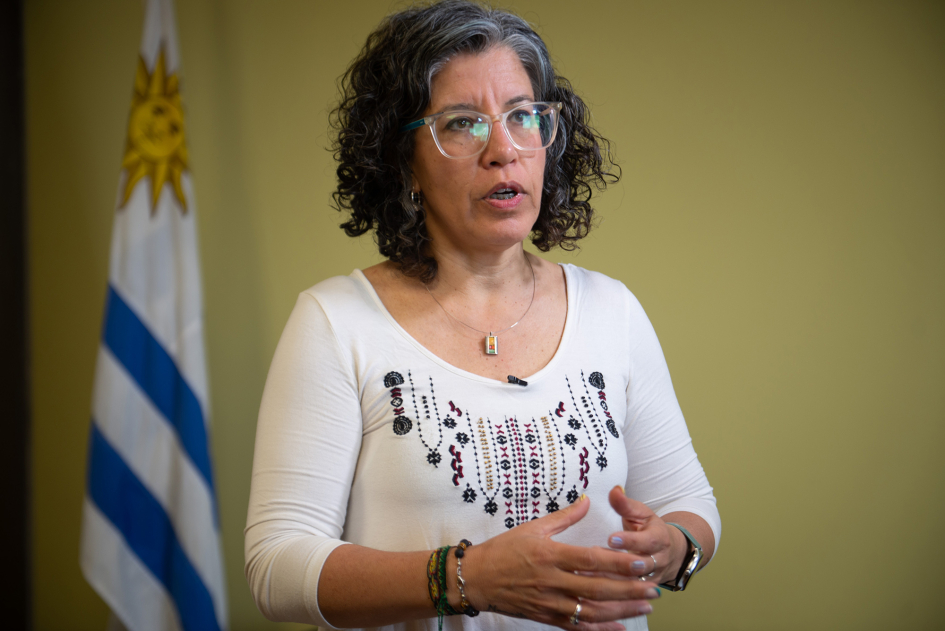
“The evidence is clear: when women and migrants are part of disaster preparedness, communities are stronger and more resilient,” said the IOM regional director for Latin America and the Caribbean.
María Moita explained that Get ready+ provides the region with the opportunity to move from a reactive approach to a “truly inclusive model that ensures that every voice counts and every life is protected.”
Despite progress, gaps in preparation persist
According to the IOM, despite the progress made in disaster risk management across the region, many communities remain vulnerable to crises due to persistent gaps in preparedness. Many families remain unaware of official emergency plans and public trust in institutions remains limited.
This means that the most vulnerable groups, such as women, migrants, displaced people, older adults, children and people with disabilities, are often underrepresented in preparedness efforts, even though they are most at risk.
Exclusion limits efficiency and increases costs
The IOM noted that this exclusion not only limits the effectiveness of response efforts, but also increases the human and economic toll of disasters, including floods, avalanches, forest fires, earthquakes and social turbulence.
Despite this exclusion, studies recognize encouraging progress. For example, several countries in the region have strengthened their legal frameworks, communities have developed their own adaptation mechanisms, and women leaders play an increasingly prominent role in disaster preparedness.
These positive trends provide the opportunity to develop much more inclusive and sustainable systems for risk management, which leave no one behind.
Risks and opportunities
The analyzes carried out within the scope of the Prepare+ initiative highlight both risks and opportunities. They reveal that disasters and social impacts are intensified by structural challenges such as informal housing, limited access to essential services, and precarious livelihoods.
At the same time, they highlight how inclusive governance, strong legal frameworks and women’s leadership can serve as powerful drivers of resilience.
The 2025 global displacement report revealed that more than 83 million people were living in displacement worldwide in 2024. Latin America is one of the regions most affected by extreme weather events and violence.
These data highlight the urgent need for inclusive preparedness shared between governments, communities, and partner organizations with the objective of saving lives, the IOM stressed.
With information from the UN
*Journalism in Venezuela is carried out in a hostile environment for the press with dozens of legal instruments in place to punish the word, especially the laws “against hate”, “against fascism” and “against the blockade.” This content was written taking into consideration the threats and limits that, consequently, have been imposed on the dissemination of information from within the country.
Post Views: 160