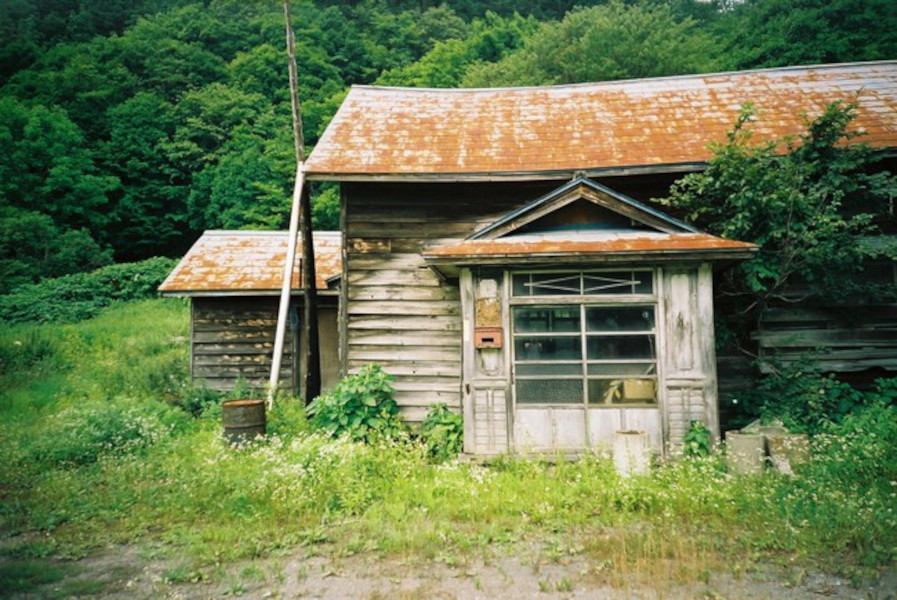
The key is to facilitate expropriations (taking State property) in cases where the house has debts that the owner can pay with the value of the house. It is done only for reasons of “safety, hygiene or public need”, always respecting the rights of the owner and the legal process. Thus, local governments (such as Cologne) can use these lands for affordable housing plans.
What happened in the Senate on Wednesday?
The Senate approved it unanimously (all senators present voted in favor). The commission had already given it on Tuesday, October 7.
– From the Frente Amplio: Senator Óscar Andrade presented it and said that it is key to providing access to urban land.
– From the Colorado Party: Tabaré Viera supported, saying that it balances respect for property with the common good.
– From the National Party: Sergio Botana and José Luis Falero supported it, highlighting that it avoids abandoned and boarded up houses.
Nobody objected; It was a total agreement between parties.
What effects would it have?
It does not solve everything at once, but it speeds up the mayors taking action on expropriations and using the land to help families in need. In Uruguay, with high demand for housing, it could reduce “useless” empty houses and improve neighborhoods with habitability problems. For example, in Colonia (with 17,000 unoccupied homes) and Carmelo (about 1,000), it could help local plans.
What’s next?
It now goes to the Chamber of Deputies for debate and voting. If they approve it, it becomes law and goes into effect soon. Departments like Colonia could apply it immediately.
Data
In the department of Colonia: There are 17,019 unoccupied homes, which represents 24% of the total homes in the department. Of these, 40.7% are in temporary use (as second homes or rentals in the area for tourism).