Writes Héctor Soldi, president of the Board of Directors of the Humboldt Institute for Marine and Aquaculture Research
In 1968, ecologist Garrett Hardin published an epochal essay: The Tragedy of the Commons. Its approach is as simple as it is disturbing: when a resource belongs to everyone, but no one regulates it, it ends up being destroyed by excessive use. What was a warning about overpopulation and the limits of the planet has become a current metaphor for many current problems, from climate change to, yes, artisanal fishing in Peru.
The principle is clear: if everyone seeks to extract the maximum individual benefit from a shared resource, the collective result is collapse. That is exactly what we are seeing today in the Peruvian sea.
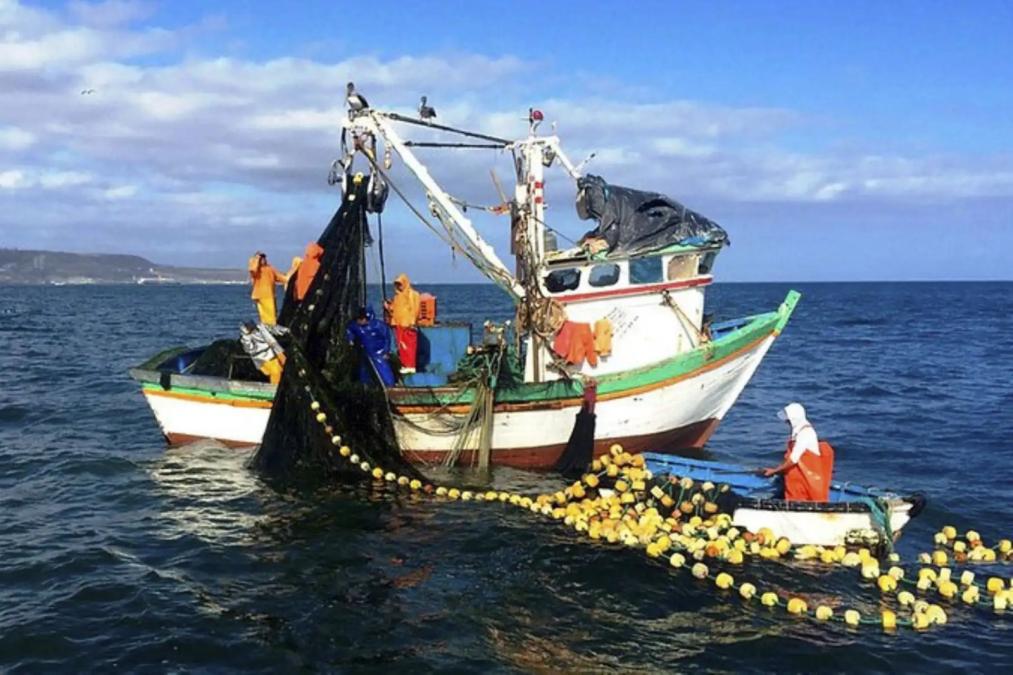
During the last decades, the artisanal and smaller-scale fleet has grown uncontrollably. In 1960 there were about 3,600 boats; In 2018 there were already 19,600, and today it is estimated that they exceed 23,000, despite the fact that it is prohibited to build new warehouses. This expansion, documented by studies such as Growing in Poverty (Santiago de la Puente, Daniel Pauly and others), shows a paradox: a few shipowners concentrate the profits, while the majority of fishermen become poorer and face increasingly frequent crises, such as the recent one involving the giant squid.
The problem is not only the number of boats, but the loss of the true meaning of artisanal fishing. The one who inherited the respect for the sea and the prudence of those who fish thinking about tomorrow. Today, many vessels that call themselves artisanal operate at long distances, with high autonomy, outside the spirit of the law, but seeking to maintain privileges and political protection.
Added to this is dangerous pressure from certain sectors that seek to reopen formalization processes for thousands of illegally built vessels. It is the same logic of “everyone gets in” that we have already seen in informal mining. A new “fishing REINFO” would be another blow to order, sustainability and the fishermen who did comply with the law.
The solution goes through three complementary paths. First, firm regulation that curbs fleet expansion and requires satellite control and individual licenses. Second, strengthen inspection: there is no point in prohibiting if illegal shipyards continue producing ships every week. And third, redefine what we mean by “artisanal fishing”, creating an intermediate category that reflects the reality of smaller-scale vessels without distorting the essence of traditional fishing.
We are facing a “tragedy of the commons” in real time. If we do not act, the excess fleet will lead to increasingly serious environmental, social and economic crises. What is at stake is not just the squid or the mahi mahi: it is the future of the sea and thousands of families that depend on it.