The negotiation of the minimum wage by 2026 It is already emerging as one of the central issues on the country’s economic and social agenda. From the National Government An increase of close to 11% has already been suggested, a figure that far exceeds inflation forecasts and has generated expectations and misgivings alike.
The Executive, motivating its position with that projection, would have given internal instructions for its spokespersons to defend that percentage at the labor consultation table that will be set up in the coming months.
However, even before the negotiations officially begin in December, there is an atmosphere full of tension and mistrust, since Business sectors question that the political decision was made beforehand, while unions press for real improvements that mitigate the high cost of living.
(Further: Mintrabajo accuses union leaders of acting like “rabid political opponents”).
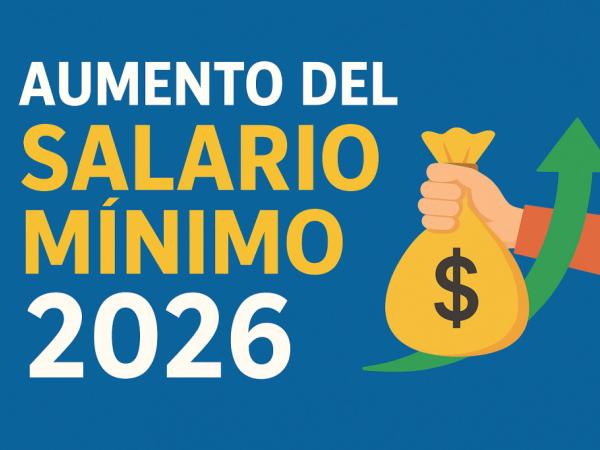
Minimum Wage 2026
Source: Canva
Under this context, the Minister of Labor, Antonio Sanguinoconfirmed that although an increase in the minimum wage is projected in 2026, this will not be enough for luxuries, but for more basic and essential expenses.
Sanguino clarified that the objective of the increase is to improve the purchasing power of workers and strengthen the national economy, but maintained that this improvement will not be so substantial as for those who earn minimum wage to change their consumption habits dramatically.
The agreement process and the estimated amount of the increase
To define the new minimum wage, the government, employers and unions must sit down and talk, taking into account variables such as inflation and productivity.
(Read also: Is inflation in Colombia accelerating? This explains the September data).
It has been known that a proposal from the Executive contemplates a 11% increase, which would raise the minimum wage from $1,423,500 to $1,580,085 (not including transportation assistance).

Antonio Sanguino, Minister of Labor
César Melgarejo / Portfolio
However, this figure has not been accepted by everyone. For example, the president of Fenalco, Jaime Cabalrejected such a magnitude of increase and decided to withdraw from the negotiating table, arguing that it could affect the profitability of companies, especially those of smaller size.
For its part, Fedesarrollo recommended that the increase not exceed 7%, based on an inflation estimate of 5% and a projected productivity of 1%. Their main concern is that an excessive increase could harm informal workers who do not have formal jobs.
Criticism of business arguments and the tone of the debate
Sanguino criticized the statements of the president of Fenalco by stating that there is no concrete evidence of massive company closures due to labor reforms. According to the minister, chambers of commerce and study centers do not report data that supports the version of widespread losses.
(You can read: Labor costs, the growing threat to job creation).
The minister also reacted to the union leader’s comment, describing it as “lies” the statements that the salary increase would allow international travel, and clarified that the worker with minimum will buy at the corner store or the neighborhood supermarket, not in large luxury centers.
Dismantling the lies of a political opponent who poses as a “union leader.” The worker who improves his income in real terms, due to the significant increase in the minimum wage, is not going to shop in Miami or Paris, he does so at the corner store or in the… https://t.co/i06SOlLyhi
— Antonio Sanguino (@AntonioSanguino) October 8, 2025
“The worker who improves his income in real terms, due to the significant increase in the minimum wage, is not going to buy in Miami or Paris, he does so in the corner store or in the neighborhood supermarket that this man claims to represent.“, he mentioned.
In addition, Sanguino questioned Fenalco’s role in not participating in salary negotiations and suggested that its president could have political interests in his position.
Risks and implications
Organizations like Acopi have warned that attributing company closures directly to labor reforms is premature.
According to the union, cited by ‘Infobae’, employers are more cautious when hiring, as a result of the uncertainty about the economic prospects, without being able to associate this climate with the immediate effects of the reform.
He also assured that if the tripartite dialogue between the government, workers and employers breaks down, it will be much more difficult to reach agreements on the minimum wage.
PORTFOLIO