Influenced by the rise in electricity bills, official inflation in September was 0.48%, reversing the behavior of August, when it fell 0.11%. In 12 months, the National Index of Broad Consumer Prices (IPCA) accumulates 5.17%, above the government’s target, which is a maximum of 4.5%.
You data were released this Thursday (9) by the Brazilian Institute of Geography and Statistics (IBGE). September’s data is the highest since March (0.56%).
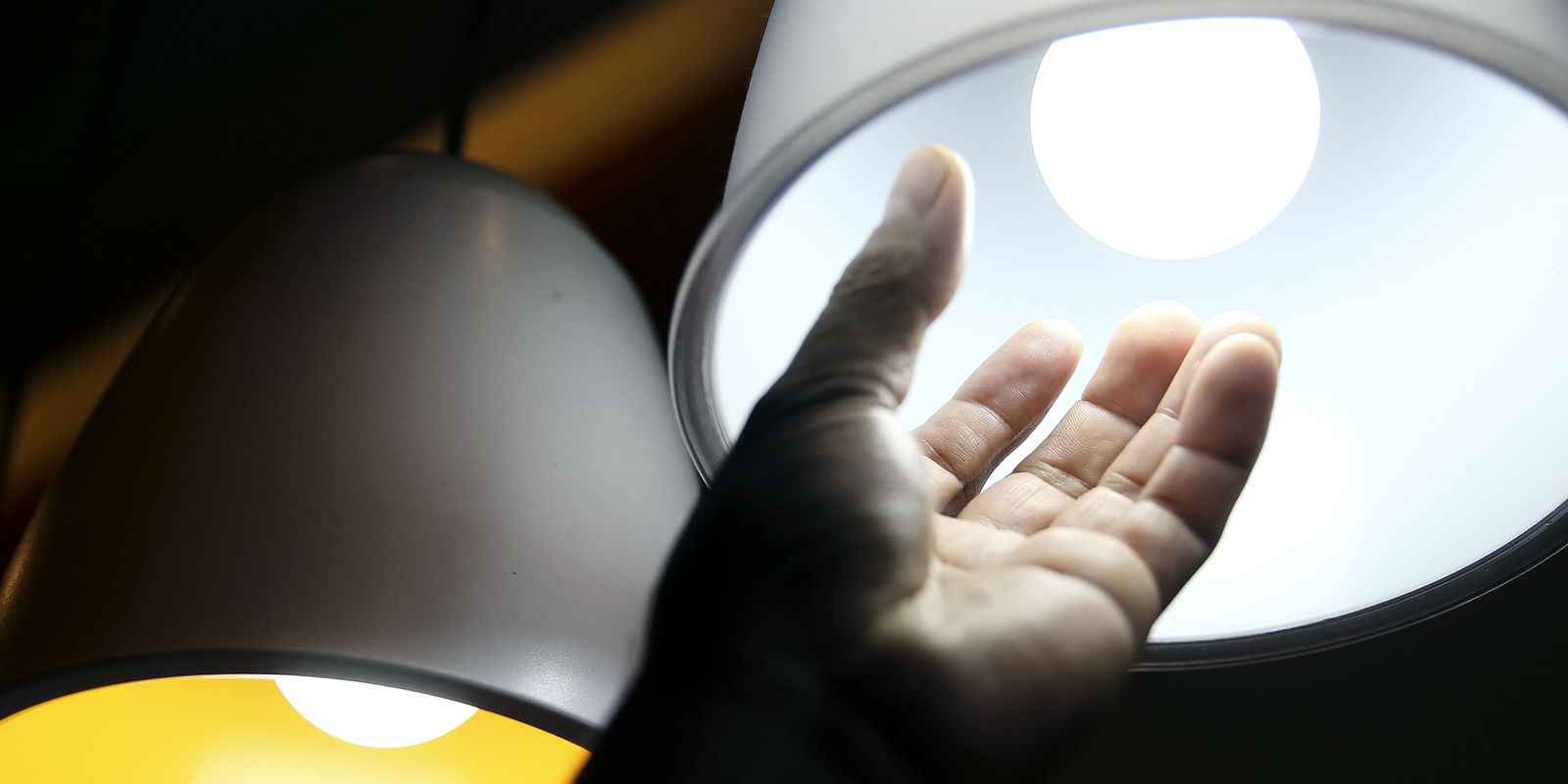
THE The housing group exerted the greatest pressure on prices, rising 2.97% – representing an impact of 0.45 percentage points (pp) on the month’s IPCA. Within the group, the sub-item residential electricity, which had changed -4.21% in August, rose 10.31% in September, registering the biggest individual impact (0.41 pp) on inflation. Considering only the months of September, it is the biggest expansion in housing since 1995, when it rose 4.51%.
The rise in the electricity bill is explained by the “return” of the Itaipu Bonus, a discount on the August bill that benefited 80.8 million consumers. In September, without the bonus, the bill is higher compared to the previous month.
In addition to the end of the bonus, the electricity bill is influenced by the validity of the red tariff flag level 2, which added R$7.87 to the electricity bill for every 100 KWh consumed.
The extra charge is determined by the National Electric Energy Agency (Aneel) to pay for thermoelectric plants in times of low hydroelectric reservoirs. The additional amount is necessary, as the energy generated by thermoelectric plants is more expensive than hydroelectric plants.
According to the research manager, Fernando Gonçalves, if the electrical energy sub-item were removed from the calculation in September, inflation for the month would be 0.08%.
For October, the Aneel ordered the return of the red flag level 1 (additional R$4.46), which would tend to reduce electricity bill inflation. But Gonçalves considers that it is necessary to evaluate the impact that could be caused by concessionaires that usually readjust tariffs in October, such as those in São Paulo, Goiânia and Brasília.
In 12 months, the electricity bill rises 10.64%.
Food drops for the 4th month
Although the IPCA returned to positive territory in September, the food and beverage group maintained its downward trend and presented the fourth consecutive month of price decline (-0.26%).
The highlights were:
– tomato: -11.52%
– onion: -10.16%
– garlic: -8.70%
– potato: -8.55%
– rice: -2.14%
In the four months of decline, the food and beverage group fell 1.17%. During the year, while the IPCA rose 3.64%, food prices saw an average increase of 2.67%.
“It’s a question of food supply. A greater supply”, explains the research manager, Fernando Gonçalves.
Groups
Of the nine groups surveyed by IBGE, three experienced deflation (average price drop) in the month:
– Housing: 2.97% (0.45 pp)
– Clothing: 0.63% (0.03 pp)
– Personal expenses: 0.51% (0.05 pp)
– Health and personal care: 0.17% (0.02 pp)
– Education: 0.07% (0.01 pp)
– Transport: 0.01% (0 pp)
– Communication: -0.17% (−0.01 pp)
– Household items: -0.40% (−0.01 pp)
– Food and beverages: -0.26% (−0.06 pp)
Spread
The diffusion index, used to measure the spread of inflation, fell from 57% in August to 52% in September. In other words, just over half of the prices of the 377 products and services surveyed by the institute increased last month.
IBGE also analyzes inflation by two groups: services and monitored. That of services, which works as a thermometer of the demand for goods and services in the economy, was 0.13%. Those monitored, controlled by the government, such as electricity bills, transport, health insurance, telephone and fuel, stood at 1.87%.
According to Gonçalves, services inflation is more resistant. “It depends a lot on salaries,” he says, remembering that the country experiences record employment and worker income.
The index
The IPCA calculates the cost of living for families with income between one and 40 minimum wages.
Price collection is carried out in ten metropolitan regions – Belém, Fortaleza, Recife, Salvador, Belo Horizonte, Vitória, Rio de Janeiro, São Paulo, Curitiba, Porto Alegre – in addition to Brasília and in the capitals Goiânia, Campo Grande, Rio Branco, São Luís and Aracaju.
*Article changed at 10:29 am to add information.