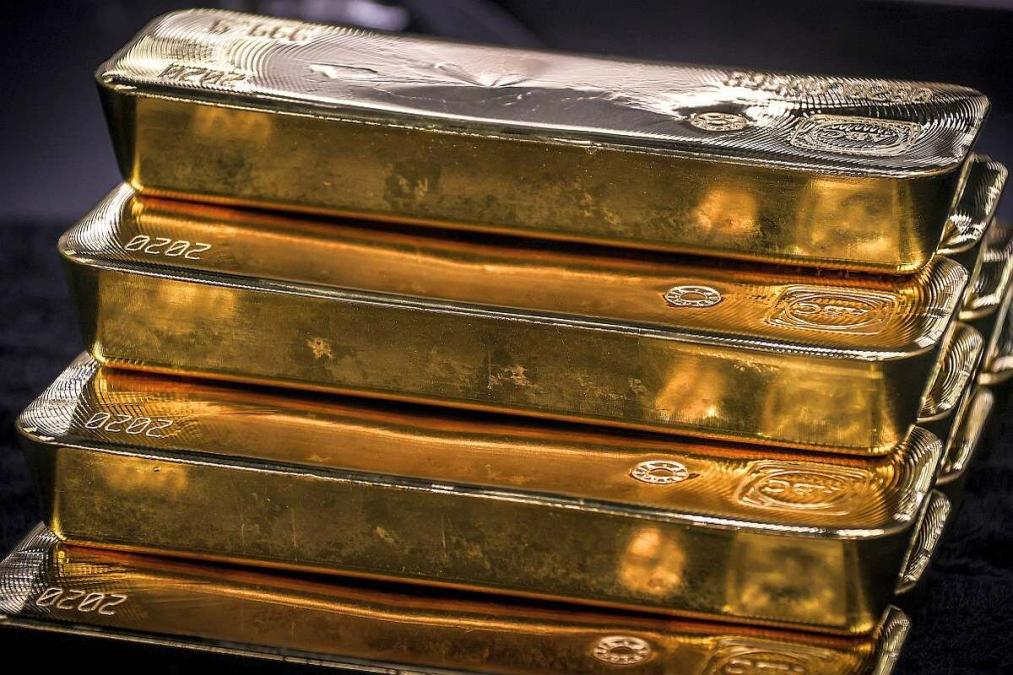
The extraordinary rebound of gold It has been one of the great milestones of the market this year. The price of the precious metal closed last week at US$3,886.6 per ounce, reaching a growth of 48% so far this year. And as the months have passed, its rise has intensified due to the risks that Donald Trump’s protectionist policies pose to the American economy and the independence of the Federal Reserve (Fed).
In September alone, the price of the metal rose 12% and investment banks are already predicting that the price of gold could exceed the US$4,000 mark. “We now expect gold to rise to US$4,200 per ounce in the coming months,” analysts at UBS bank wrote on Friday, raising their previous estimate of US$3,800, the Financial Times reported.
“We believe declining real rates in the US, further dollar weakness and continued political tensions will drive prices higher, attracting inflows into ETFs above what we initially anticipated,” they added.
For their part, analysts at Goldman Sachs said this week that gold remained “our strongest bullish recommendation in commodities” and that the “upside risks” to their projection of $4,000 an ounce by mid-2026 “have intensified.”
Factors
Fears that the growing US fiscal deficit (US$1.4 trillion) will reduce the attractiveness of US Treasury bonds have led investors to take refuge in gold.
Added to this factor are doubts about the independence of the Fed and the expectation of new cuts in its interest rates. The market foresees up to four reductions between now and September 2026.
It should be noted that lower interest rates tend to boost the price of gold, as they reduce the expected yield on bonds and lead investors to look for other assets.
Another additional variable that strengthens the price of gold is the US Government shutdown. The Government shutdown, which began on Wednesday of last week, could delay the publication of a large part of the economic data, which means that the Fed’s ability to accurately assess the situation of the labor market and inflation (already limited) will now be much worse.
This, in turn, could cause the market to reconsider its own conviction about the near-term rate outlook.
Regarding the impact on the country, Hugo Perea, chief economist for Peru at BBVA Research, pointed out that the rise in gold export prices improves the terms of trade, which increases the purchasing capacity of the Peruvian economy. This, in turn, causes the value of exports to exceed that of imports, generating a surplus in the trade balance and, therefore, the dollar depreciates.
Receive your Perú21 by email or Whatsapp. Subscribe to our enriched digital newspaper. Take advantage of the discounts.
RECOMMENDED VIDEO