Trump’s statements come just a week after U.S. Trade Representative Jamieson Greer said that U.S. trade talks with Canada and Mexico will likely be bilateral in the future, rather than trilateral, a change in the Republican administration as it embarks on the review of the USMCA.
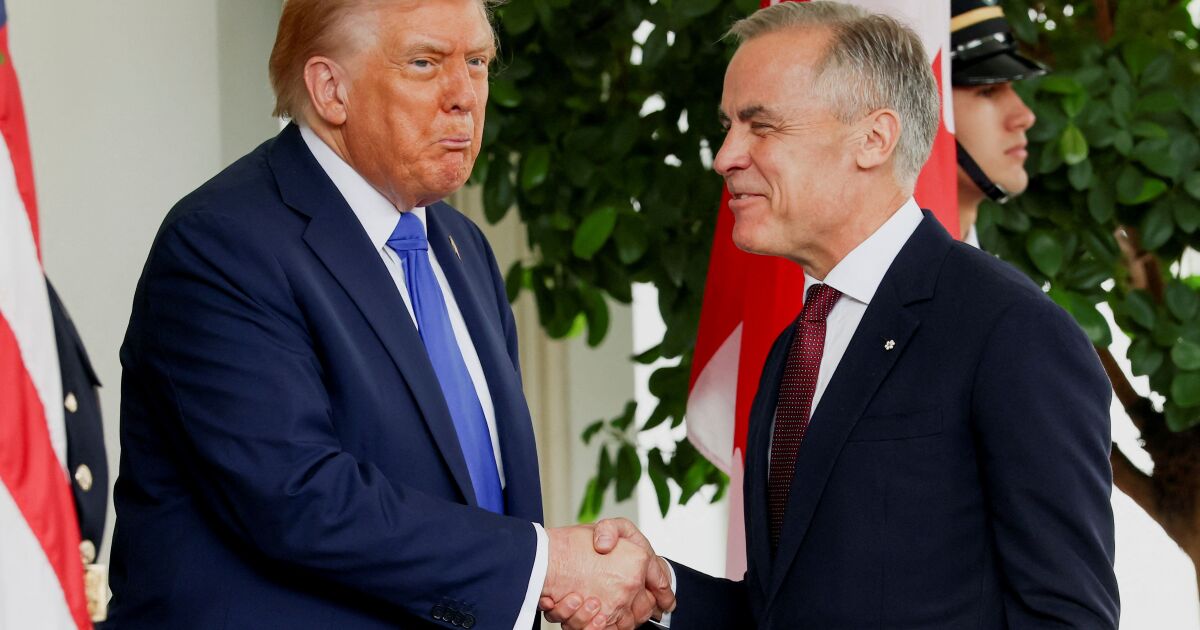
“I think they’re going to come away very happy,” Trump said, referring to Canada, in remarks in the Oval Office before a meeting with Prime Minister Mark Carney to discuss trade. “We’re going to treat people fairly. We’re especially going to treat Canada fairly.”
The Canadian minister responsible for bilateral trade later said that both sides had made progress during what he called a satisfactory, positive and substantive conversation with Trump, while making clear that no agreement had yet been reached.
“I’m happy and satisfied because I think we now have a momentum that we didn’t have when we got up this morning (…) but we haven’t finished our job yet,” Dominic LeBlanc told reporters.
Carney, making his second visit to the White House in five months, is under increasing pressure to address U.S. tariffs on steel, cars and other goods that are hurting Canada’s economy.
“(The talks) left us with the feeling that there is a desire to see how we can, starting with the steel and aluminum sectors, structure something that will benefit the economic and security interests of both countries,” LeBlanc said.
Renegotiation of the T-MEC or bilateral agreements
Carney initially responded to the tariffs by pushing for a separate trade and security agreement with the United States, but as talks showed problems, he shifted his attention to a review of the USMCA scheduled for 2026.
“We can renegotiate it, and that would be good, or we could make different deals,” Trump said. “We could make deals that are better for each of the countries.”
When asked about his preference, he responded: “I don’t care. I want to do what is the best agreement for this country, and also keeping Canada in mind.”
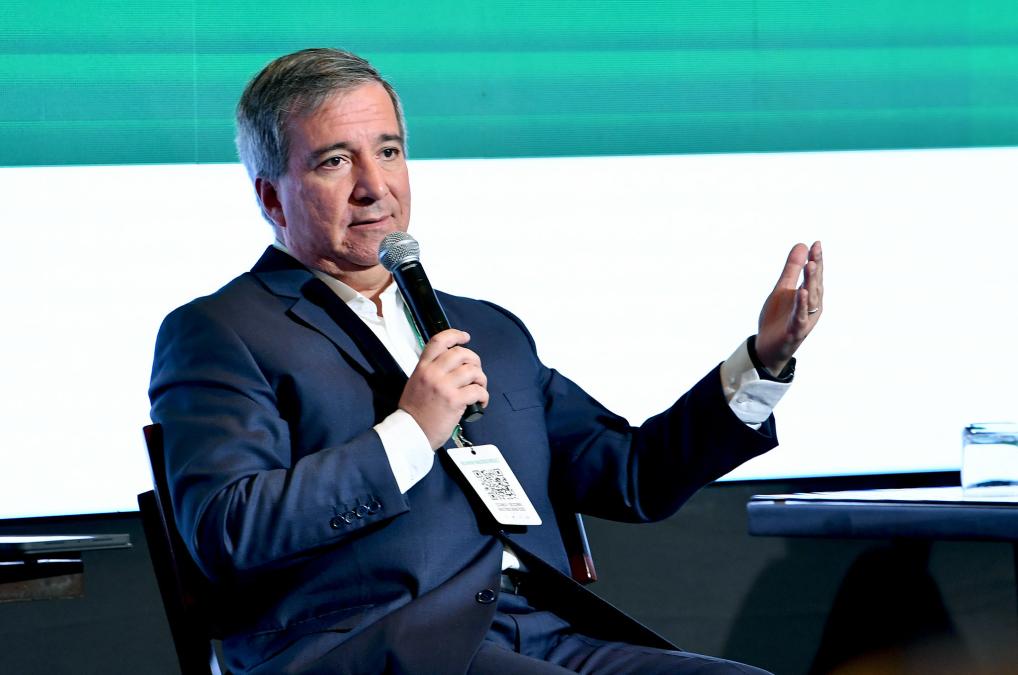
Later, the Mexican Undersecretary of Foreign Trade, Luis Rosendo Gutiérrez, sought to downplay Trump’s statements.
“I am confident that the treaty will continue to exist between the three countries, and we are talking about that at the negotiating tables,” he said during a public event.
“For 30 years, the issues in our free trade agreement between the three countries have occurred on many occasions bilaterally and then the three countries agree and reach a consensus on the issues,” added the official.
In March, Carney took over as prime minister from Justin Trudeau, who had a notoriously bad relationship with Trump.
Carney and Trump have since highlighted their good relationship.
“From the beginning, I liked him and we’ve had a good relationship,” Trump said.
“We have natural conflicts. We also have mutual affection (…) they know that we love each other very much,” he added.
Canada sends 75% of all its exports to the United States and is particularly vulnerable to trade measures by its southern neighbor. Mexico, for its part, sends 85% of its exports to its northern neighbor, its largest trading partner.
“There are areas where we compete, and it’s in those areas where we have to come to an agreement that works. But there are more areas where we are stronger together, and that’s what we’re focused on,” Carney said.
The prime minister last visited the Oval Office in May, when he bluntly stated that Canada would never be for sale, in response to Trump’s repeated threat to buy or annex Canada.
Since then, he has made numerous concessions, including lifting some tariffs and eliminating a digital services tax targeting American technology companies.