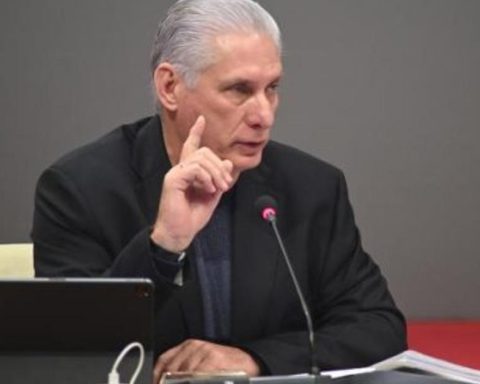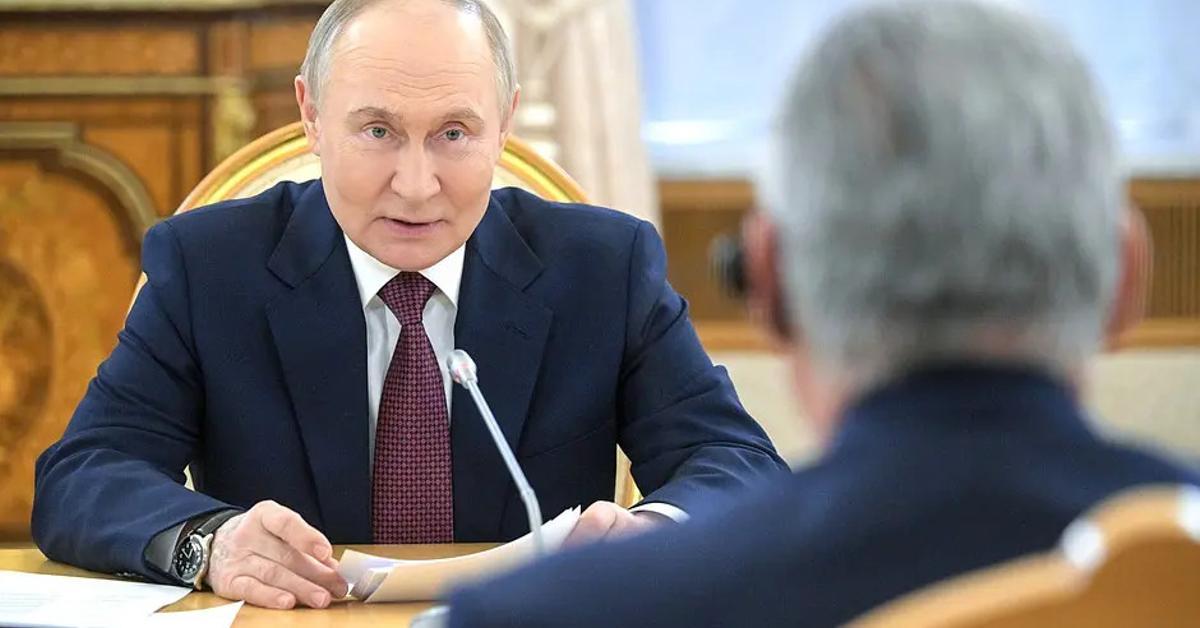
Moscow/The Russian Duma (Chamber of Deputies) ratified this Tuesday in a plenary session the intergovernmental agreement on military cooperation with Cuba, just when the United States denounces the massive participation of Cuban mercenaries in the war in Ukraine.
“Ratify the agreement between the Government of the Russian Federation and the Government of the Republic of Cuba on military cooperation signed in the city of Havana on March 13, 2025 and in the city of Moscow on March 19, 2025,” states the document presented to the Legislature by the Russian Cabinet of Ministers.
The Government indicated that the ratification of this document “will guarantee the necessary legal bases to define the objectives, directions and forms of bilateral military cooperation” and will reinforce the strengthening and development of relations between Russia and Cuba in the military sphere.
“After North Korea, Cuba has become the largest source of foreign mercenaries for the Russian army”
This ratification takes place days after the US State Department distributed to its diplomats an internal memorandum in which it denounces that between 1,000 and 5,000 Cubans have been recruited as mercenaries for the Russian Army, making Cuba one of the main sources of foreign fighters.
“After North Korea, Cuba has become the largest source of foreign mercenaries for the Russian military,” the memo states, accusing Havana of having “failed to protect its citizens from being used as pawns in the Russian-Ukrainian war.”
Last May, the Assembly of the Cuban Resistance denounced in Miami (USA) that Russia has recruited for the war against Ukraine, with the support of the Government of Cuba, up to 20,000 Cubansof which between 200 and 300 would have died.
Cuba and Russia, traditional allies since Soviet times, have promoted their bilateral relationship in recent years and even more so currently, when the island is experiencing its worst economic crisis in three decades, with a shortage of basic goods and an inflationary spiral, accentuated by the structural weaknesses of its production and the recurring failures of its electrical system.