Health authorities report more than 105,000 cases this year.
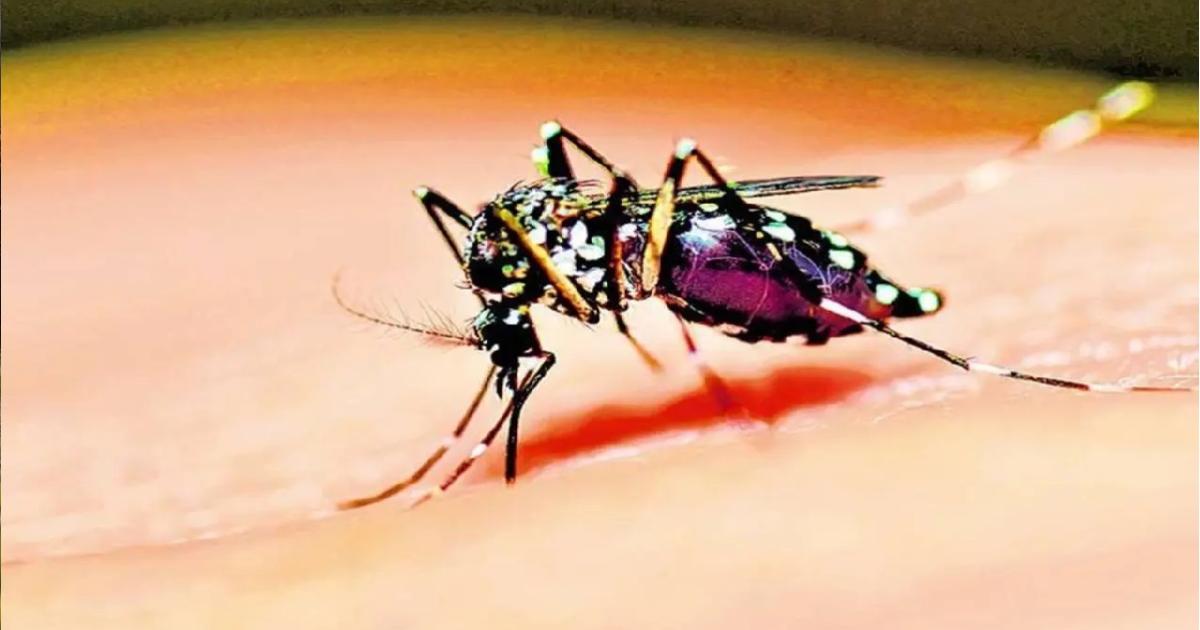
With the arrival of the school break weekthousands of families are preparing to travel to different regions of the country. However, the National Institute of Health (INS) warned about the high dengue circulationa disease transmitted by mosquito ‘aedes aegypti’which maintains a sustained increase in Colombia.
According to the most recent bulletin of that entity, This 2025, 105,467 cases of dengue have been registered, of which the 36.5% present warning signs, 1% are serious and have been confirmed 84 deaths. These figures keep health authorities on alert, especially during this period of tourist mobilization.
You may be interested in: Colombia registers 135 cases of yellow fever in the last year
Departments with the highest incidence
Dengue is not distributed uniformly throughout the national territory. Some Departments concentrate the greatest number of infections and deaths. The highest figures are reported in Córdoba (9,378 cases), Santander (9,374), Goal (9,156), North Santander (7,604), Antioch (7,409), Tolima (5,250), Cartagena (5,211), Cauca Valley (4,202), Atlantic (3,659) and Cundinamarca (3,541).
Regarding deaths, the Meta leads with 10 deathsfollowed by Antioch (8) and Santander (7). These regions, in addition to being tourist spots during the break week, present climatic conditions and environmental conducive to the proliferation of the transmitting mosquito.
Mobility and dengue prevention
In dialogue with Bienestar FM, microbiologist Andrea Cortés, from the Manuela Beltrán University, warned that The mobility of travelers during vacations favors the expansion of the vector.
“The movements of travelers to different regions of the country during vacations favor the conditions for the proliferation of mosquitoes.” Aedes aegyptithe main transmitter of dengue,” he noted.
Cortés highlighted the need for eliminate insect breeding groundsas tires, buckets, tanks and containers with standing waterto control the disease.
Likewise, he recalled the warning signs requiring immediate medical attention: persistent high fever, severe abdominal pain, bleeding from the nose or gums, continuous vomiting, seizures, no urine, black stools, or severe dehydration.
Among the main recommended prevention measures are use repellent, wear clothing that covers arms and legs, Install screens on doors and windows, eliminate stagnant water and sleep under awning in warm or rural areas.
More information: Experts reveal which foods help take care of your heart and strengthen health
During the recess week, it is suggested pay special attention to childrenkeep them well hydrated and go immediately to a medical center if you have any symptoms of fever or unusual discomfort.
Source: Integrated Information System