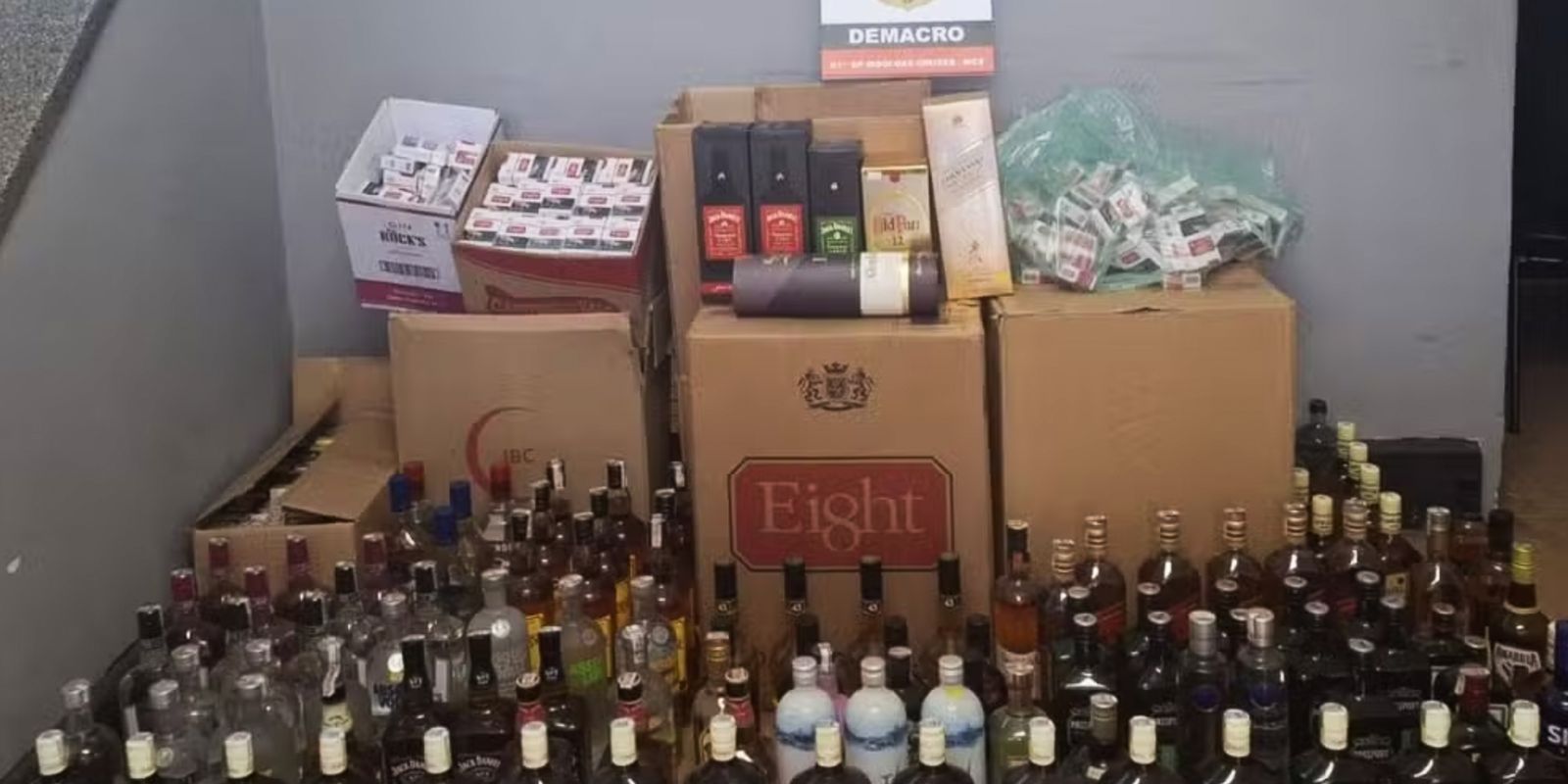
Agents of the Police Station for Crimes Against Intangible Property of Rio de Janeiro (DRCPIM) seized hundreds of beverage bottles suspected of irregularities on Saturday (4). 
One person was arrested for selling alcohol overdue and eight others were taken to the headquarters of the DRCPIM to provide clarification.
The inspection was done in establishments of the capital and Baixada Fluminense.
Work to curb the sale of adulterated drinks or unfit for consumption was intensified Since last Wednesday (1st), after cases of methanol poisoning that has occurred in several states.
More than 50 addresses of bars, distributors and homes have been checked in recent days and 14 people have been taken to the police stations to provide clarification.
Thousands of bottles were seized on suspicion of tampering or because they are expired or stored under unhealthy conditions
The first notification of Rio de Janeiro was made on Saturday (4) and refers to a suspicious case identified in the city of Niterói, in the Metropolitan Region.
The State Department of Health is still awaiting results of laboratory tests. A situation room was instituted on Friday to monitor the emergence of possible suspicious cases.
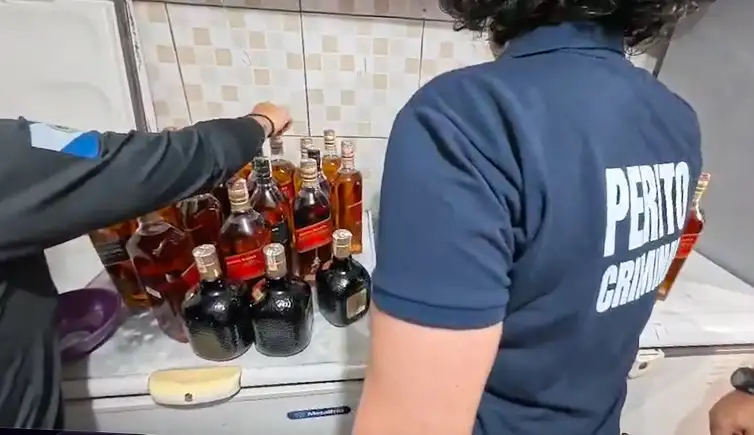
Rio de Janeiro – Rio Police Seize suspicious drinks in the capital and Baixada – Civil Police Disclosure/RJ
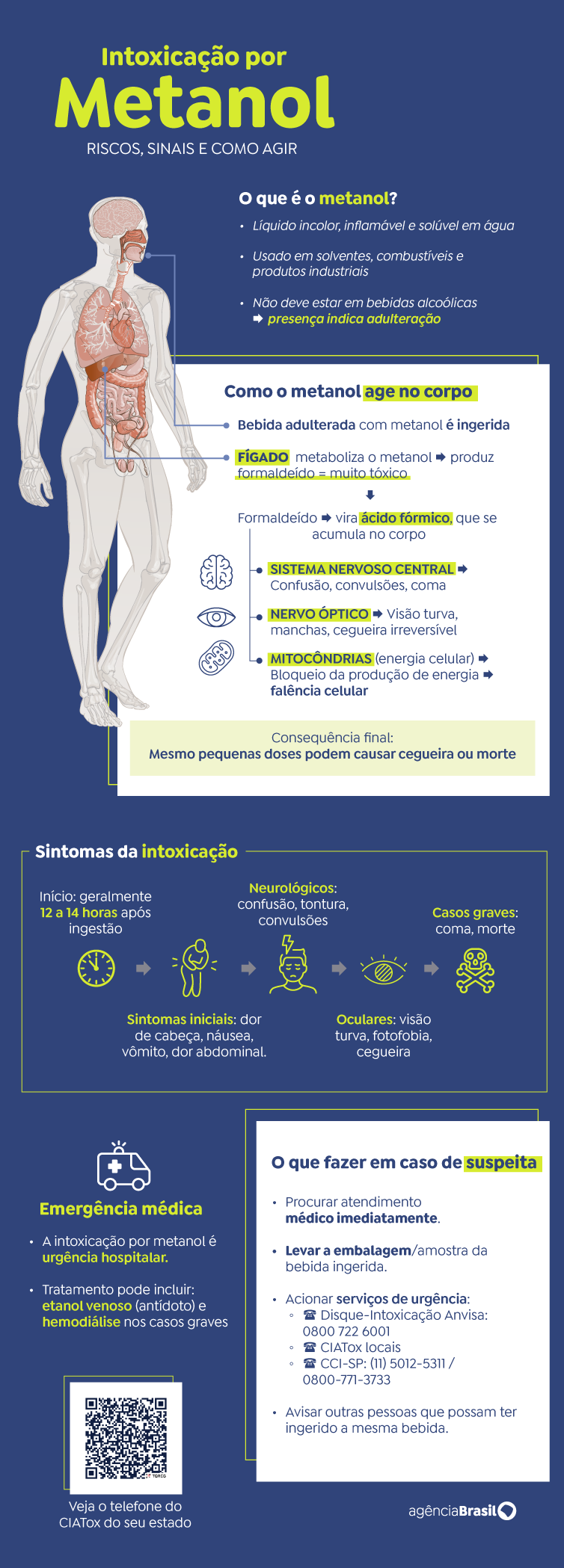
Medical emergency
Methanol poisoning is an extremely severity medical emergency. The substance, when ingested, is metabolized in the body in toxic products (such as formaldehyde and formic acid), which can lead to death.
The main symptoms of intoxication are: cloudy vision or vision loss (may reach blindness) and widespread malaise (nausea, vomiting, abdominal pain, sweating).
In case of identification of symptoms, immediately seek medical emergency services and contact at least one of the following institutions:
- Anvisa Dial-Intoxication: 0800 722 6001;
- CIATOX OF YOUR CITY For specialized guidance (see list here);
- São Paulo Poison Control Center (CCI): (11) 5012-5311 or 0800-771-3733-from anywhere in the country;
It is important to identify and guide possible contacts that have consumed the same drink, recommending that you immediately seek a health service for proper assessment and treatment.
The delay in care and identification of intoxication increases the likelihood of the most severe outcome with the patient’s death.