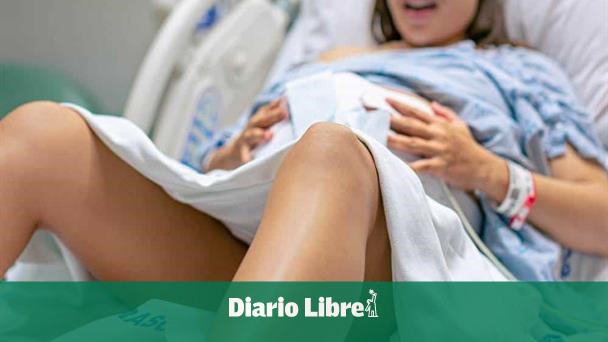
Nails 45,000 women die Every year in the world for postpartum bleedingthe main complication that occurs after giving birth, a figure that the World Health Organization (WHO) along with other agencies wants to reduce with the launch of new recommendations for the toilets that attend them.
The new guidelines, also published by the specialized magazine “The Lancet“They advise for example that health professionals act when the Blood loss exceed the 300 millilitersinstead of the 500 currently considered as alarm level.
He also insists on advising during childbirth insecure practices like the Episiotomiessurgical cuts in the perineum that in some countries are still practiced even routinely without the express permission of women, which is considered Obstetric violence.
The new list of recommendations, issued by the WHO next to the International Federation of Gynecology and Obstetrics (Figo) and the International Midrons Confederation (ICM), also insists on measuring the Blood loss with calibrated clothsa simple device that accurately quantifies hemorrhage.
Others advised practices To reduce severe cases are:
- Uterine massages
- Administration of Oxytocic drugs To stimulate contractions
- ANDXAUDS OF THE VAGINAL TRACT and genital, when postpartum bleeding has been confirmed and diagnosed.
Before childbirth
Before childbirth, it is requested to take into account risk factors such as Anemia in pregnant womenvery prevalent in middle and low income countries, and in those cases they are advised daily supplementations with iron and folic acidboth orally and intravenously if rapid correction is needed.
More than 300,000 women From 23 countries they have participated in the study “The Lancet“On severe postpartum bleeding, which is published in coincidence with the celebration of the World Figo Congress In Cape Cabo (South Africa).
- Non -mortal cases of postpartum bleeding They can cause an impact of life on physical and mental health, from important damage to the organs to Hysterectomies (Recirpations of the uterus), anxiety or traumas.