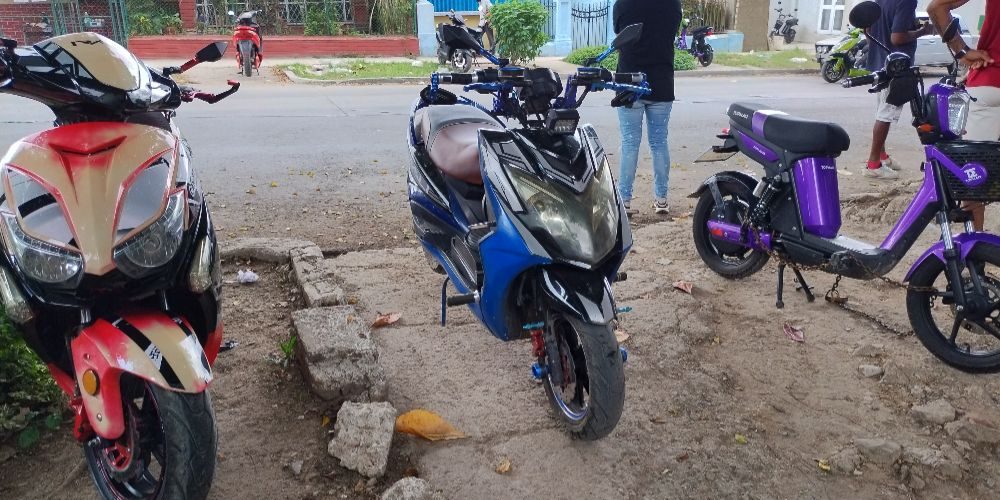
The main cause of these accidents is the combination of user’s negligence and inappropriate repairs of batteries
Lima, Peru – about 32 electric motorcycle fires were registered in the province of Villa Clara between January and October of this year, according to Lieutenant Colonel Ernesto Lima Guevara, head of operations of the Fire Department.
In statements to the state Cuban News Agencythe manager said that the fundamental cause of these incidents was poor management and inappropriate repairs of electric motorcycle batteries, added to the absence of good practices.
With a total of 20 fires, the residential sector was the most affected in the Central Province, followed by 10 that occurred on public roads and two in state institutions.
“The most complex situation lies in losses for citizenship, valued at approximately 95 million pesos,” says Lieutenant Colonel.
For its part, the Head of the Technical Prevention Unit of fires From the Villa Clara Fire Department, Jorge García Arbelo, confirmed that the main cause of these accidents is the combination of user negligence and inappropriate repairs of batteries, especially in motorcycles.
After using the electric motorcycles, he recalled, the battery is hot and needs a cooling period of approximately 30 minutes before connecting it to the load.
García Arbelo also highlighted the importance of respecting the recommended load times by each manufacturer. “It is usually between seven and eight hours, overcoming this time, the risk of overheating is significantly increased,” he said.
Other risk factors related to fires referred to by the authorities include prolonged exposure to the sun, wet the battery when washing the motorcycle, the use of electrical extensions in poor condition and, above all, informal repairs.
Electric vehicles have become A popular medium on the island before the crisis of mobility and the failure of public transport.
Last July, the Cuban regime recognized during the sessions of the National Assembly of Popular Power, the magnitude of the crisis that crosses public transport in the country, admitting that 68 % of the passenger transportation plan was barely completed so far this year. This implies that more than 400 million scheduled trips did not get to make, a figure that shows the operational collapse of the sector.