The partial closure of the Llano road during September had a direct impact on the behavior of the Agricultural Price Index (IPAP) of the Colombian Mercantile Stock Exchange (BMC). The indicator closed the month by 246.9 points, with an increase of 2.8 % compared to August, An annual growth of 8.8 % and an accumulated rebound of 9.5 % in the run of 2025.
You can see: There will be differential rates on tolls from the road to the plain after collapse in kilometer 18
The determining factor of the rise was the increase in cattle, which contributed 4.3 percentage points to the monthly result, that is, more than half of the total increase of the index. The combination of higher logistics costs due to landslides on the road, rains that reduced the supply and constant internal demand, one of the most representative products in the sector.
Logistic impact on cattle
The Bogotá -Villavicencio corridor is the main connection route between the eastern plains and the center of the country. Its partial closure due to landslides not only affected the mobility of people, but also the transport of food and cattle. The result was an immediate increase in transport costs, which moved to the final price of animals.
As explained by the financial vice president of the Mercantil Stock Exchange, Juan Camilo Suárez, “The increase in cattle responds to several combined factors, as greater transport costs for landslides on the plain road, the rains that reduced the available supply and greater internal demand. These elements reflect how logistics and climatic conditions can directly impact price formation in Colombian agriculture.”
The lower availability of animals in the marketing places in the interior of the country became one of the most visible expressions of this affectation. The increase in transport discouraged the output of cattle from the plains, while the additional costs were assumed by the final buyer, configuring a sustained rise.
The effect was felt not only in the price of livestock, but also in raw cow’s milk, which contributed 2.5 percentage points to the September IPAP. The increase in the meat and dairy chain reinforces the expectation of greater consumer prices in the coming months.
Also read: Does the road open? Ani assured resources to meet critical points at km 18
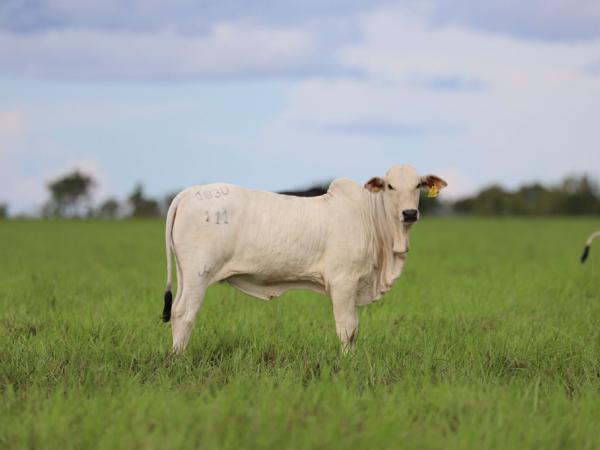
Cattle
Istock
Contrast with downward products
While the closure of the plain road pressed the prices of livestock and associated products, other foods showed a different behavior. The Papa reduced the IPAP in a percentage point as a result of a historical oversupply. Higher sowing and abundant crops generated an excess of product in the market, which led prices at lower levels than at the beginning of the year.
Wheat and rice also exerted downward pressure, with reductions of -3,1 and -2.7 percentage points respectively. The broad availability in the market of these products partially compensated for the increase in cattle, although it failed to neutralize the total impact.
Corn and soybeans, strategic supplies for the production of balanced foods, also recorded declines. This behavior opens space for reductions in animal feed costs, which in the medium term could relieve pressures on meat and milk prices.
However, analysts highlight that the fall of these products failed to compensate for the rise associated with the closure of the road to the plain. The magnitude of its logistics impact and the strong dependence of that road artery for the transport of cattle consolidated the cattle as the product of greatest incidence in the IPAP of September.
See also: Closing of the road to the plain slide affects 10,000 vehicles daily

The exported dairy add 7,162 tons for US $ 25.6 million, with Venezuela and the US as main destinations.
Istock
Perspectives after road closure
The September result confirms a change in trend against price stability observed in 2024. IPAP reflects how a specific logistics event, such as landslides on the road to the Llano, can trigger significant alterations in the agricultural value chain.
The BMC warns that these dynamics will be key to understanding the evolution of the food industry in the coming months. The increase in cattle and raw milk raises immediate challenges for the meat and dairy sectors, which face major costs in their basic supplies.
“The results of September show, on the one hand, products that rise in price and tension the food industry, and on the other, products with abundant offer that relieve the consumer, but that put at risk the sustainability of farmers. These dynamics are crucial to anticipate how strategic sectors such as meat and dairy products will move, and to understand their impact on the consumer price index (IP) Suárez pointed out.
The closure of the road to the plain, adding to adverse climatic conditions, demonstrates the vulnerability of the agricultural sector against external shocks. The possibility that meat and milk prices are under the end of 2025 will depend on the speed with which mobility is restored and of climatic stability in the producing regions.
The analysts agree that the behavior of the IPAP in the last quarter of the year will allow to establish whether the bullish trend is consolidated or if it was a conjunctural shock. The interaction between the increase in livestock, the fall of inputs such as corn and soybeans, and the potato oversupply will be decisive for the evolution of agricultural prices and food CPI.
Paula Galeano Balaguera
Portfolio journalist