Climbing in tensions, President Donald Trump intensified his military offensive in the Caribbean by declaring a “non -international armed conflict” against drug cartels, which has unleashed complaints about a possible invasion of Venezuela, a country that Washington accuses of having links with these illegal organizations.
The White House said that the drug trafficking cartels operate in the Caribbean must be considered “illegal combatants”, thus legitimizing the recent military operations that left at least 17 dead after attacks on vessels alluded to drug trafficking in drug trafficking.
At least two of these vessels departed from Venezuelan ports, which has deepened the confrontation between Washington and Caracas.
According to the filtered and accessed notice, Trump has officialized that the actions of these groups “constitute an armed attack against the United States.”
Therefore, this statement enables the use of extraordinary powers of war situations, consolidating the legality of US offensives in the area.
https://www.youtube.com/watch?v=AEBBLZXMTC4
Military muscle in the Caribbean
The United States has deployed a significant military contingent in the Caribbean, including at least one quick attack submarine, eight warships and more than 4,500 soldiers.
In addition, F-35B furtive fighters moved to Puerto Rico, a maneuver that the Venezuelan government has described as direct provocation and threat.
The Trump administration accuses President Nicolás Maduro of leading the so -called “poster of the soles”, a allegedly terrorist and drug trafficker network indicated by Washington as responsible for illegal traffic in the region, but that some US agencies, such as DEA, cannot certify its existence.
From Caracas they categorically reject these accusations and denounce that the United States uses the fight against drug trafficking as an excuse to try to overthrow the Bolivarian government and control Venezuelan oil reserves, certified as the most bulky in the world.
Venezuela under siege
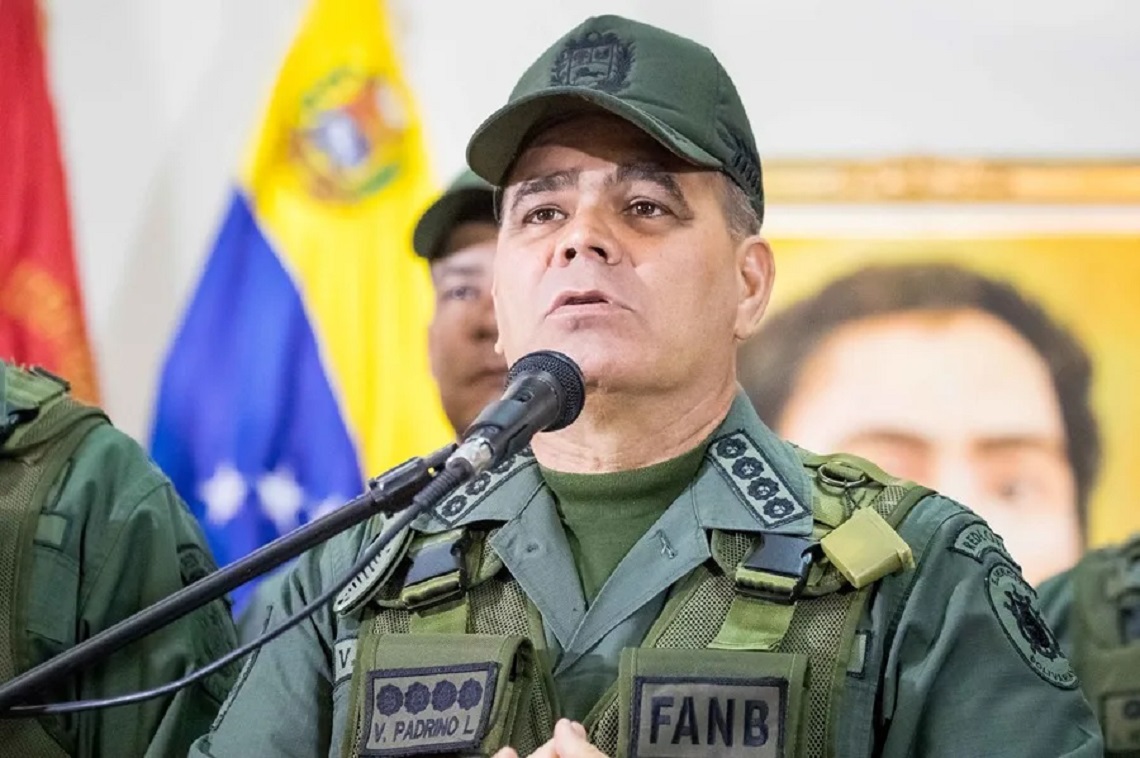
The Venezuelan Defense Minister, General Vladimir Padrino, reported that the country’s air defense system detected US military aircraft flights near its coast.
Given this situation, he denounced that Washington “has dared to approach” and described his presence of “harassment” and “provocation.”
Godfather stressed that Venezuelan forces are prepared to defend national sovereignty and ordered military operations and militia mobilization in response to US deployment.
The Venezuelan government also carried out military exercises with ships, helicopters and amphibious vehicles, in addition to drills to protect strategic infrastructure and train the Bolivarian militia, a body that integrates millions of armed civilians.
Maduro also announced a decree to establish a state of external shock that would grant exceptional powers in this context of conflict.
https://www.youtube.com/watch?v=7qoehdjwr-a
Political debate in the United States
Facing the United States, military escalation has generated controversies. Legislators of both parties express concern about the lack of explicit authorization of Congress for this war action, which has been qualified by some as a “secret war” undertaken by the White House without democratic supervision.
Democrats press so that Trump formally request war powers, what the government has not yet done.
Legal uncertainty surrounds the designation of terrorist organizations that constitute the objective of this conflict, a point that baffles many legislators. Some senators warn the implications of a legal framework that could expand the scope of an American covert war.
The international community observes the escalation in the Caribbean, where the Venezuelan humanitarian and political crisis is added. The actions of the United States, perceived in Caracas as an attempt to invasion, have tensioned diplomatic relations and fueled the risk of a direct military confrontation.