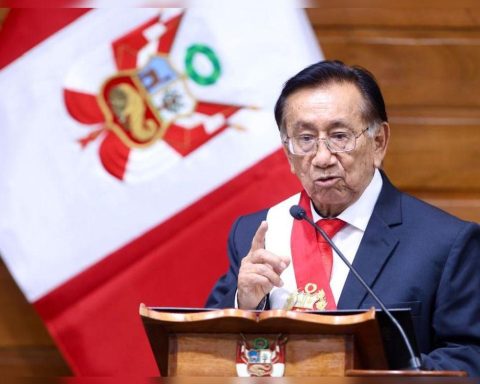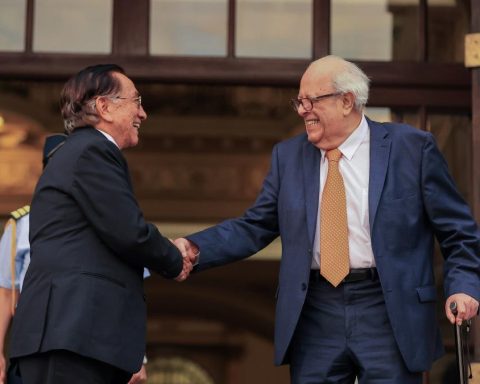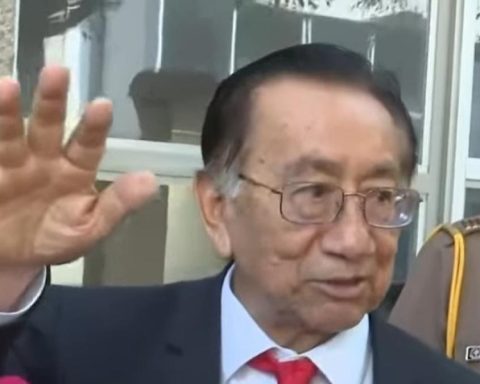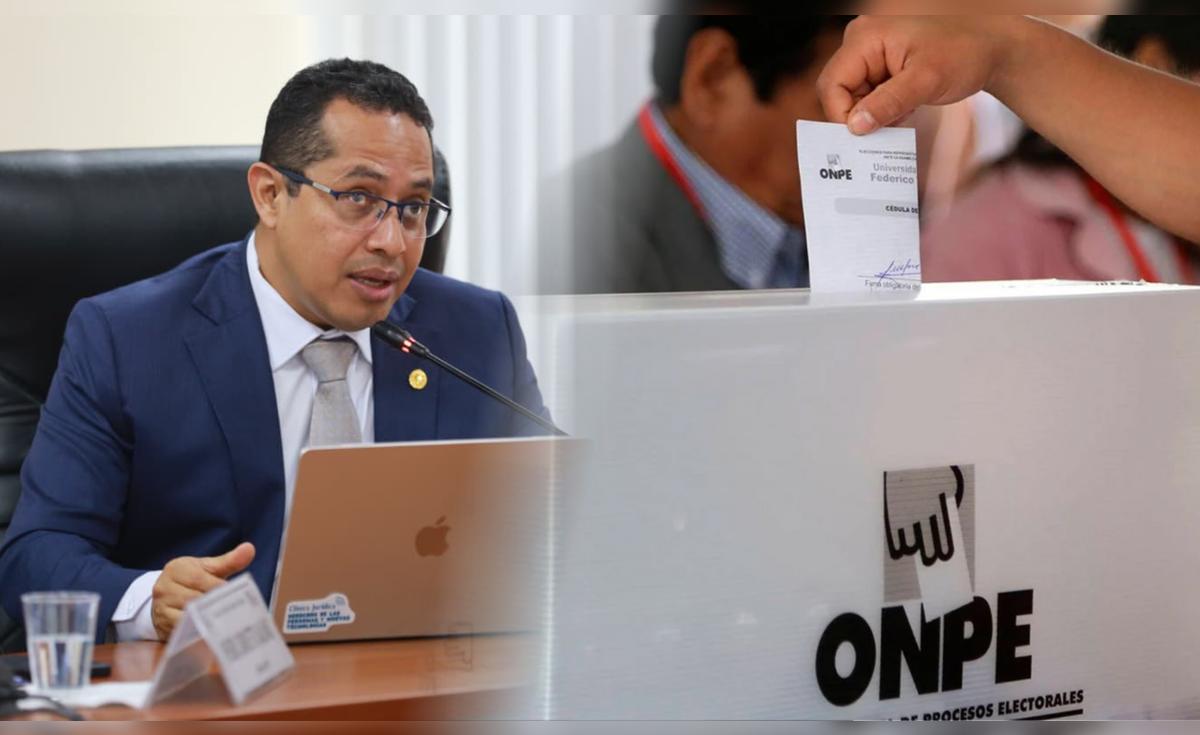
The president of National Election Jury (JNE), Roberto Burneowarned that the 2026 general elections are at “risk” if an additional budget of S/ 372 million is not approved. During your presentation at the CongressHe pointed out that the assigned funds do not cover the minimum needs to guarantee the organization of the elections and the legitimacy of their results.
Listen to the newsText turned into audio
Artificial intelligence
As detailed by Burneo, the budget approved so far is S/ 390.5 million, a amount that is not enough to cover the magnitude of the next elections. In 2026, the country will face a multiple electoral process: general, regional, municipal and in populated centers. This scenario requires greater logistics deployment, training of personnel and safe technological systems.
We recommend you
Santiváñez left and the mayor’s messes | No script with Rosa María Palacios
“390 million that does not cover anything of the processes next year. The normal development of the electoral processes is at risk. It is in danger if it is not understood that the demand we have requested on day of the following year has been approved,” he said.
The budget gap is distributed in different areas: S/ 29.3 million for operation of the JneS/ 156.9 million for general elections, S/ 184.6 million for regional and municipal elections, and S/ 1.5 million for elections in populated centers. Burneo warned that without these resources the hiring of supervisors, the implementation of audits and the use of cyberinteligence would be limited.
The head of the JNE remarked that it is not an extraordinary request, but an operational need to preserve the legitimacy of the results. “Without this budget, the transparency of the process and citizen confidence will be affected,” he said. In addition, he requested that Congress attend the application since the beginning of 2026 so as not to compromise the preparation of the electoral schedule.
These are the candidates for the presidency of Peru for the next elections 2026
After closing the deadline to register alliances before the JNE, an electoral map with proper names begins to delineate. At least five alliances are already under evaluation and, if they are completed, they would add up to 37 political organizations participating in the general elections. Many of the presidential applicants have not yet been officially ratified, because their parties will decide through internal primary elections.
Within the alliances already registered or in formation, names such as Roberto Chiabra (National Unit), Fiorella Molinelli (Battle Peru), Guillermo Bermejo and Vicente Alanoca (expires), Alfonso López Chau (now nation), among others, are outlined. Each block will attempt to legitimize its candidacies through internal mechanisms supervised by electoral organizations.
The panorama is characterized by the fragmentation of the vote: with so many games and figures at stake, none is probable to exceed 50 % in the first round. This would encourage post-electoral fuses or mergers and hinder governance. In addition, the multiplicity of candidates can cause many organizations to be left for not reaching the threshold of 5 % to remain registered.