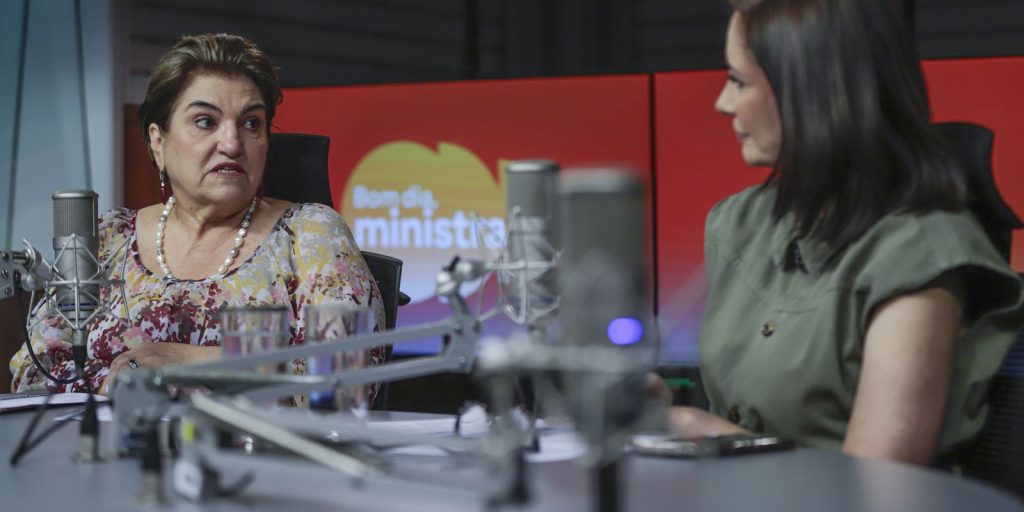
Prosecutor Héctor Barros said that they must advance in the investigation and strengthen “a little more” the evidence to be able to formalize an extradition request of the people involved in the kidnapping and subsequent murder of the ex -military
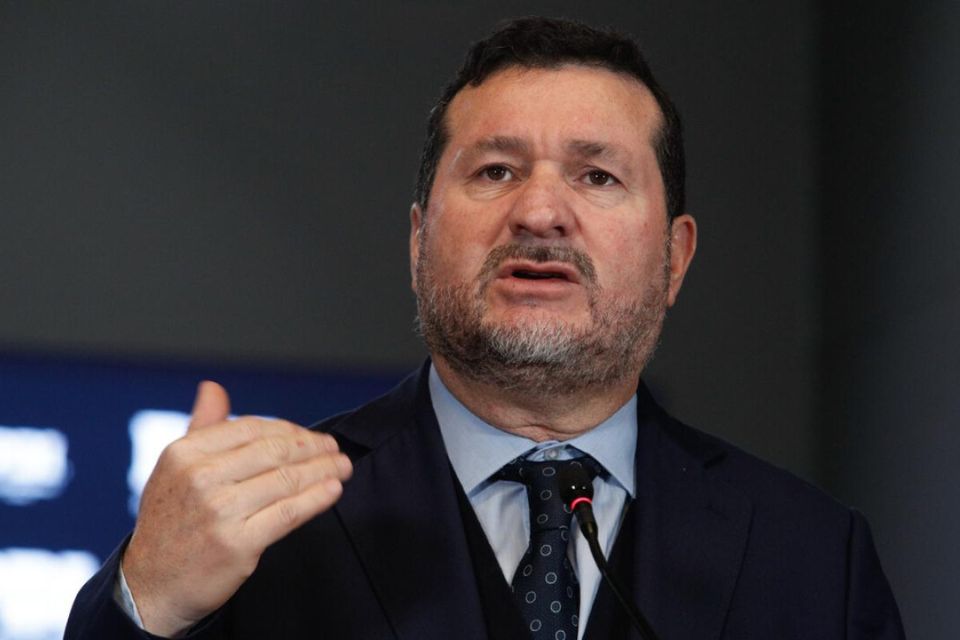
Chilean prosecutor Héctor Barros said that there are “clear background that point to Diosdado Cabello” as responsible for the crime of exhaustion Ronald Ojeda, which occurred in Chile in February 2024.
During one Interview on Channel 24The official said he has no doubt that it is a political crime and assured that they are advancing in the investigation.
«In this particular case, a history of the investigation itself has emerged that will realize that this would have been a political commission of the government and particularly that who would have paid and in charge of this crime to the Aragua train point to Diosdado Cabello. These are a history that has been incorporated into the investigative folder ».
He pointed out that they must advance in the investigation and strengthen “a little more” the evidence to be able to formalize an extradition application of the people involved in this case, including the Venezuelan official, although he recalled that the Venezuelan Constitution does not contemplate the figure of extradition.
«We have to be clear that extradition does not exist in the Constitution of Venezuela. The subjects who are in Venezuela are not extraditable to any country, ”he said.
*Also read: US extradited five alleged members of the Aragua train
Lieutenant Ronald Ojeda was arrested by Venezuelan authorities in April 2017 along with three other military, but managed to escape.
A year later, the Maduro administration published a decree in which he degraded and expelled without trial to 24 officers, including Ojeda himself.
Until now, several members of the band of Aragua have been arrested in Chile, Colombia, Costa Rica and the United States, involved in the murder of the ex -military, but they are still unknown who the intellectual authors were and how much it was paid for a crime that has caused a frontal confrontation between the governments of Chile and Venezuela.
*Journalism in Venezuela is exercised in a hostile environment for the press with dozens of legal instruments arranged for the punishment of the word, especially the laws “against hatred”, “against fascism” and “against blockade.” This content was written taking into consideration the threats and limits that, consequently, have been imposed on the dissemination of information from within the country.
Post views: 70