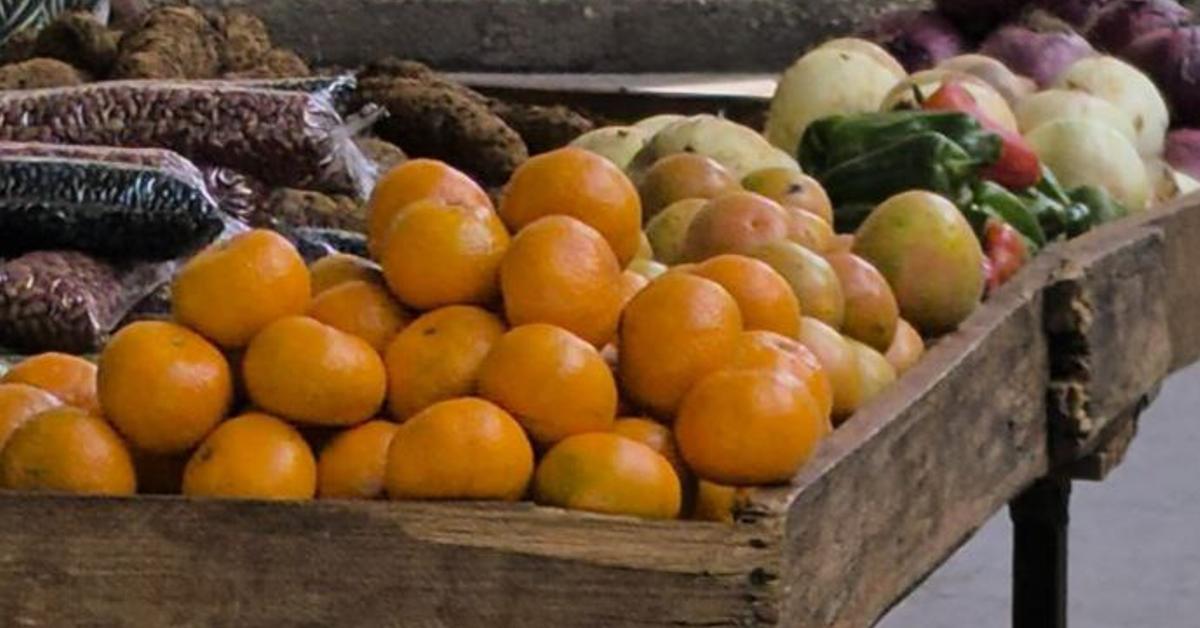
Havana/First were the garlic of the United States, then the beans of Mexico arrived and the mandarins and oranges of Peru have already landed in Cuba. This Thursday, a road a few meters from the Central Park of Havana offered its lustrous merchandise with the novel seal that indicates the origin and the company in charge of its trade. For 1,300 pesos La Libra, practically half of a monthly pension, the client could take that piece of lost flavor a long time ago in many Cuban houses.
“I think he had been seeing a tangerine for more than five years,” said sweetness an old woman who approached the sales post. When the seller detailed the prices of imported products, which also included California onion, the woman’s face became a grimace. A young man, with appearance of having more economic solvency, also approached the post and ended up buying two pounds of tangerines. “I don’t miss this, I don’t remember when it was the last time I saw them,” he justified the operation.
/ 14ymedio
The minced fall in national agricultural production and the high prices of foods that leave the Cuban fields, next to a presentation, often, cleaner and more careful of foreign merchandise, have pushed diners to prefer imported fruits and legumes. The citrus, which once were one of the lines that the official propaganda drove hard, are among the most beaten in recent decades by pests, hurricanes, the loss of international markets and state inefficiency.
“I don’t know if you eat it or have it,” the young man joked with his newly bought mandarin bag. “My mother tells me that when she was a child this season she always had that smell in her hands because she was consumed a lot, that’s why I bought them, to surprise her.” Of the Murcott variety, often called mandarin Gold, the fruits that are sold these days in the Cuban capital are highly appreciated for its juicy pulp, its sweet and intense taste, its reddish orange skin and easy to peel and for having few seeds.
Marketed by the Inkagold company, it is unlikely that, at the time of their collection, the agricultural workers who started them from the branches imagined that those mandarins would end in Cuban homes. The image of the island is associated not only to the sun, beaches and sticky music, but also to citrus, such as The lemon which is used in the mojito or the oranges that are enjoyed at the seashore. But that tourist postal idyllic is far from a reality where mandarins do to everyone in front of a truck rally, emit sounds of amazement and salivate with profusion.